

As a supplier of Large Turbine Housings, I've witnessed firsthand the critical role that manufacturing tolerances play in the performance of these vital components. In this blog post, I'll delve into the effects of large turbine housing manufacturing tolerances on performance, exploring both the positive and negative impacts and offering insights into how to manage these tolerances effectively.
Understanding Manufacturing Tolerances
Manufacturing tolerances refer to the allowable variation in the dimensions of a part from its specified design. In the context of large turbine housings, these tolerances can have a significant impact on the performance of the turbine. For example, a housing with a larger-than-specified internal diameter may allow for increased airflow, potentially improving the turbine's efficiency. However, if the tolerance is too large, it can also lead to issues such as reduced structural integrity and increased vibration.
Effects on Aerodynamic Performance
One of the most significant effects of large turbine housing manufacturing tolerances is on the aerodynamic performance of the turbine. The shape and dimensions of the housing play a crucial role in guiding the airflow through the turbine, and any deviation from the design specifications can disrupt this flow. For instance, a housing with a non-uniform internal surface due to large tolerances can cause turbulence, which in turn can reduce the efficiency of the turbine and increase its noise levels.
Moreover, large tolerances in the housing's inlet and outlet dimensions can affect the matching between the turbine and other components in the system, such as the compressor. This mismatch can lead to suboptimal performance, as the turbine may not be able to operate at its designed efficiency point. As a result, the overall power output of the turbine may be reduced, and the fuel consumption may increase.
Impact on Structural Integrity
Another important aspect to consider is the impact of manufacturing tolerances on the structural integrity of the large turbine housing. Turbine housings are subjected to high temperatures, pressures, and mechanical stresses during operation, and any deviation from the design specifications can compromise their ability to withstand these conditions. For example, a housing with a wall thickness that is thinner than the specified tolerance may be more prone to cracking or deformation, which can lead to catastrophic failure of the turbine.
In addition, large tolerances in the alignment of the housing's mounting holes or flanges can cause misalignment issues when the housing is installed in the turbine system. This misalignment can result in uneven loading on the housing, which can further weaken its structure and increase the risk of failure.
Influence on Vibration and Noise
Vibration and noise are common issues in turbine systems, and large manufacturing tolerances can exacerbate these problems. As mentioned earlier, non-uniformities in the housing's internal surface can cause turbulence, which can lead to increased vibration levels. These vibrations can not only affect the performance of the turbine but also cause damage to other components in the system over time.
Furthermore, large tolerances in the housing's shape and dimensions can also affect the acoustic properties of the turbine. For example, a housing with a larger-than-specified volume may resonate at certain frequencies, producing unwanted noise. This noise can be a nuisance to operators and nearby residents, and it can also indicate potential performance issues within the turbine.
Managing Manufacturing Tolerances
To mitigate the negative effects of large turbine housing manufacturing tolerances, it is essential to implement a robust quality control system. This system should include strict inspection procedures at every stage of the manufacturing process, from raw material inspection to final product testing. By ensuring that all parts meet the specified design tolerances, we can minimize the risk of performance issues and improve the reliability of the turbine.
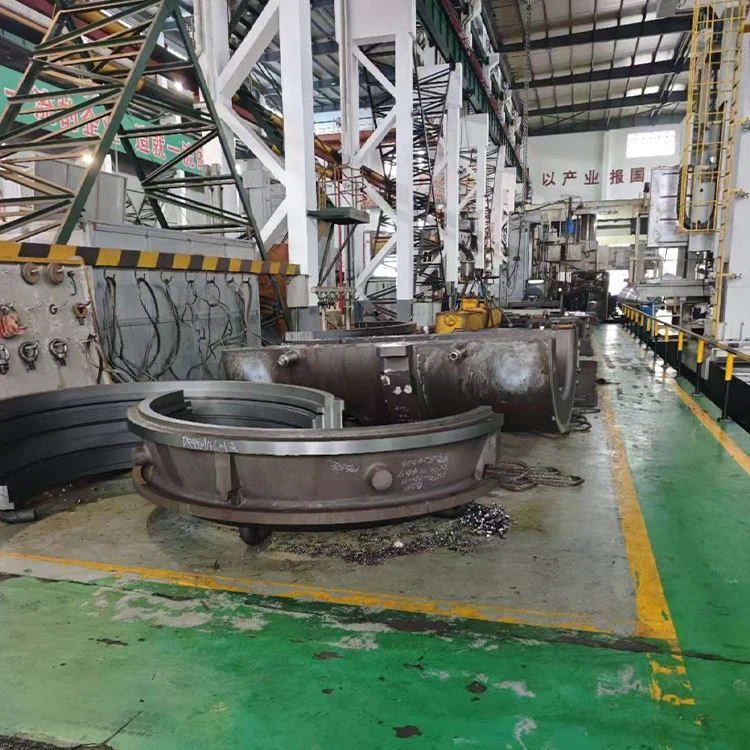
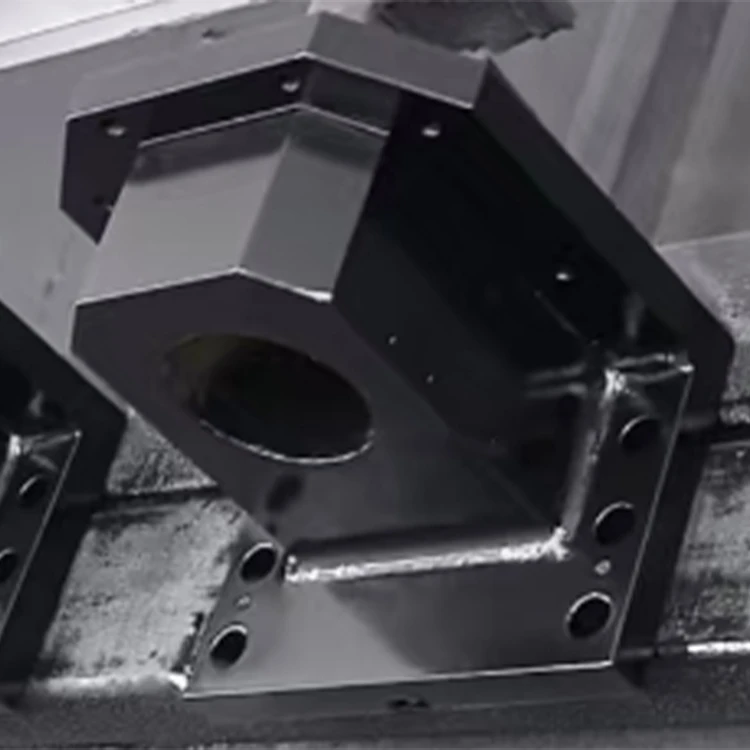
In addition, advanced manufacturing technologies such as computer numerical control (CNC) machining and 3D printing can help to achieve tighter tolerances and improve the overall quality of the turbine housings. These technologies allow for greater precision and control over the manufacturing process, reducing the likelihood of dimensional variations.
Conclusion
In conclusion, large turbine housing manufacturing tolerances can have a significant impact on the performance, structural integrity, vibration, and noise levels of the turbine. As a supplier of Large Turbine Housings, we understand the importance of managing these tolerances effectively to ensure the optimal performance of our products. By implementing strict quality control measures and leveraging advanced manufacturing technologies, we can provide our customers with high-quality turbine housings that meet their specific requirements.
If you're in the market for large turbine housings or other related components such as Cylinder Support and Large Steel Casting Shell Cast Steel Joint, we invite you to contact us to discuss your needs and explore how our products can benefit your operations. We look forward to working with you to provide the best solutions for your turbine applications.
References
- Smith, J. D. (2018). Turbine Design and Performance. Elsevier.
- Jones, R. M. (2019). Manufacturing Tolerances and Their Impact on Product Performance. Taylor & Francis.
- Brown, S. L. (2020). Quality Control in Turbine Manufacturing. Wiley.


