



Stainless Steel Parts
The company has long carried out R&D cooperation and technical exchanges on mechanical processing-related topics with major colleges and universities, providing a strong technical capacity reserve and human resources guarantee for the development of the company.It provides one-stop technical services such as welding, precision machining, and surface spraying for medium and large parts, high-precision parts, and functional structural components of medium and high-end equipment.The supporting testing equipment includes three-coordinate, altimeter, hardness tester, coating thickness gauge, etc.
Why Choose Us
Professional Talent
The company attaches great importance to the improvement of technical capabilities and the introduction and training of talents. At present, there are more than 500 employees, and more than 90% of them have college degrees or above.
Production Capacity
We are committed to precision machining,with experienced process planning and mastery of programming and manufacturing standards for precision components. We can provide customers with comprehensive technical support services and solutions. We have a stable long-term cooperative relationship with suppliers.
Our Service
Demark adheres to the business philosophy of quality, innovation and service, strict manufacturing process, reliable performance quality, and mature manufacturing process technology.
My Factory
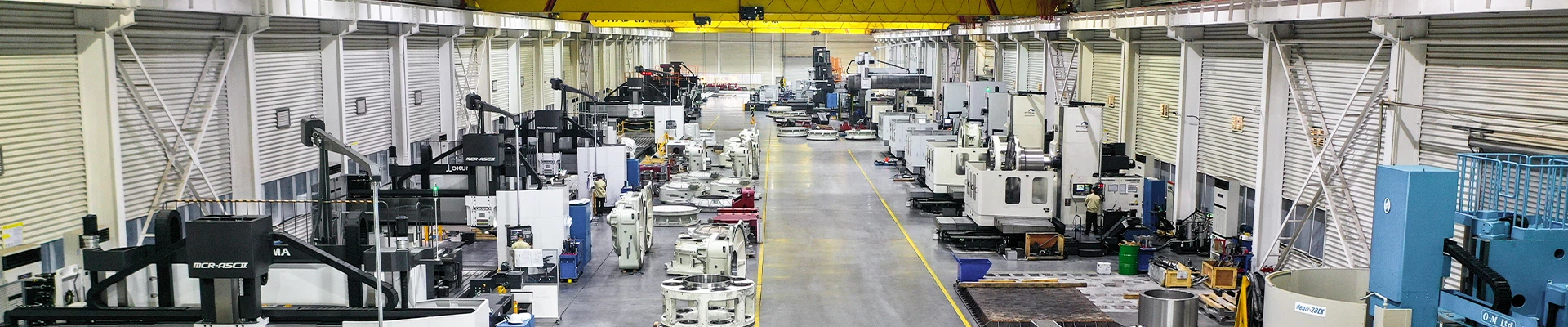
Demark (Zhejiang) Precision Technology Co., Ltd. is a high-tech enterprise that provides customers with professional high-precision machining services.


Advantages of Stainless Steel Parts
Enhanced Durability
Superior industry-leading durability, i.e., it is strong and retains its shape. It is highly resistant to structural damage and impact.
Resistant to Corrosion
It is incredibly resistant to corrosion and widely suitable for various environments and applications.
Preserved Resale Value Over Time
It holds highly substantial resale value, making it a reasonably safe investment. Its aesthetic appeal is primarily responsible for this, i.e., its attractive appearance.
Equipment Stays Clean for Longer Periods
It retains its even and smooth surface efficiently, especially if maintained properly. This minimizes the opportunity for dirt, dust, or oil capture.
Ease of Fabrication
Modern steel-manufacturing technology/techniques allow stainless steel to be machined, cut, fabricated, and formed almost as readily as conventional steels.
Hygienic Surface
Cleaning and maintaining the surface is relatively easy. This is why it is used in strict hygiene environments such as kitchens, hospitals, abattoirs, etc. This implies that any food in direct contact with such surfaces will not attract germs or dirt.
Reasonable surface treatment of metal parts can improve the durability, corrosion resistance, heat resistance, electrical conductivity and appearance decoration of the material.
- Mirror polishing
- Wire drawing
- Galvanizing
- Anodizing
- Black oxide coating
- Chrome plating
- Electroplating
- Powder coating
- Sandblasting
- Laser engraving
- Printing

Grade Of Stainless Steel Parts
Austenitic steels such as 304 surgical stainless cannot be hardened by heat treatment.
Ferritic steels such as 430 contain iron and are less ductile than austenitic steel and cannot be treated by heat.
Martensitic steels such as 410 are low carbon and may be tempered and hardened but are brittle.
Industries that Use Stainless Steel Parts
Aerospace
From aircraft frames to engine components, stainless steel plays a crucial role in aerospace engineering, providing strength, corrosion resistance, and heat tolerance that is essential for airplanes and rockets.
Automotive
Stainless steel finds extensive use in the automotive industry for manufacturing exhaust systems, structural components, and trim elements, thanks to its corrosion resistance and durability.
Construction
In the construction sector, stainless steel’s strength, durability, and aesthetic appeal make it a preferred choice for modern architectural features, structural supports, and interior finishes, contributing to both functionality and design.
Food
Stainless steel’s hygienic properties and resistance to corrosion make it essential in food processing, catering, and kitchen equipment, ensuring food is processed safely and sanitation standards are maintained.
Medical
From surgical instruments to medical implants, stainless steel’s sterile and corrosion resistant properties make it vital in the medical industry for safe and effective healthcare practices.
Process Of Stainless Steel Parts
Melting The Raw Materials
In a furnace, typically an electric one, stainless steel components heat to their melting point, a process that usually takes 8 to 12 hours.
Removal Of Excess Carbon
People place the molten material in the VOD or AOD system to remove any excess carbon present in stainless steel.
Tuning
The next step is to fine-tune the quality of the final product. For this, the manufacturers need to stir, helping to distribute and remove the specific components from the mixture.
Forming The Metal
The semi-finished steel shapes now undergo a series of forming operations.
Heat Treatment
The heat treatment is the following procedure. It get heated during annealing. Then it’s cooled down in a controlled environment.
Descaling
On the surface, many scales form. It occurs as a result of the heat treatment process. People can use descaling to remove these scales.
Cutting And Shaping
People cut and shape it to manufacture the ideal product for the application. The specific operations used to cut the stainless steel will vary depending on the size and the shape of the bloom and the final product.
Finishing
The might apply different surface finishes according to the requirements of the final product.
Benefits of Customization Stainless Steel Parts
Precision Fit
Custom parts are tailored to specific measurements, ensuring a perfect fit and optimal performance.
Unique Aesthetics
Customization allows for unique designs, enhancing the aesthetic appeal of the final product.
Cost-Efficiency
While custom parts might seem expensive initially, they offer long-term cost savings by reducing the need for replacements and ensuring optimal performance.
Company Certificate


