



Forged Parts
The company has long carried out R&D cooperation and technical exchanges on mechanical processing-related topics with major colleges and universities, providing a strong technical capacity reserve and human resources guarantee for the development of the company.It provides one-stop technical services such as welding, precision machining, and surface spraying for medium and large parts, high-precision parts, and functional structural components of medium and high-end equipment.The supporting testing equipment includes three-coordinate, altimeter, hardness tester, coating thickness gauge, etc.
Why Choose Us
Professional Talent
The company attaches great importance to the improvement of technical capabilities and the introduction and training of talents. At present, there are more than 500 employees, and more than 90% of them have college degrees or above.
Production Capacity
We are committed to precision machining,with experienced process planning and mastery of programming and manufacturing standards for precision components. We can provide customers with comprehensive technical support services and solutions. We have a stable long-term cooperative relationship with suppliers.
Our Service
Demark adheres to the business philosophy of quality, innovation and service, strict manufacturing process, reliable performance quality, and mature manufacturing process technology.
My Factory
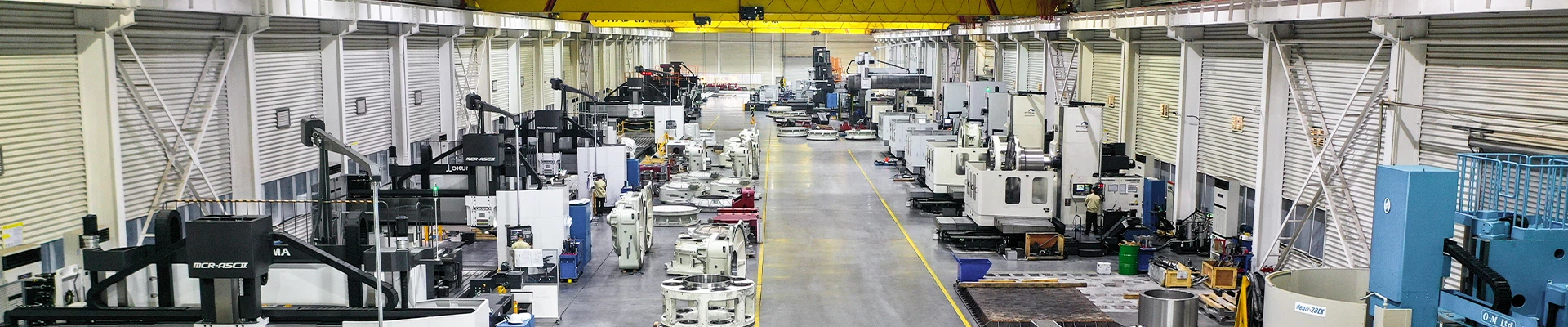
Demark (Zhejiang) Precision Technology Co., Ltd. is a high-tech enterprise that provides customers with professional high-precision machining services.


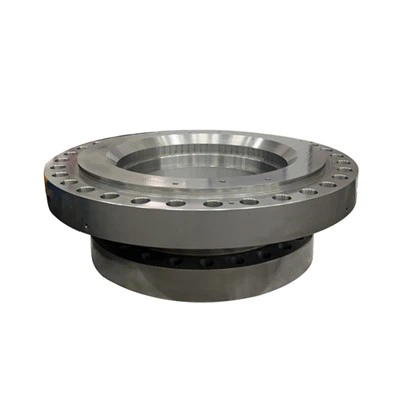
Advantages Of Forged Parts
Unparalleled Strength And Durability
Forged parts excel in strength and durability due to the forging process. Under pressure and shaping, metal’s molecular structure transforms, yielding robust components that withstand stress and loads.
Enhanced Structural Integrity
The parts post-forging have enhanced structural integrity from meticulous forging. Controlled shaping eliminates internal irregularities, yielding uniform microstructure.
Optimized Grain Flow
Forged parts achieve exceptional durability by optimizing grain flow during forging. For example, aerospace turbine blades have aligned grain structures for improved fatigue resistance.
Better Fatigue Resistance
In engineering, fatigue resistance drives component choice. Forged parts shine here, enduring cyclic loading due to forging’s internal consistency, aligned grain flow, and structural integrity.
Details of Forged Parts
|
Material |
MS, SS, Mild Steel, Stainless Steel |
|
Usage/Application |
Industrial, Automobile, Engineering |
|
Shape |
Customized, Multiple |
|
Color |
Iron Steel |
|
Size |
Customized, Multiple, as per Drawing, Model |
|
Packaging Type |
As per requirement and availability |
|
Diameter |
Customized, Multiple, as per Drawing, Model |
|
Weight |
Customized |
|
Thickness |
Customized |
|
Process |
Hot Forging |
|
Forging |
Hot Forging |
Blocks & Rectangles
Forged steel blocks are considered a raw supply product, even though they are extensively worked and refined to improve the properties of the metal. Forged blocks and rectangles provide greater strength over standard plate or bar steel are valued for the enhancements they lend parts for performance in high-pressure environments, applications in which corrosion resistance is important.
Flats
Forged flats provide superior mechanical qualities over standard plate or rolled bar products. The flats can also be easily forged with a minimum thickness of 2.5" and in sizes up to 24" wide and 144" long.
Rounds, Discs & Sleeves
Individually forged rounds and discs with a 3 to 1 minimum reduction can greatly improve the properties of your part, thereby reducing the risk of any voids or imperfections.
Hubs, Spindles & Stepshafts
With our advanced in-house machine shop we can create fully customized forged hubs, spindles, and stepshafts to your exact specifications in a variety of materials. Hubs, spindles, and stepshafts provide greater strength and fatigue resistance with continuous grain flow.


Custom Forged Crankshafts
Forged crankshafts provide strength and reliability that far surpass any cast or turned bar stock, making forged crankshafts the standard for any use that demands strength, consistency, or quality.
Steel Shafts
Our stainless steel lead times are the best in the industry, often 2 times faster than our larger competitors. The quality of steel shafts that we create are of far higher quality than shafts machined from bar stock.
Stainless Steel Blocks
We offer quench-and-temper heat treating, milling & machining, ultrasonic testing, and mechanical testing to create the best finished stainless steel blocks on the market.
Stainless Steel Fluid Ends
A forged fluid end provides increased strength and reliability over otherwise identical fluid ends produced from bar stock or by other means. Our forged fluid ends set the standard for strength, consistency, and quality.
How Do Produce Highly Efficient Forged Parts
Expertise in Forging Operations
Our skilled team possesses extensive knowledge in identifying the optimal forging techniques required for various parts.
Precision Forging Techniques
Employing a blend of physical force and heat, we subject billets or metal ingots to rigorous shaping processes while maintaining the metal's solid-state integrity.
Tailored Solutions for Every Need
Recognizing the unique requirements of our clients, diverse range of forging options, including rolled ring forging, open die forging, and closed die forging. Whether steel, brass, aluminum, or bronze, we utilize the most suitable materials to meet your specific forging needs.
Common Applications Of Forged Parts
Automotive
Forged parts find their place in critical automotive components such as crankshafts, connecting rods, and axle beams, where strength and durability are paramount.
Aerospace
Aerospace engineering relies on forged parts for components like landing gear, turbine disks, and structural elements that must endure extreme conditions.
Oil and Gas
In the oil and gas sector, forged parts are used in valves, flanges, and drilling equipment, where reliability under high pressure and temperature is crucial.
Power Generation
Turbine blades, generator shafts, and other power generation components benefit from forged parts’ inherent strength and precision.
Heavy Machinery
Construction equipment, mining machinery, and industrial gearboxes rely on forged parts for their robustness and longevity.
Company Certificate


