

As a supplier of Large Turbine Housings, I've witnessed firsthand the significance of these components in various industrial applications. However, one aspect that often gets overlooked is the impact of the noise generated by large turbine housings on the working environment. In this blog post, I'll delve into the effects of this noise and why it's crucial for businesses to address it.
Understanding the Noise from Large Turbine Housings
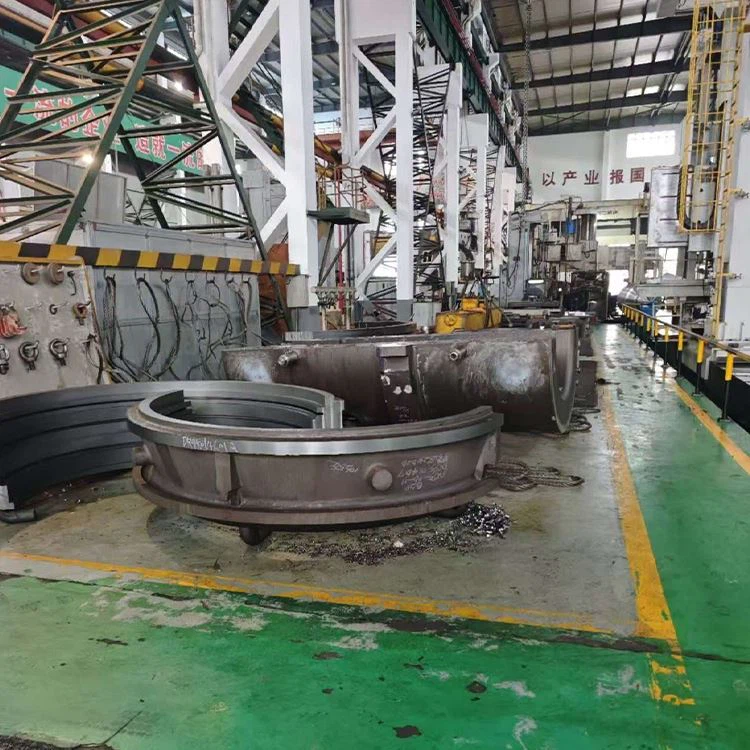
Large turbine housings are integral parts of many industrial processes, powering generators, compressors, and other machinery. These housings are designed to withstand high pressures and temperatures, but they also produce a significant amount of noise during operation. The noise is primarily caused by the rotation of the turbine blades, the flow of high - velocity fluids, and the vibration of the housing itself.
The noise levels from large turbine housings can vary depending on several factors, such as the size of the turbine, its operating speed, and the type of fluid being processed. In some cases, the noise can reach levels that are not only annoying but also pose a serious threat to the health and safety of workers.
Physical Effects on Workers
Exposure to high levels of noise from large turbine housings can have several physical effects on workers. One of the most immediate and obvious effects is hearing loss. Prolonged exposure to noise levels above 85 decibels (dB) can cause permanent damage to the inner ear, leading to hearing impairment. According to the World Health Organization, noise - induced hearing loss is one of the most common occupational diseases worldwide.
In addition to hearing loss, high - level noise can also cause other physical problems. It can increase stress levels, leading to elevated blood pressure, heart rate, and muscle tension. These physiological changes can, over time, contribute to the development of cardiovascular diseases. Noise can also disrupt sleep patterns, especially for workers who are exposed to noise during their work shifts and then have difficulty relaxing at home. This lack of proper sleep can further exacerbate health problems and reduce overall productivity.
Psychological and Cognitive Effects
The noise from large turbine housings can also have a profound impact on the psychological and cognitive well - being of workers. Constant exposure to loud noise can cause irritability, anxiety, and depression. Workers may find it difficult to concentrate on their tasks, leading to increased errors and a higher risk of accidents.
Cognitive functions such as memory, learning, and decision - making can also be impaired by noise. In a noisy environment, workers may have trouble processing information and making accurate judgments. This can be particularly dangerous in industries where precision and quick decision - making are crucial, such as power generation and manufacturing.
Impact on Communication
Effective communication is essential in any workplace, but it becomes even more critical in an industrial setting where workers need to coordinate their actions to ensure safety and efficiency. The noise from large turbine housings can make it extremely difficult for workers to communicate with each other.
Verbal communication can be severely hampered, as workers may have to shout to be heard over the noise. This not only strains the vocal cords but also increases the risk of miscommunication. Non - verbal communication, such as body language and facial expressions, may also be difficult to interpret in a noisy environment. As a result, important instructions may be missed, and safety procedures may not be followed correctly.
Effects on Productivity
The negative physical, psychological, and communication - related effects of turbine housing noise all contribute to a decrease in productivity. Workers who are struggling with hearing problems, stress, or difficulty concentrating are less likely to perform their tasks efficiently. They may take more breaks, make more mistakes, and require more supervision.
In addition, the need to implement noise - control measures, such as providing workers with hearing protection or installing sound - absorbing materials, can also add to the operational costs of a business. These costs, combined with the potential loss of productivity, can have a significant impact on the bottom line.
Addressing the Noise Issue
As a supplier of Large Turbine Housings, I understand the importance of addressing the noise issue. There are several ways to reduce the noise generated by large turbine housings.
One approach is to design the turbine housings more efficiently. By using advanced engineering techniques, we can optimize the shape and structure of the housing to reduce vibration and noise. For example, using Large Steel Casting Shell Cast Steel Joint with better damping properties can help absorb some of the vibration and reduce noise transmission.
Another option is to install noise - control equipment, such as silencers and sound - absorbing panels. These devices can be placed around the turbine housing to reduce the amount of noise that escapes into the working environment. Additionally, providing workers with proper hearing protection, such as earplugs and earmuffs, is essential to minimize the risk of hearing loss.
The Role of Maintenance
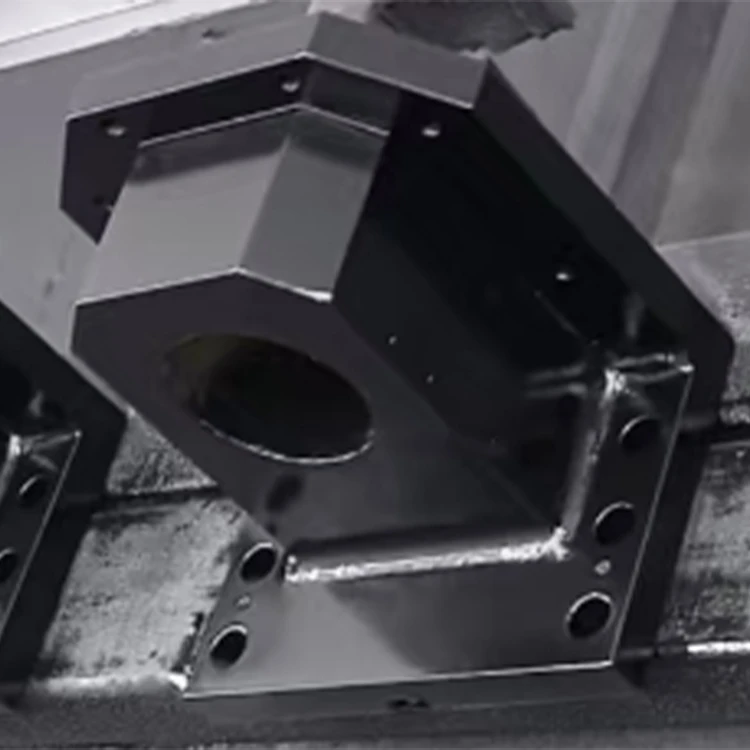
Regular maintenance of large turbine housings is also crucial in reducing noise. Over time, wear and tear can cause the turbine components to become misaligned or damaged, which can increase noise levels. By conducting routine inspections and maintenance, we can identify and fix any issues before they become major problems. For example, ensuring that the Cylinder Support is in good condition can help maintain the stability of the turbine and reduce vibration - related noise.
Conclusion
The noise generated by large turbine housings has far - reaching effects on the working environment. It can cause physical and psychological harm to workers, disrupt communication, and reduce productivity. As a supplier of large turbine housings, I am committed to working with our customers to address this issue. By implementing effective noise - control measures, such as better design, installation of noise - control equipment, and regular maintenance, we can create a safer and more productive working environment.
If you are in the market for high - quality large turbine housings and are concerned about noise issues, I encourage you to reach out to us. We have the expertise and experience to provide you with solutions that not only meet your performance requirements but also help you create a more comfortable and safe working environment. Contact us today to start a discussion about your specific needs and how we can assist you.
References
- World Health Organization. (2018). Occupational noise - induced hearing loss.
- National Institute for Occupational Safety and Health (NIOSH). (2019). Criteria for a recommended standard: Occupational noise exposure.
- American Industrial Hygiene Association (AIHA). (2020). Noise control in the workplace.


