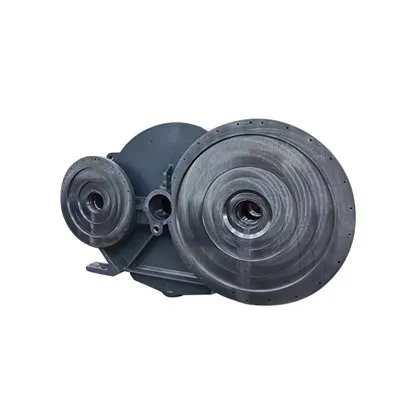
Hey there! As a compressor rotor supplier, I often get asked about the maintenance intervals for compressor rotors. It's a crucial topic because proper maintenance ensures the longevity and efficiency of these vital components. In this blog, I'll break down everything you need to know about when and how to maintain your compressor rotors.
First off, let's understand what a compressor rotor is and why it's so important. A compressor rotor is a key part of a compressor, which is used in various industries like manufacturing, HVAC, and automotive. It's responsible for compressing air or gas, and its smooth operation is essential for the overall performance of the compressor. If the rotor isn't maintained properly, it can lead to decreased efficiency, increased energy consumption, and even complete breakdowns.
So, what are the factors that determine the maintenance intervals for a compressor rotor? Well, there are several things to consider.
Operating Conditions
One of the biggest factors is the operating conditions. If the compressor is used in a dirty or dusty environment, the rotor will accumulate debris more quickly, which can cause wear and tear. For example, in a construction site where there's a lot of dust in the air, the rotor might need more frequent cleaning and inspection. On the other hand, if the compressor is used in a clean, controlled environment like a laboratory, the maintenance intervals can be longer.
Usage Frequency
How often the compressor is used also plays a role. A compressor that runs 24/7 will put more stress on the rotor compared to one that's only used occasionally. If your compressor is in constant use, you'll need to check the rotor more often to make sure it's in good condition.
Manufacturer Recommendations
The manufacturer of the compressor usually provides guidelines on maintenance intervals. These recommendations are based on extensive testing and are a good starting point. However, you might need to adjust them based on your specific operating conditions.


Now, let's talk about the typical maintenance intervals.
Daily Checks
It's a good idea to do some basic checks every day. This includes looking for any signs of leaks, unusual noises, or vibrations. You can also check the oil level if your compressor uses oil for lubrication. A quick visual inspection can catch any obvious problems early on.
Weekly Checks
On a weekly basis, you can perform a more detailed inspection. Check the alignment of the rotor to make sure it's running straight. Misalignment can cause uneven wear on the rotor and other components. You can also clean the air intake filters to prevent dust and debris from entering the compressor.
Monthly Checks
Once a month, it's time to dig a little deeper. Check the rotor for any signs of wear, such as scoring or pitting on the surface. You can also measure the clearances between the rotor and other parts of the compressor. If the clearances are too large or too small, it can affect the performance of the compressor.
Quarterly Checks
Every three months, you should perform a more comprehensive maintenance. This might include disassembling the compressor to inspect the rotor more closely. You can also clean or replace any worn-out parts. It's also a good time to check the balance of the rotor. An unbalanced rotor can cause excessive vibrations, which can damage the compressor and other equipment.
Annual Checks
Once a year, it's a good idea to have a professional technician perform a thorough inspection and maintenance of the compressor rotor. They have the tools and expertise to detect any potential problems that might not be obvious to the untrained eye. They can also perform more advanced tests, such as measuring the rotor's dynamic balance.
In addition to these regular maintenance intervals, there are some other things you can do to keep your compressor rotor in good shape.
Use High-Quality Parts
Using high-quality parts is essential. For example, if you need to replace any components of the rotor, make sure you use parts that are specifically designed for your compressor. You can find some great options for ductile iron parts like the Ductile Iron Parts Rotating Stage, Ductile Iron Parts Gear Box, and Ductile Iron Parts Workbench. These parts are made to high standards and can help improve the performance and longevity of your compressor rotor.
Train Your Staff
If you have employees who operate the compressor, make sure they're properly trained. They should know how to perform basic maintenance tasks and how to recognize the signs of a problem. This can help prevent small issues from turning into big ones.
Keep Records
Keeping records of all maintenance activities is important. This can help you track the history of the compressor rotor and identify any patterns or trends. It can also be useful for warranty claims and for demonstrating compliance with safety regulations.
In conclusion, maintaining your compressor rotor is essential for its performance and longevity. By following the recommended maintenance intervals and taking good care of your rotor, you can avoid costly breakdowns and keep your compressor running smoothly.
If you're in the market for a high-quality compressor rotor or need more information about maintenance, don't hesitate to reach out. We're here to help you find the best solutions for your needs. Whether you're a small business or a large industrial operation, we have the expertise and products to meet your requirements. Contact us today to start a conversation about your compressor rotor needs.
References
- Compressor Manufacturer's Manuals
- Industry Standards and Guidelines for Compressor Maintenance