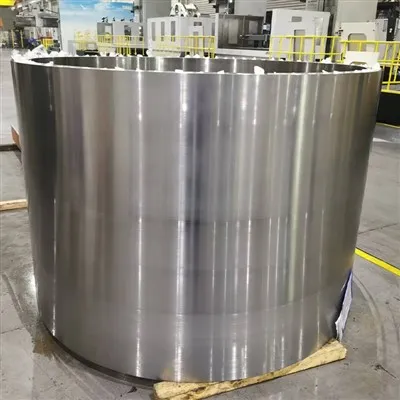
As a seasoned supplier of grey cast iron parts, I've witnessed firsthand the critical role that pouring speed plays in the manufacturing process. Grey cast iron, known for its excellent castability, damping capacity, and wear resistance, is widely used in various industries, including automotive, machinery, and construction. However, achieving the desired quality and performance of grey cast iron parts requires careful control of the pouring process, with pouring speed being a key factor. In this blog post, I'll delve into the effects of pouring speed on grey cast iron parts, drawing on my years of experience and industry knowledge.
1. Microstructure and Mechanical Properties
The pouring speed significantly influences the microstructure of grey cast iron parts, which in turn affects their mechanical properties. When the pouring speed is too slow, the molten iron has more time to cool and solidify, leading to a coarser graphite structure. Coarse graphite flakes are less effective in absorbing and distributing stress, resulting in lower tensile strength, ductility, and impact resistance. On the other hand, a high pouring speed can cause the molten iron to solidify rapidly, promoting the formation of a finer graphite structure. Fine graphite flakes enhance the mechanical properties of the cast iron, making it stronger and more ductile.
For example, in the production of Y502.11.7-1A Connecting Sleeve, a slow pouring speed may result in a coarser graphite structure, reducing the sleeve's ability to withstand high stress and fatigue. This can lead to premature failure of the part, causing costly downtime and repairs. By carefully controlling the pouring speed, we can ensure that the connecting sleeve has a fine graphite structure, providing excellent mechanical properties and long service life.
2. Porosity and Shrinkage
Porosity and shrinkage are common defects in grey cast iron parts that can significantly affect their quality and performance. Pouring speed plays a crucial role in minimizing these defects. When the pouring speed is too slow, the molten iron may not fill the mold cavity completely, leading to the formation of voids and porosity. Additionally, slow pouring can cause the molten iron to cool unevenly, resulting in shrinkage cavities and cracks.
Conversely, a high pouring speed can help to fill the mold cavity quickly and uniformly, reducing the likelihood of porosity and shrinkage. However, if the pouring speed is too high, it can cause turbulence and splashing in the molten iron, entraining air and creating porosity. Therefore, it's essential to find the optimal pouring speed that balances the need for complete filling of the mold cavity with the prevention of turbulence and air entrainment.
In the production of Turntable Base, proper control of the pouring speed is crucial to ensure a defect-free casting. A slow pouring speed may result in porosity and shrinkage in the base, compromising its structural integrity and stability. By adjusting the pouring speed to the appropriate level, we can produce a turntable base with minimal porosity and shrinkage, meeting the high-quality standards required for this critical component.
3. Surface Finish
The pouring speed also affects the surface finish of grey cast iron parts. A slow pouring speed can cause the molten iron to solidify slowly, resulting in a rough and uneven surface finish. This is because the slow cooling allows impurities and gas bubbles to rise to the surface, creating a porous and irregular surface. In contrast, a high pouring speed can promote rapid solidification, producing a smoother and more uniform surface finish.


However, it's important to note that a very high pouring speed can also cause problems, such as mold erosion and surface defects. Therefore, it's necessary to optimize the pouring speed to achieve the desired surface finish while maintaining the integrity of the mold and the quality of the casting.
For instance, in the production of Cutting Chamber, a smooth surface finish is essential to ensure efficient cutting and reduce wear on the cutting tools. By carefully controlling the pouring speed, we can produce a cutting chamber with a high-quality surface finish, improving its performance and longevity.
4. Production Efficiency
In addition to its impact on the quality of grey cast iron parts, pouring speed also affects production efficiency. A slow pouring speed can significantly increase the production cycle time, as it takes longer to fill the mold cavity and allow the molten iron to solidify. This can lead to lower productivity and higher production costs.
On the other hand, a high pouring speed can reduce the production cycle time, increasing productivity and lowering costs. However, it's important to ensure that the high pouring speed does not compromise the quality of the parts. By finding the optimal pouring speed, we can achieve a balance between production efficiency and part quality, maximizing the profitability of our manufacturing operations.
Conclusion
In conclusion, pouring speed is a critical factor that significantly affects the quality, performance, and production efficiency of grey cast iron parts. By carefully controlling the pouring speed, we can optimize the microstructure, minimize porosity and shrinkage, improve the surface finish, and increase production efficiency. As a supplier of grey cast iron parts, we understand the importance of pouring speed and have extensive experience in controlling this parameter to produce high-quality parts that meet the diverse needs of our customers.
If you're in the market for high-quality grey cast iron parts, we invite you to contact us to discuss your specific requirements. Our team of experts is ready to provide you with personalized solutions and excellent customer service. Let's work together to achieve your goals and ensure the success of your projects.
References
- Campbell, J. (2003). Castings. Butterworth-Heinemann.
- Kalpakjian, S., & Schmid, S. R. (2014). Manufacturing Engineering and Technology. Pearson.
- Totten, G. E., & MacKenzie, D. E. (2003). Handbook of Aluminum: Physical Metallurgy and Processes. CRC Press.