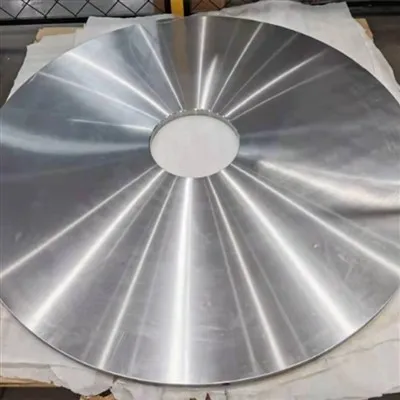
Selecting the right mounting base plates for heavy-duty equipment is no walk in the park. As a supplier of mounting base plates, I've seen firsthand the importance of making the correct choice. In this blog, I'll share some tips on how to select the perfect mounting base plates for your heavy-duty equipment.
Understanding Your Equipment's Requirements
First things first, you need to understand the specific requirements of your heavy-duty equipment. This includes the weight, size, and operating conditions of the equipment. The weight of the equipment is a crucial factor as it determines the load-bearing capacity the mounting base plate needs to have. A base plate that can't handle the weight of the equipment will lead to premature wear and tear, and in the worst-case scenario, equipment failure.
For example, if you're dealing with large industrial machinery that weighs several tons, you'll need a robust and sturdy base plate. On the other hand, if it's a smaller piece of equipment, you might be able to get away with a lighter base plate.
The size of the equipment also matters. The base plate should be large enough to provide a stable foundation for the equipment. It should cover the entire footprint of the equipment or at least a significant portion of it to distribute the weight evenly.
Operating conditions play a vital role too. If the equipment will be operating in a harsh environment, such as a corrosive or high-temperature setting, you'll need a base plate that can withstand these conditions. For instance, in a chemical plant where there are corrosive chemicals in the air, a Stainless Steel Parts Pipeline made base plate would be a great choice as stainless steel is highly resistant to corrosion.
Material Selection
The material of the mounting base plate is a key consideration. There are several materials available, each with its own set of properties and advantages.
- Steel: Steel is a popular choice for mounting base plates due to its high strength and durability. It can handle heavy loads and is relatively inexpensive compared to some other materials. Carbon steel is commonly used, but if you need better corrosion resistance, you can opt for stainless steel. Stainless Steel Parts I-beam can be used to construct base plates that are both strong and resistant to rust and corrosion.
- Aluminum: Aluminum is lightweight and has good corrosion resistance. It's a great option if weight is a concern, such as in applications where the equipment needs to be mobile. However, it's not as strong as steel, so it may not be suitable for extremely heavy-duty applications.
- Concrete: Concrete base plates are often used for very large and heavy equipment. They provide a stable and solid foundation. However, they are heavy and difficult to install or relocate.
Design and Configuration
The design and configuration of the mounting base plate can also impact its performance. Here are some aspects to consider:
- Shape: The shape of the base plate should match the shape of the equipment's footprint. Common shapes include rectangular, square, and circular. A well-matched shape ensures that the weight is distributed evenly across the base plate.
- Holes and Slots: The base plate may need to have holes or slots for bolts, anchors, or other fasteners. These holes should be properly sized and positioned to ensure a secure connection between the equipment and the base plate.
- Ribs and Reinforcements: Adding ribs or reinforcements to the base plate can increase its strength and stiffness. This is especially useful for large or heavy equipment that puts a lot of stress on the base plate. For example, a base plate with a Stainless Steel Parts Valve Body incorporated into its design might have additional reinforcements to handle the specific loads associated with the valve.
Installation and Maintenance
Proper installation of the mounting base plate is crucial for its performance. Here are some installation tips:
- Leveling: The base plate should be installed on a level surface. Any unevenness can cause the equipment to tilt, leading to uneven wear and potential damage.
- Anchoring: Use the appropriate anchors to secure the base plate to the floor or foundation. This ensures that the base plate doesn't move or shift during operation.
Maintenance is also important to ensure the longevity of the base plate. Regular inspections should be carried out to check for any signs of wear, corrosion, or damage. If any issues are found, they should be addressed promptly.
Cost Considerations
Cost is always a factor when selecting mounting base plates. You need to balance the cost with the quality and performance of the base plate. While it might be tempting to go for the cheapest option, it could end up costing you more in the long run if the base plate fails prematurely.
On the other hand, don't overspend on a base plate that has features you don't actually need. Look for a base plate that meets your requirements at a reasonable price.
Conclusion
Selecting the right mounting base plates for heavy-duty equipment is a multi-faceted process. You need to consider the equipment's requirements, material selection, design and configuration, installation and maintenance, and cost. As a supplier of mounting base plates, I'm here to help you make the best choice for your specific needs. If you're in the market for high-quality mounting base plates, don't hesitate to reach out for a consultation and start the procurement negotiation process. We can work together to find the perfect solution for your heavy-duty equipment.


References
- Machinery's Handbook: A comprehensive guide to mechanical engineering and manufacturing, which provides valuable information on materials, design, and installation of mounting components.
- Industry standards and guidelines for heavy equipment installation, which offer specific requirements and best practices for selecting and using mounting base plates.