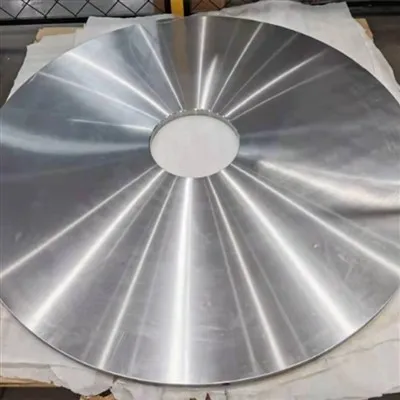
Determining the cost of a support plate involves a multitude of factors that interact in complex ways. As a seasoned support plate supplier, I've witnessed firsthand the wide range of prices that exist in the market, which can vary from a few dollars to several thousand, depending on various determinants. This article will delves into the key factors affecting the cost of support plates and provide insights into this intricate pricing conundrum.
Material Quality and Type
The type of material used to manufacture a support plate is one of the most significant cost - influencing factors. Different materials possess distinct properties such as strength, durability, corrosion resistance, and thermal conductivity, all of which can impact the final price.
Common materials for support plates include aluminum alloys, steel, and stainless steel. Aluminum alloys are lightweight and offer good corrosion resistance, making them suitable for applications where weight is a concern. For instance, Aluminum Alloy Parts Turntable often uses aluminum alloys due to its need for a lightweight yet sturdy structure. The cost of aluminum alloy support plates can vary depending on the specific alloy used. High - strength alloys like 7075 are more expensive than more common ones like 6061 because of the additional processing and alloying elements required.
Steel is a popular choice for support plates when high strength is needed. Carbon steel is relatively inexpensive but may require additional coatings to prevent corrosion. On the other hand, stainless steel offers excellent corrosion resistance, which is crucial in harsh environments. However, the cost of stainless steel is generally higher due to the presence of alloying elements such as chromium and nickel.
Specialty materials such as titanium are also used in some niche applications. Titanium support plates are incredibly lightweight, strong, and corrosion - resistant, but they come with a hefty price tag because of the high cost of raw materials and complex manufacturing processes.
Design Complexity
The complexity of the support plate design directly affects its production cost. A simple, flat plate with basic dimensions and few features will be significantly cheaper to produce compared to a support plate with intricate shapes, holes, threads, or custom cut - outs.
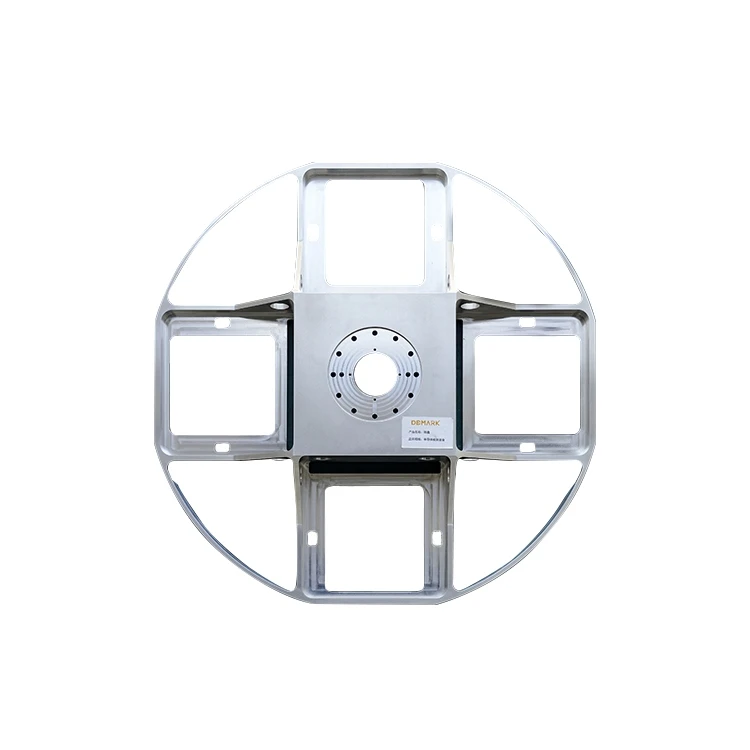
Complex designs often require more advanced manufacturing techniques, such as CNC machining or precision stamping. CNC machining is a highly accurate but time - consuming process that involves using computer - controlled tools to cut and shape the material. The more complex the design, the longer the machining time, and the higher the cost. For example, a support plate with a complex pattern of holes for precise alignment in a Superconducting Inner Ring will demand greater precision and more machining operations, thus increasing the overall cost.
Surface finishes also contribute to design complexity. A smooth, polished finish is more expensive than a rough, as - machined surface. Specialized coatings for additional protection, such as powder coating or anodizing, add extra cost but can enhance the plate's performance and appearance.
Manufacturing Process
The manufacturing process chosen for producing support plates greatly impacts the cost. Di - casting, for example, is suitable for high - volume production of support plates with relatively simple shapes. It involves injecting molten metal into a mold under high pressure. The initial tooling cost for di - casting can be quite high, but the per - unit cost decreases significantly as the production volume increases.
Forging is another manufacturing method that offers high strength and good grain structure. However, it is a more labor - intensive and capital - intensive process compared to di - casting. Forged support plates are typically more expensive, especially for small production runs.
For custom or low - volume production, machining individual plates from solid stock may be the preferred method. While machining provides high precision and flexibility in design, it can be costly because of the labor and machine time involved.
Production Volume
The volume of support plates ordered has a substantial influence on the unit cost. In general, the higher the production volume, the lower the unit cost. This is because many of the fixed costs associated with production, such as tooling, setup, and design, are spread over a larger number of units.

For small orders, the cost per support plate is higher due to the relatively high proportion of fixed costs. As the order quantity increases, the fixed costs are amortized over more items, resulting in significant cost savings per unit. This is an important consideration for customers planning to purchase support plates, as they can often negotiate better prices by increasing the order volume.
Market Conditions
The broader market conditions also play a role in determining the cost of support plates. Fluctuations in raw material prices, such as changes in the price of aluminum, steel, or other metals, can directly impact the cost of manufacturing support plates. Global supply and demand dynamics, geopolitical events, and trade policies can all cause significant price swings in the raw material market.
In addition, competition among support plate suppliers can affect the price. In a highly competitive market, suppliers may offer more competitive prices to attract customers. Conversely, in a market with limited competition, prices may be higher.
Quality and Certification Requirements
Support plates that need to meet specific quality standards or certifications will generally cost more. For example, support plates used in the aerospace or medical industries often require strict quality control and compliance with industry - specific standards. This may involve additional testing, inspection, and documentation, all of which add to the production cost.
Certifications such as ISO 9001 or AS9100 demonstrate a supplier's commitment to quality management. However, obtaining and maintaining these certifications requires significant investment in quality control systems, personnel training, and auditing, which is reflected in the price of the support plates.
Additional Services
Some suppliers may offer additional services that can affect the cost. These services can include packaging, shipping, and after - sales support. Custom packaging to protect the support plates during transit may add to the overall cost, but it can also prevent damage and reduce the risk of returns.
Shipping costs depend on factors such as the weight, size, and destination of the order. Expedited shipping options will naturally be more expensive than standard shipping. After - sales support, such as technical assistance or warranty services, also adds value to the product but can increase the price.
Conclusion
As a support plate supplier, I understand that cost is a critical factor for our customers. By considering all the factors mentioned above, we can work together to find the most cost - effective solution that meets your specific requirements. Whether you need a simple support plate for a basic application or a highly specialized one for a complex project, we have the expertise and resources to provide you with a quality product at a competitive price.
If you are interested in purchasing support plates, I encourage you to contact us for a detailed quote. We can discuss your specific needs, including material selection, design requirements, production volume, and quality standards, to ensure that you get the best value for your investment. Let's start a conversation about how we can meet your support plate needs.
References
- "Materials Science and Engineering: An Introduction" by William D. Callister Jr. and David G. Rethwisch.
- Industry - specific standards and guidelines related to support plate manufacturing.
- Market research reports on raw material prices and supply - demand dynamics.