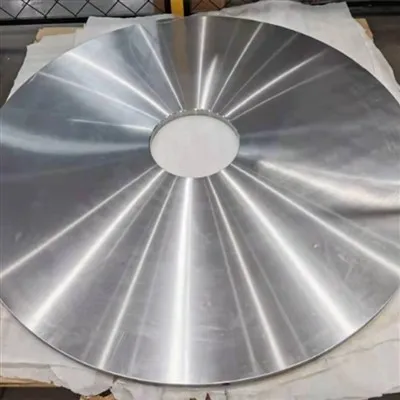
Hey there! I'm a supplier of forged parts, and today I wanna chat about whether there are any specific requirements for storing forged parts. As someone who's been in this business for a while, I've learned a thing or two about keeping these parts in tip - top shape.
First off, let's talk about why proper storage matters. Forged parts are made through a process of shaping metal under extreme pressure, which gives them great strength and durability. But if they're not stored correctly, they can get damaged, corroded, or lose their precision. And that's a big no - no, especially when you're supplying parts for industries like automotive, aerospace, or machinery.
One of the most important factors in storing forged parts is the environment. You gotta keep them in a clean, dry place. Moisture is the enemy here. If the parts are exposed to humidity, they can start to rust. Rust not only makes the parts look bad but can also weaken the metal over time. I once had a batch of Forged Parts Valve Cover that got a bit of rust because of a leaky roof in the storage area. It was a real headache trying to salvage them.
Temperature also plays a role. Extreme heat or cold can cause the metal to expand or contract, which might lead to warping or cracking. For example, if you store Lower Connection Plate in a place where the temperature fluctuates wildly, it can mess up the dimensions of the part. So, it's best to store forged parts in an area with a relatively stable temperature.
Another thing to consider is the way the parts are arranged. You don't want them to be stacked on top of each other haphazardly. Some forged parts are quite heavy, and if you stack them without proper support, it can cause dents or scratches on the parts below. It's a good idea to use racks or pallets to keep the parts organized. This not only protects the parts but also makes it easier to access them when you need to.
Now, let's talk about protection. You should use some kind of protective coating or wrapping on the forged parts. A thin layer of oil can act as a barrier against moisture and prevent rust. There are also special plastic wraps and covers that you can use to protect the parts from dust and scratches. For instance, when storing Upper Connection Plate, I always make sure to wrap them in a plastic film to keep them clean.
Security is also crucial. You don't want your forged parts to go missing or get damaged by unauthorized access. Make sure your storage area has proper locks and security measures in place. If you're storing high - value or specialized forged parts, you might even want to consider having surveillance cameras.
In addition to these general requirements, different types of forged parts might have their own specific storage needs. For example, parts with complex shapes or delicate features might need more careful handling and storage. Some parts might be more prone to corrosion, so they'll need extra protection.


As a supplier, I know that proper storage is not just about keeping the parts in good condition. It's also about maintaining customer satisfaction. When you deliver high - quality forged parts that are in perfect condition, your customers are more likely to come back for more. And that's what it's all about in this business.
If you're in the market for forged parts, whether it's Forged Parts Valve Cover, Lower Connection Plate, or Upper Connection Plate, I'm here to help. I've got the experience and the know - how to ensure that the parts you get are stored and delivered in the best possible condition. So, don't hesitate to reach out for a chat about your procurement needs.
References
- Metalworking Handbook: This handbook provides in - depth information on the properties of forged metals and how to store them properly.
- Industry Best Practices for Forged Part Storage: A collection of guidelines and tips from leading experts in the forged parts industry.