

When dealing with industrial equipment, especially in hazardous environments, safety is of utmost importance. As a supplier of the Cutting Chamber Body, I understand the critical role this component plays in various industrial processes and the potential risks associated with its use. In this blog, I will outline the essential safety precautions that should be taken when using the Cutting Chamber Body in a hazardous environment.
Understanding the Cutting Chamber Body
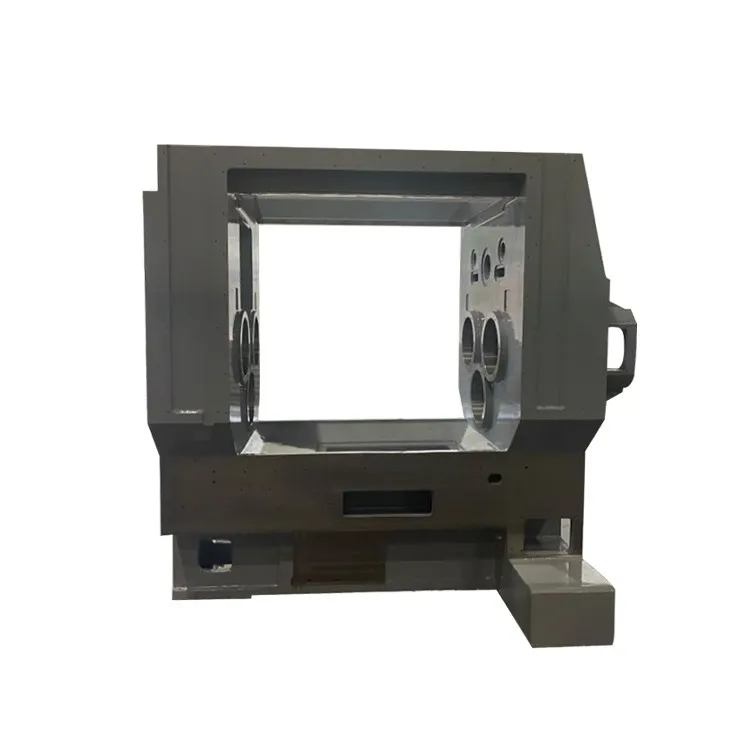
The Cutting Chamber Body is a crucial part of many industrial cutting and processing systems. It is designed to house the cutting mechanism and contain the materials being cut, ensuring efficient and precise operations. Cutting Chamber Body is often made of high - strength materials such as ductile iron, which provides excellent durability and resistance to wear and tear.

Hazardous Environments and Associated Risks
Hazardous environments can vary widely, including areas with high levels of dust, flammable gases, corrosive substances, or extreme temperatures. When using the Cutting Chamber Body in such environments, several risks need to be considered:
- Fire and Explosion: If the environment contains flammable gases or dust, the heat generated during the cutting process can ignite these substances, leading to a fire or explosion.
- Chemical Exposure: In corrosive environments, the Cutting Chamber Body may be exposed to chemicals that can damage its structure and compromise its safety. Workers may also be at risk of chemical exposure if proper precautions are not taken.
- Mechanical Hazards: The moving parts of the cutting mechanism within the chamber can pose a risk of entanglement, crushing, or cutting injuries to workers.
- Dust and Particulate Matter: Cutting operations can generate a significant amount of dust and particulate matter, which can be harmful if inhaled by workers. This can lead to respiratory problems and other health issues.
Safety Precautions
1. Pre - operation Checks
- Inspection of the Cutting Chamber Body: Before starting any operation, thoroughly inspect the Cutting Chamber Body for any signs of damage, such as cracks, leaks, or loose parts. Check the integrity of the seals and gaskets to ensure that they are in good condition and can prevent the escape of hazardous substances.
- Verification of Safety Devices: Ensure that all safety devices, such as emergency stop buttons, safety interlocks, and protective guards, are functioning properly. These devices are designed to prevent accidents and protect workers in case of an emergency.
- Environmental Assessment: Conduct a detailed assessment of the hazardous environment to identify any potential risks. This may include measuring the concentration of flammable gases or dust, checking the temperature and humidity levels, and evaluating the presence of corrosive substances.
2. Personal Protective Equipment (PPE)
- Respiratory Protection: In environments where dust or fumes are generated, workers should wear appropriate respiratory protection, such as respirators or dust masks. The type of respiratory protection required will depend on the nature and concentration of the contaminants in the air.
- Eye and Face Protection: Safety goggles or face shields should be worn to protect the eyes and face from flying debris, sparks, and chemical splashes.
- Hearing Protection: If the cutting process is noisy, workers should wear earplugs or earmuffs to prevent hearing damage.
- Protective Clothing: Workers should wear flame - resistant, chemical - resistant, and cut - resistant clothing to protect their bodies from burns, chemical exposure, and mechanical injuries.
3. Fire and Explosion Prevention
- Ventilation: Ensure that the area where the Cutting Chamber Body is located is well - ventilated to prevent the accumulation of flammable gases and dust. Adequate ventilation can help to reduce the risk of fire and explosion by diluting the concentration of hazardous substances in the air.
- Electrical Safety: Use explosion - proof electrical equipment and wiring in hazardous environments to prevent electrical sparks from igniting flammable substances. Ensure that all electrical connections are properly grounded and insulated.
- Hot Work Permits: In areas where there is a risk of fire or explosion, obtain a hot work permit before starting any cutting operations. This permit ensures that all necessary precautions have been taken to prevent accidents.
4. Chemical Safety
- Chemical Compatibility: Ensure that the Cutting Chamber Body is made of materials that are compatible with the chemicals present in the environment. If necessary, use corrosion - resistant coatings or linings to protect the chamber from chemical damage.
- Storage and Handling of Chemicals: Store chemicals in appropriate containers and in a safe location away from the cutting area. Follow proper procedures for handling and disposing of chemicals to prevent spills and leaks.
5. Mechanical Safety
- Lockout/Tagout Procedures: Implement lockout/tagout procedures to prevent the accidental startup of the cutting equipment during maintenance or repair. This involves isolating the power source and attaching a lock and tag to the equipment to indicate that it is being serviced.
- Training and Supervision: Provide comprehensive training to workers on the safe operation of the Cutting Chamber Body and the associated equipment. Ensure that workers are supervised by qualified personnel to ensure that they follow all safety procedures.
6. Dust and Particulate Control
- Dust Collection Systems: Install dust collection systems near the cutting area to capture and remove dust and particulate matter from the air. These systems can help to reduce the concentration of contaminants in the environment and protect the health of workers.
- Regular Cleaning: Regularly clean the Cutting Chamber Body and the surrounding area to remove accumulated dust and debris. This can help to prevent the buildup of combustible dust and reduce the risk of fire and explosion.
Maintenance and Monitoring
- Regular Maintenance: Establish a regular maintenance schedule for the Cutting Chamber Body to ensure that it remains in good working condition. This may include lubricating moving parts, replacing worn - out components, and inspecting the chamber for signs of wear and tear.
- Monitoring of Environmental Conditions: Continuously monitor the hazardous environment to detect any changes in the concentration of flammable gases, dust, or other contaminants. This can help to identify potential risks and take appropriate measures to prevent accidents.
Importance of Quality Components
Using high - quality components such as the Cutting Chamber Body is essential for ensuring safety in hazardous environments. High - quality components are more reliable, durable, and resistant to damage, which can reduce the risk of accidents and improve the overall performance of the cutting system. For example, Ductile Iron Parts Workbench and Ductile Iron Parts Gear Box made of ductile iron offer excellent strength and corrosion resistance, which are crucial in hazardous industrial settings.
Conclusion
Using the Cutting Chamber Body in a hazardous environment requires careful planning, strict adherence to safety precautions, and regular maintenance. By following the safety measures outlined in this blog, workers can minimize the risks associated with the cutting process and ensure a safe and productive working environment.
If you are in need of a reliable Cutting Chamber Body or other ductile iron parts for your industrial applications, we are here to help. Our products are designed to meet the highest safety and quality standards, ensuring optimal performance in even the most challenging environments. Contact us to discuss your specific requirements and explore how our products can enhance the safety and efficiency of your operations.
References
- Occupational Safety and Health Administration (OSHA). "General Industry Safety and Health Standards."
- American National Standards Institute (ANSI). "Safety Standards for Industrial Equipment."
- International Electrotechnical Commission (IEC). "Standards for Electrical Equipment in Hazardous Areas."


