

A vacuum chamber is a crucial piece of equipment used in various industries, including scientific research, manufacturing, and material testing. As a supplier of [Vacuum Chamber], I've witnessed firsthand the importance of every component within these chambers. One such component that plays a vital role is the vacuum gauge. In this blog, I'll delve into the functions of a vacuum gauge in a chamber and why it's indispensable for the proper operation of vacuum systems.
Understanding the Basics of Vacuum Chambers
Before we explore the role of a vacuum gauge, let's briefly understand what a vacuum chamber is. A [Vacuum Chamber] is an enclosed space from which air and other gases are removed to create a low-pressure environment. This controlled environment is essential for a wide range of applications, such as vacuum drying, vacuum coating, and electron microscopy.
The process of creating a vacuum in a chamber involves using a vacuum pump to remove air molecules. However, achieving and maintaining the desired level of vacuum is not a straightforward task. This is where the vacuum gauge comes into play.
What is a Vacuum Gauge?
A vacuum gauge is an instrument used to measure the pressure within a vacuum chamber. It provides real-time information about the level of vacuum, allowing operators to monitor and control the vacuum process effectively. There are several types of vacuum gauges available, each with its own operating principle and measurement range. Some common types include:
- Pirani Gauges: These gauges measure the thermal conductivity of the gas in the chamber. As the pressure decreases, the thermal conductivity of the gas also decreases, which is detected by the gauge.
- Cold Cathode Gauges: Cold cathode gauges use a high-voltage discharge to ionize the gas in the chamber. The ion current is then measured, which is proportional to the pressure.
- Capacitance Manometers: These gauges measure the pressure by detecting the deflection of a diaphragm due to the pressure difference between the chamber and a reference pressure.
Functions of a Vacuum Gauge in a Chamber
1. Monitoring the Vacuum Level
The primary function of a vacuum gauge is to monitor the pressure within the chamber. By providing accurate and real-time pressure readings, the gauge allows operators to determine whether the desired level of vacuum has been achieved. This is crucial for ensuring the quality and consistency of the processes carried out in the chamber.
For example, in a vacuum coating process, the quality of the coating depends on the level of vacuum. If the pressure is too high, the coating may not adhere properly to the substrate, resulting in a poor-quality coating. On the other hand, if the pressure is too low, the process may become unstable, leading to other issues. By using a vacuum gauge to monitor the pressure, operators can adjust the vacuum pump settings to maintain the optimal pressure for the coating process.
2. Controlling the Vacuum Process
In addition to monitoring the vacuum level, a vacuum gauge also plays a key role in controlling the vacuum process. Based on the pressure readings provided by the gauge, operators can adjust the operation of the vacuum pump to achieve and maintain the desired level of vacuum.
For instance, if the pressure in the chamber is higher than the desired level, the operator can increase the pumping speed of the vacuum pump to remove more air molecules. Conversely, if the pressure is too low, the operator can reduce the pumping speed or introduce a small amount of gas into the chamber to increase the pressure. This precise control of the vacuum process is essential for ensuring the efficiency and effectiveness of the operations carried out in the chamber.
3. Detecting Leaks
Another important function of a vacuum gauge is to detect leaks in the chamber. A leak in the chamber can cause the pressure to increase over time, which can affect the quality of the vacuum and the processes carried out in the chamber. By continuously monitoring the pressure, the vacuum gauge can detect any sudden or gradual increase in pressure, indicating the presence of a leak.
Once a leak is detected, operators can take appropriate measures to identify and repair the leak. This may involve inspecting the seals, connections, and other components of the chamber for any signs of damage or wear. By detecting and fixing leaks promptly, operators can prevent further damage to the chamber and ensure the continued operation of the vacuum system.
4. Ensuring Safety
Maintaining the proper level of vacuum in a chamber is not only important for the quality of the processes but also for safety reasons. A vacuum chamber operates under high pressure differentials, and any sudden change in pressure can pose a safety risk to the operators and the equipment.
The vacuum gauge provides a crucial safety mechanism by allowing operators to monitor the pressure and take appropriate action if the pressure exceeds the safe operating limits. For example, if the pressure in the chamber rises too high, the operator can shut down the vacuum pump and release the pressure slowly to prevent any potential damage or injury.
Importance of Choosing the Right Vacuum Gauge
Selecting the right vacuum gauge for a specific application is essential for ensuring accurate and reliable pressure measurement. The choice of vacuum gauge depends on several factors, including the required measurement range, the type of gas in the chamber, and the operating conditions.
For example, if the chamber operates at a very low pressure, a cold cathode gauge or a capacitance manometer may be more suitable, as they can provide accurate measurements in the low-pressure range. On the other hand, if the chamber operates at a relatively high pressure, a Pirani gauge may be sufficient.
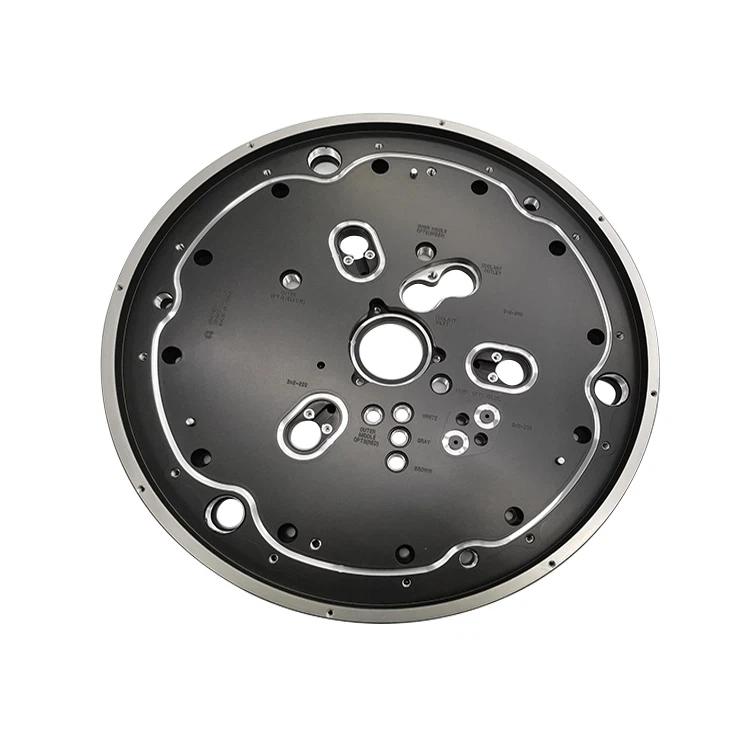

As a [Vacuum Chamber] supplier, I understand the importance of choosing the right vacuum gauge for each application. That's why we offer a wide range of vacuum gauges to meet the diverse needs of our customers. Our experienced team can provide expert advice and guidance on selecting the most appropriate vacuum gauge for your specific requirements.
Related Components in a Vacuum System
In addition to the vacuum gauge, there are several other components in a vacuum system that work together to create and maintain the desired level of vacuum. Two important components are the [Air Extraction Baffle] and the [Aluminum Alloy Parts Vacuum Suction Cup].
The [Air Extraction Baffle] is used to control the flow of gas within the chamber. It helps to prevent the backflow of gas and ensures that the air is efficiently removed from the chamber. This is important for achieving a high level of vacuum and maintaining the stability of the vacuum process.
The [Aluminum Alloy Parts Vacuum Suction Cup] is used to hold and manipulate objects within the chamber. It provides a secure and reliable way to handle parts during the vacuum process, ensuring that they are properly positioned and held in place.
Conclusion
In conclusion, the vacuum gauge is a critical component in a vacuum chamber. It plays a vital role in monitoring the vacuum level, controlling the vacuum process, detecting leaks, and ensuring safety. By providing accurate and real-time pressure readings, the vacuum gauge allows operators to optimize the performance of the vacuum system and ensure the quality and consistency of the processes carried out in the chamber.
As a [Vacuum Chamber] supplier, we are committed to providing high-quality vacuum chambers and related components, including vacuum gauges. Our products are designed to meet the highest standards of quality and performance, and we offer a comprehensive range of services to support our customers.
If you are interested in learning more about our vacuum chambers or need assistance in selecting the right vacuum gauge for your application, please feel free to contact us. We would be happy to discuss your requirements and provide you with a customized solution.
References
- "Vacuum Technology: A Practical Guide" by P. A. Redhead, J. P. Hobson, and E. V. Kornelsen.
- "Handbook of Vacuum Physics" edited by D. O. Hayward and D. T. Sawyer.
- "Vacuum Pumps and Vacuum Pumping Technology" by Peter M. L. Song.


