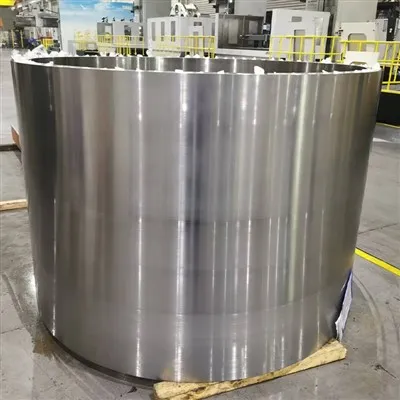
As a well - established supplier of aluminum alloy parts, I am often asked about the chemical composition requirements for these components. Aluminum alloy parts are widely used in various industries, from automotive to aerospace, electronics to machinery. The chemical composition of aluminum alloys plays a crucial role in determining their properties, performance, and suitability for specific applications.
Basic Elements in Aluminum Alloys
The primary element in aluminum alloys, as the name suggests, is aluminum (Al). Pure aluminum is a soft, ductile metal with good corrosion resistance, high thermal and electrical conductivity. However, its mechanical properties are relatively low. To enhance its strength, hardness, and other performance characteristics, other elements are added to form aluminum alloys.
Copper (Cu)
Copper is one of the most common alloying elements in aluminum alloys. Alloys containing copper, such as the 2xxx series (e.g., 2024), are known for their high strength and good fatigue resistance. Copper forms intermetallic compounds with aluminum, which contribute to the strengthening of the alloy through precipitation hardening. However, the addition of copper can reduce the corrosion resistance of the alloy, especially in marine environments. For applications where high strength is required, like in the aerospace industry for aircraft structural parts, copper - containing aluminum alloys are often preferred. For example, the Aluminum Alloy Parts Valve Cover may use a copper - based aluminum alloy if high strength is needed to withstand the pressure and stress inside the engine.
Magnesium (Mg)
Magnesium is another important alloying element. It is used in many aluminum alloys, such as the 5xxx series. Magnesium improves the strength of the alloy while maintaining good corrosion resistance. It also enhances the weldability of aluminum alloys. Alloys with magnesium are often used in marine applications, automotive body panels, and architectural structures. The Aluminum Alloy Parts Vacuum Chamber may benefit from a magnesium - containing aluminum alloy due to its good corrosion resistance and weldability, which are crucial for maintaining the integrity of the vacuum chamber.
Silicon (Si)
Silicon is added to aluminum alloys to improve their fluidity during casting. Alloys with high silicon content, such as the 4xxx series, are commonly used in casting applications. Silicon forms a eutectic with aluminum, which lowers the melting point of the alloy and improves its castability. These alloys are also known for their good wear resistance. For example, in the manufacturing of small engine parts or Small Base Plate and Optical Frame, silicon - rich aluminum alloys can be used because of their ease of casting and wear - resistant properties.
Manganese (Mn)
Manganese is used in aluminum alloys to improve their strength and corrosion resistance. It also helps to control the grain structure of the alloy during solidification. Manganese - containing alloys, such as some in the 3xxx series, are often used in beverage cans, heat exchangers, and architectural applications. The addition of manganese can enhance the workability of the alloy and prevent the formation of large grains, which can weaken the material.
Trace Elements and Their Effects
In addition to the major alloying elements, there are also trace elements that can have significant effects on the properties of aluminum alloys.
Chromium (Cr)
Chromium is often added in small amounts (usually less than 0.3%) to aluminum alloys. It helps to improve the corrosion resistance of the alloy, especially in combination with other elements like magnesium. Chromium also contributes to the stability of the alloy's microstructure, which is important for maintaining its mechanical properties over time.
Zinc (Zn)
Zinc is used in some high - strength aluminum alloys, such as the 7xxx series. When combined with other elements like magnesium and copper, zinc can significantly increase the strength of the alloy through precipitation hardening. These alloys are widely used in the aerospace and automotive industries for parts that require high strength - to - weight ratios.
Titanium (Ti)
Titanium is added in small amounts (usually less than 0.2%) to aluminum alloys to refine the grain structure during solidification. A fine - grained structure improves the mechanical properties of the alloy, such as its strength and ductility. Titanium also helps to improve the weldability of the alloy by reducing the tendency for hot cracking.
Industry - Specific Chemical Composition Requirements
Different industries have specific requirements for the chemical composition of aluminum alloy parts.
Aerospace Industry
In the aerospace industry, the requirements for aluminum alloy parts are extremely strict. High - strength alloys with good fatigue resistance and low density are essential. Alloys from the 2xxx and 7xxx series are commonly used. For example, the 7075 alloy, which contains zinc, magnesium, and copper, is widely used in aircraft structural parts because of its high strength and good corrosion resistance after proper surface treatment. The chemical composition of these alloys is carefully controlled to ensure consistent performance and safety.
Automotive Industry
The automotive industry focuses on a balance between strength, weight, and cost. Aluminum alloy parts are used to reduce the weight of vehicles, which in turn improves fuel efficiency. Alloys from the 5xxx and 6xxx series are commonly used. The 6xxx series, which contains magnesium and silicon, offers a good combination of strength, formability, and corrosion resistance. These alloys are used for automotive body panels, engine components, and suspension parts.
Electronics Industry
In the electronics industry, aluminum alloy parts are used for heat sinks, enclosures, and other components. The requirements here are mainly for good thermal conductivity, corrosion resistance, and formability. Alloys with high silicon content or those with a combination of magnesium and silicon are often used. Good thermal conductivity is crucial for dissipating heat generated by electronic components, while corrosion resistance ensures the long - term reliability of the parts.


Quality Control of Chemical Composition
As a supplier of aluminum alloy parts, we have a strict quality control system in place to ensure that the chemical composition of our products meets the required standards. We use advanced analytical techniques, such as spectroscopy, to accurately measure the chemical composition of the alloys. Samples are taken from each batch of production and analyzed to verify that the content of each element is within the specified range. This not only ensures the quality and performance of our products but also helps us to meet the specific requirements of our customers.
Conclusion
The chemical composition of aluminum alloy parts is a critical factor that determines their properties and suitability for different applications. By carefully selecting and controlling the alloying elements and trace elements, we can produce aluminum alloy parts that meet the diverse needs of various industries. Whether it is the high - strength requirements of the aerospace industry, the balance of properties needed in the automotive industry, or the thermal conductivity requirements in the electronics industry, we are committed to providing high - quality aluminum alloy parts with the right chemical composition.
If you are interested in purchasing aluminum alloy parts for your specific application, please feel free to contact us for more information and to discuss your requirements. We are ready to offer you the best solutions based on our expertise and experience in the field of aluminum alloy part manufacturing.
References
- Davis, J. R. (Ed.). (2001). Aluminum and Aluminum Alloys. ASM International.
- Metals Handbook Committee. (1993). Metals Handbook: Properties and Selection: Nonferrous Alloys and Pure Metals. ASM International.