

What is the cost of a large steel casting box?
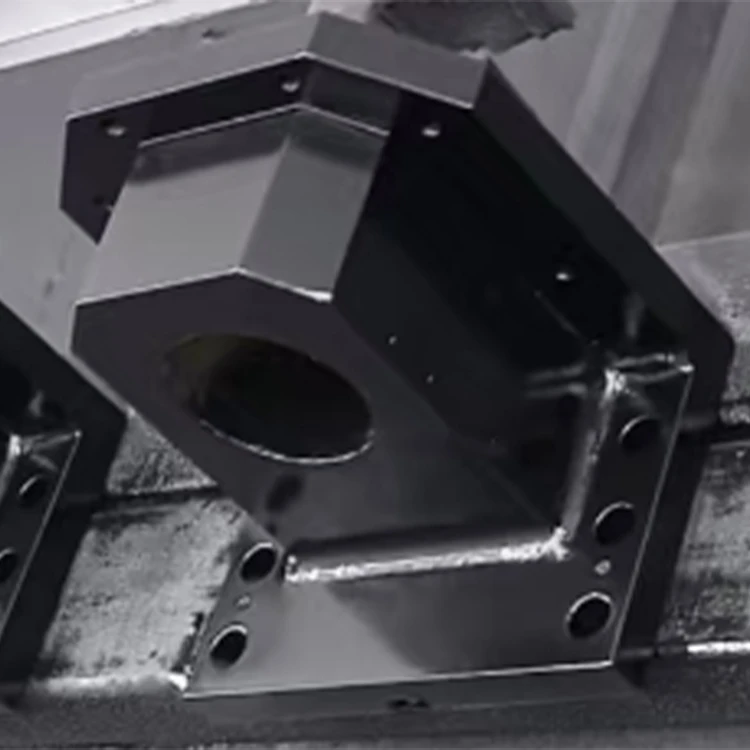
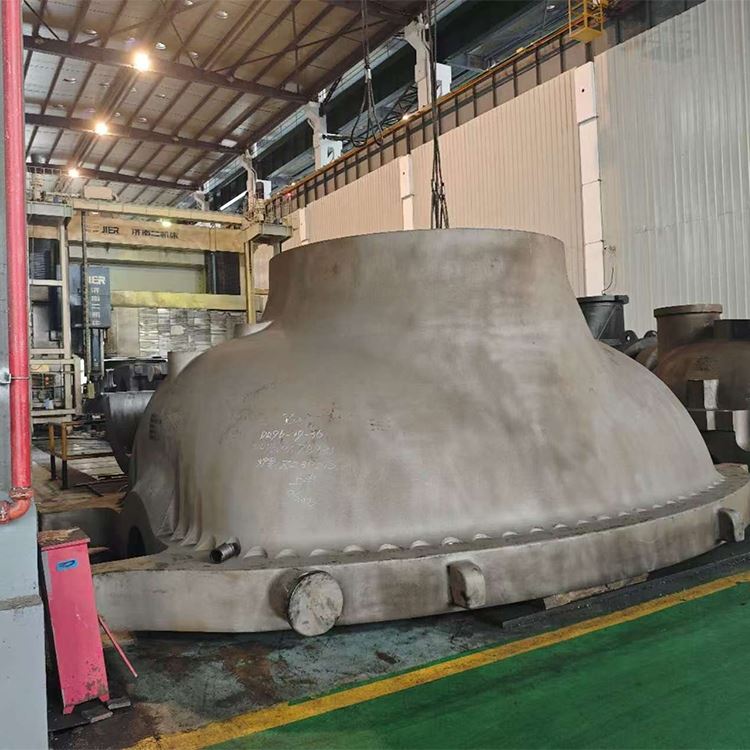
As a supplier of large steel casting boxes, I often encounter inquiries from clients about the cost. Understanding the cost factors of large steel casting boxes is crucial for both manufacturers and buyers. In this blog, I will delve into the various elements that contribute to the cost of a large steel casting box and provide a comprehensive overview.
Material Costs
The primary component of the cost of a large steel casting box is the material. Steel is available in different grades and compositions, each with its own price point. High - quality steel alloys, which offer better strength, corrosion resistance, and heat resistance, are generally more expensive. For example, stainless steel, which contains chromium and nickel, is costlier than carbon steel. The quantity of steel required also plays a significant role. Large steel casting boxes demand a substantial amount of raw material, and fluctuations in the steel market can directly impact the overall cost. When the price of steel goes up due to factors such as increased demand or supply chain disruptions, the cost of manufacturing large steel casting boxes rises accordingly.
Manufacturing Process Costs
The manufacturing process of large steel casting boxes is complex and involves multiple steps, each incurring its own set of costs.
- Pattern Making: Before the actual casting can take place, a pattern of the box needs to be created. This pattern is used to form the mold. Pattern making can be labor - intensive, especially for custom - designed large steel casting boxes. Skilled workers are required to ensure the accuracy of the pattern, and the cost of the materials used for the pattern, such as wood or plastic, also adds to the overall expense.
- Molding: The molding process is critical for the quality of the final casting. There are different molding methods, such as sand molding and investment casting. Sand molding is a more common and cost - effective method for large steel casting boxes. However, it still requires the purchase of high - quality sand, binders, and other molding materials. The labor involved in preparing the mold, including packing the sand around the pattern and creating the necessary cavities, also contributes to the cost.
- Melting and Pouring: Melting the steel to the appropriate temperature requires a significant amount of energy. Furnaces used for melting steel consume large amounts of electricity or fuel, and the cost of energy is a major factor in the manufacturing process. Additionally, the equipment used for melting and pouring, such as ladles and crucibles, needs to be maintained and replaced periodically, adding to the cost.
- Finishing Operations: After the casting is removed from the mold, it undergoes various finishing operations. These include removing the excess material, grinding, machining, and heat treatment. Machining operations, such as milling, turning, and drilling, are used to achieve the required dimensions and surface finish of the large steel casting box. Heat treatment is often necessary to improve the mechanical properties of the steel. Each of these finishing operations requires specialized equipment and skilled labor, which increase the overall cost.
Quality Control Costs
Quality control is an essential part of the manufacturing process for large steel casting boxes. Ensuring that the final product meets the required standards and specifications is crucial. Quality control measures include non - destructive testing, such as ultrasonic testing, magnetic particle testing, and radiographic testing, to detect internal defects in the casting. These testing methods require specialized equipment and trained personnel. In addition, destructive testing may also be carried out in some cases to verify the mechanical properties of the steel. The cost of quality control equipment, testing materials, and the labor involved in conducting these tests all contribute to the overall cost of the large steel casting box.
Design and Engineering Costs
If the large steel casting box is a custom - designed product, significant design and engineering efforts are required. Engineers need to analyze the client's requirements, create detailed 3D models, and perform structural simulations to ensure the box can withstand the intended loads and operating conditions. The time and expertise of the design and engineering team are valuable resources, and their costs are factored into the price of the large steel casting box.
Overhead Costs
Overhead costs are the indirect expenses associated with running a manufacturing business. These include rent for the factory space, utilities, insurance, and administrative costs. A portion of these overhead costs is allocated to each large steel casting box produced. For example, the cost of maintaining the factory building, paying for property taxes, and providing a safe working environment for the employees all contribute to the overall cost of the product.
Market Factors
The market demand and competition also influence the cost of large steel casting boxes. In a highly competitive market, suppliers may offer more competitive prices to attract customers. On the other hand, if the demand for large steel casting boxes is high and the supply is limited, the prices may increase. Additionally, factors such as transportation costs can also affect the final price. Shipping large steel casting boxes can be expensive due to their size and weight, and these costs are often passed on to the customer.
Examples of Related Products
To give you a better understanding of the variety of large steel casting products, here are some related items:
- Large Turbine Housings: These are used in the power generation industry and require high - precision manufacturing.
- Cylinder Support: Cylinder supports are crucial components in machinery and are often made through the casting process.
- Large Steel Casting Shell Cast Steel Joint: These joints are used in various industrial applications and need to have high strength and durability.
Conclusion
In conclusion, the cost of a large steel casting box is determined by a multitude of factors, including material costs, manufacturing process costs, quality control costs, design and engineering costs, overhead costs, and market factors. As a supplier, we strive to optimize these costs while maintaining the highest quality standards. If you are interested in purchasing large steel casting boxes, we encourage you to contact us for a detailed quote. We can work with you to understand your specific requirements and provide a cost - effective solution. Our team of experts is ready to assist you throughout the procurement process, from design to delivery.
References
- "Steel Casting Handbook" by the Steel Founders' Society of America
- "Manufacturing Engineering and Technology" by S. Kalpakjian and S. R. Schmid


