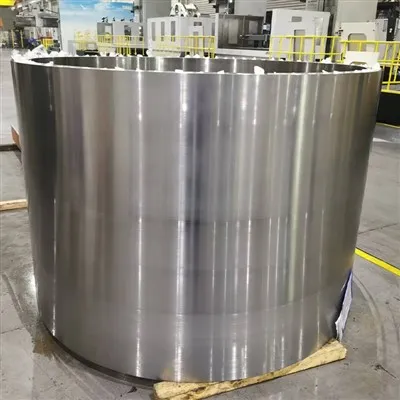
As a supplier of Large Steel Casting Boxes, I've had the privilege of navigating the complex world of transporting these hefty and valuable components. Large steel casting boxes are integral to various industries, from heavy machinery to construction, and ensuring their safe and efficient delivery is crucial. In this blog, I'll delve into the different transportation modes available for these large steel casting boxes, highlighting their pros and cons.
Road Transportation
Road transportation is one of the most common methods for moving large steel casting boxes, especially for shorter distances. Trucks offer a high degree of flexibility, as they can pick up and deliver directly to the desired locations, whether it's a factory, construction site, or warehouse. This door - to - door service eliminates the need for multiple transfers, reducing the risk of damage to the casting boxes.
One of the significant advantages of road transport is its relatively quick turnaround time. For local or regional deliveries, trucks can reach their destinations within a matter of hours or a few days at most. This is particularly beneficial when the customer has a tight production schedule and needs the casting boxes promptly.

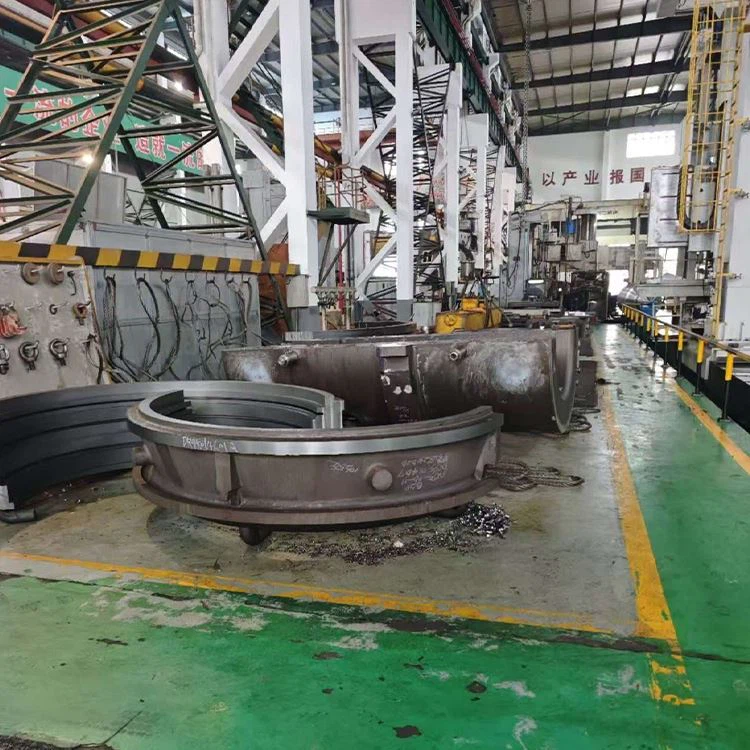
However, road transportation also has its limitations. The size and weight of large steel casting boxes can be restricted by road regulations. In many areas, there are strict limits on the dimensions and weight of loads that trucks can carry. Oversized or overweight loads may require special permits, which can be time - consuming and expensive to obtain. Additionally, long - distance road transport can be costly, especially when considering fuel expenses and driver labor costs.
If you're interested in our Large Steel Casting Box products, you can find more details on our website: Large Steel Casting Box.
Rail Transportation
Rail transportation is a viable option for moving large steel casting boxes over long distances. Trains have a much higher carrying capacity compared to trucks, making them suitable for transporting large quantities of heavy items. Railways are also more fuel - efficient than trucks, which can result in lower transportation costs, especially for bulk shipments.
Another advantage of rail transport is its reliability. Trains generally run on fixed schedules, and they are less affected by traffic congestion compared to trucks. This means that the delivery time is more predictable, which is important for planning production processes.
On the downside, rail transportation lacks the flexibility of road transport. Trains typically operate on fixed routes and have specific loading and unloading points. This may require additional transportation to move the casting boxes from the rail terminal to the final destination, which can add to the overall cost and complexity of the delivery. Moreover, the process of loading and unloading large steel casting boxes onto trains can be more complicated and time - consuming, as it often requires specialized equipment.
Sea Transportation
For international shipments or long - distance domestic shipments that cross large bodies of water, sea transportation is often the preferred choice. Shipping containers are commonly used to transport large steel casting boxes by sea. Containers provide a standardized and secure way to move goods, protecting the casting boxes from the elements and potential damage during transit.
Sea transportation is known for its cost - effectiveness, especially for large - volume shipments. The cost per unit of weight or volume is relatively low compared to other transportation modes. Additionally, shipping lines offer a wide range of services, including door - to - door delivery in some cases, which can simplify the logistics process.
However, sea transportation has a significant drawback in terms of transit time. Shipping by sea can take weeks or even months, depending on the distance and the shipping route. This long lead time may not be suitable for customers who need the casting boxes urgently. There is also a risk of delays due to factors such as bad weather, port congestion, and customs clearance procedures.
Air Transportation
Air transportation is the fastest mode of transporting large steel casting boxes, but it is also the most expensive. It is typically used when time is of the essence, such as in emergency situations or when a customer has a very tight production deadline.
The main advantage of air transport is its speed. Casting boxes can be delivered to their destination within a matter of hours or a few days, regardless of the distance. This can help companies minimize downtime and keep their production processes running smoothly.
However, the high cost of air transportation makes it impractical for most routine shipments. The weight and size restrictions for air cargo are also more stringent compared to other transportation modes. Large steel casting boxes may need to be disassembled or specially packaged to meet the requirements of air carriers.
In addition to the above - mentioned transportation modes, there are also multimodal transportation options. Multimodal transportation combines two or more transportation modes, such as road - rail or road - sea, to take advantage of the strengths of each mode while minimizing their weaknesses. For example, using road transport for the initial pick - up and final delivery, and rail or sea transport for the long - distance part of the journey. This approach can offer a more cost - effective and efficient solution for transporting large steel casting boxes.
When choosing a transportation mode for large steel casting boxes, several factors need to be considered. The first factor is the distance. For short distances, road transport may be the best choice, while for long - distance or international shipments, sea or rail transport may be more suitable. The urgency of the delivery is another important factor. If time is critical, air transport or a combination of fast - moving modes may be necessary. The cost of transportation is also a major consideration, as it can significantly impact the overall cost of the project.
We also offer other related products, such as Grinding Power Head Mount and Large Steel Casting Shell Cast Steel Joint.
In conclusion, as a supplier of large steel casting boxes, I understand the importance of choosing the right transportation mode. Each mode has its own advantages and disadvantages, and the choice depends on various factors such as distance, time, cost, and the specific requirements of the customer. By carefully evaluating these factors and considering multimodal transportation options, we can ensure that our customers receive their casting boxes in a timely, cost - effective, and safe manner.
If you are interested in purchasing our large steel casting boxes or have any questions about transportation, please feel free to contact us. We are committed to providing high - quality products and excellent service to meet your needs.
References
- "Transportation Logistics: Principles, Practices, and Trends" by John J. Coyle, Edward J. Bardi, and C. John Langley Jr.
- "International Logistics and Supply Chain Management" by Martin Christopher.
- Industry reports and guidelines on transportation regulations and best practices.