

Hey there! As a supplier of Large Turbine Housings, I've seen my fair share of turbine housing damage over the years. In this blog, I'm gonna share with you the signs that indicate your large turbine housings might be in trouble.
First off, let's talk about what large turbine housings are. They're crucial components in power generation, aerospace, and other heavy - duty industries. These housings protect the turbine's internal parts from the external environment, and they also help in directing the flow of fluids or gases through the turbine. You can check out more about Large Turbine Housings on our website.
1. Cracks
One of the most obvious signs of damage in large turbine housings is cracks. Cracks can form due to a variety of reasons. High - stress areas within the housing, thermal cycling, and material fatigue are some common culprits. When a turbine is operating, it experiences extreme temperature changes. The expansion and contraction of the housing material during these temperature fluctuations can lead to the development of cracks over time.
Cracks can start small, but if left untreated, they can grow and compromise the structural integrity of the housing. You might notice small hair - line cracks on the surface of the housing. These are often visible to the naked eye, especially if you look closely under proper lighting. Sometimes, these cracks can be hidden, though. Non - destructive testing methods, like ultrasonic testing or dye penetrant inspection, can be used to detect these hidden cracks. If you're dealing with a cracked turbine housing, it's a serious issue that needs immediate attention.
2. Deformation
Another sign of damage is deformation. Deformation can occur when the housing is subjected to excessive mechanical stress. For example, if there's an imbalance in the turbine's rotating parts, it can put uneven forces on the housing. This uneven stress can cause the housing to warp or bend out of shape.
You can usually spot deformation by visually inspecting the housing. Compare it to its original design specifications or to a new, undamaged housing. If you notice that the housing doesn't look right, like it's bulging in some areas or the alignment is off, it's likely deformed. Deformation can also affect the performance of the turbine. It can disrupt the proper flow of fluids or gases, leading to reduced efficiency and potential damage to other turbine components.
3. Erosion and Corrosion
Erosion and corrosion are also major problems for large turbine housings. Erosion occurs when the housing is exposed to high - velocity fluids or particles. For instance, in a steam turbine, the high - speed steam can carry small water droplets or solid particles. These particles can wear away the surface of the housing over time.
Corrosion, on the other hand, is caused by chemical reactions between the housing material and its environment. If the turbine is operating in a humid or corrosive environment, such as near the ocean or in a chemical plant, the housing is at a higher risk of corrosion. You'll notice signs of erosion as the surface of the housing becomes rough and pitted. Corrosion might show up as rust or discoloration on the housing surface.
To prevent erosion and corrosion, proper coatings can be applied to the housing. But if you already see signs of these issues, it means the protective coating might have failed, and the housing is being damaged.
4. Leakage
Leakage is a clear indication that something is wrong with the turbine housing. Leakage can occur at the joints or seals of the housing. If the seals are worn out or damaged, fluids or gases can escape from the housing. In a steam turbine, for example, a steam leak can be a big problem. It not only reduces the efficiency of the turbine but can also pose safety risks.
You can detect leakage by looking for signs of moisture or steam around the housing. Sometimes, you might even hear a hissing sound, which is a tell - tale sign of a gas or steam leak. Leakage can also lead to other problems, like corrosion in the surrounding areas due to the presence of the leaking fluid.
5. Vibration
Excessive vibration is often a symptom of a damaged turbine housing. When the housing is damaged, it can affect the balance of the entire turbine system. For example, a crack or deformation in the housing can cause an imbalance in the forces acting on the turbine. This imbalance leads to increased vibration during operation.
You can use vibration sensors to measure the level of vibration in the turbine. If the vibration levels are higher than the normal operating range, it's a sign that there might be an issue with the housing. High - level vibration can also cause further damage to the housing and other turbine components. It can loosen bolts, damage internal parts, and even lead to premature failure of the turbine.
6. Noise
Unusual noise is another sign of potential damage. A damaged turbine housing can cause abnormal sounds during operation. For example, if there's a crack or a loose part within the housing, it can create rattling or knocking sounds. These noises are often different from the normal operating sounds of the turbine.

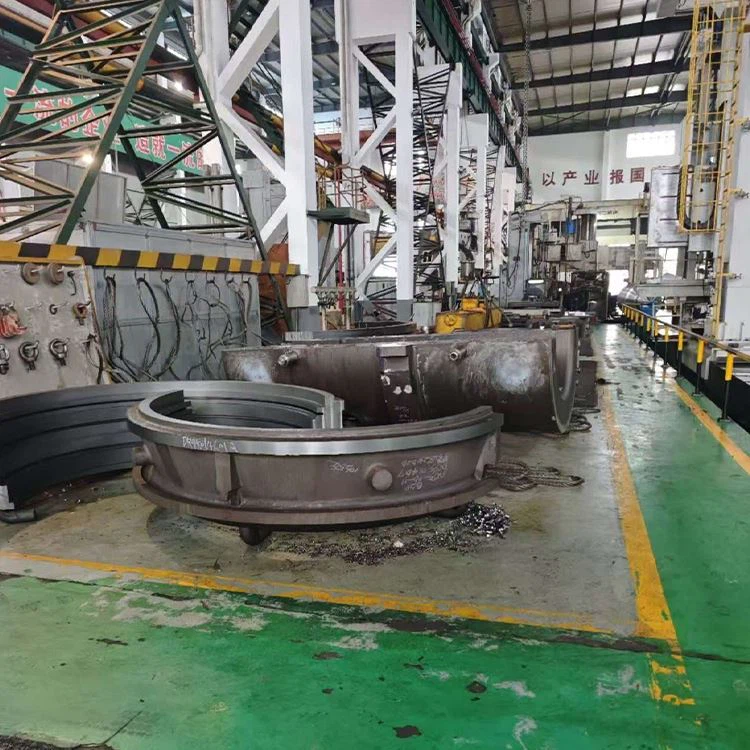
If you hear strange noises coming from the turbine, it's important to investigate the cause. It could be a sign of a minor issue that can be easily fixed, or it could be a symptom of a more serious problem with the housing.
7. Wear on Internal Surfaces
The internal surfaces of the turbine housing can also show signs of damage. Wear on these surfaces can occur due to the flow of fluids or gases and the movement of internal components. For example, the guide vanes inside the housing can wear down over time. This wear can affect the flow characteristics of the fluid or gas through the turbine, reducing its efficiency.
Inspecting the internal surfaces of the housing usually requires disassembling the turbine to some extent. You can look for signs of wear, such as scratches, grooves, or a reduction in the thickness of the internal walls. If you find significant wear on the internal surfaces, it might be necessary to replace or repair the affected parts.
Importance of Regular Maintenance
As a supplier of Large Turbine Housings, I can't stress enough the importance of regular maintenance. By regularly inspecting your turbine housings, you can catch these signs of damage early on. Early detection can save you a lot of money in the long run. It's much cheaper to repair a small crack or a minor wear issue than to replace an entire turbine housing.
We also offer a range of related products, like Large Steel Casting Shell Cast Steel Joint and Hexahedral Cavity, which can be used in turbine systems. These products are made with high - quality materials and strict manufacturing standards to ensure their reliability.
If you're in the market for new turbine housings or need help with maintenance and repair, don't hesitate to reach out. We're here to provide you with the best solutions for your turbine needs. Whether you're dealing with a damaged housing or looking to upgrade your existing system, we can assist you. Contact us to start a procurement discussion and find out how we can meet your specific requirements.
References
- "Turbine Engineering Handbook"
- "Materials Science and Engineering for Turbine Applications"
- Industry standards and guidelines for turbine maintenance and inspection.


