

Hey there! As a supplier of cast carbon steel parts, I've been getting a lot of questions lately about the lubrication requirements for these parts in moving applications. So, I thought I'd take a moment to share some insights on this important topic.
First off, let's talk about why lubrication is so crucial for cast carbon steel parts in moving applications. Cast carbon steel is a durable and widely used material, but like any metal, it experiences wear and tear when it's in motion. Lubrication helps to reduce friction between the moving parts, which in turn minimizes wear, heat generation, and energy consumption. It also protects the parts from corrosion and helps to keep them running smoothly for longer periods.
Now, the lubrication requirements for cast carbon steel parts can vary depending on several factors. One of the most important factors is the type of moving application. For example, parts in high - speed applications will have different lubrication needs compared to those in low - speed, high - load applications.
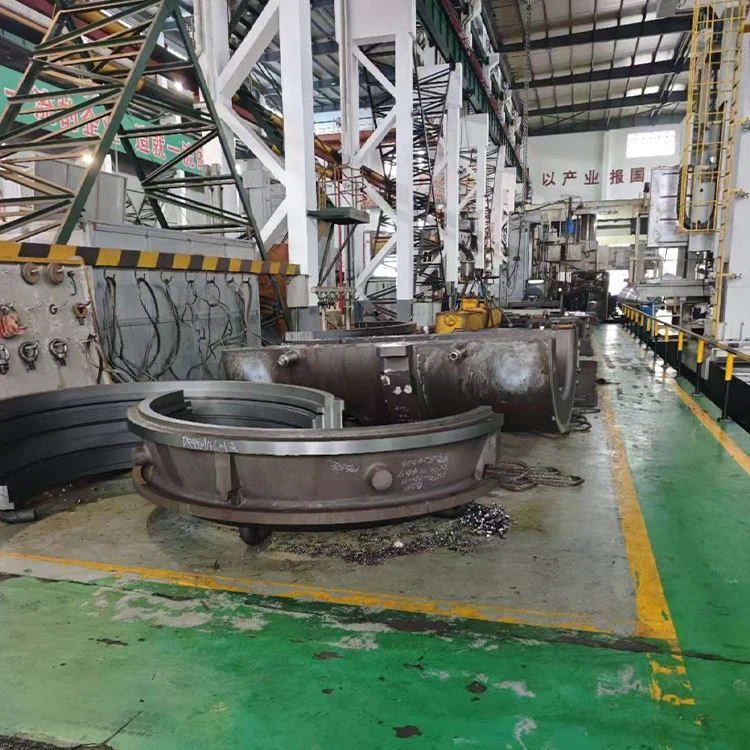
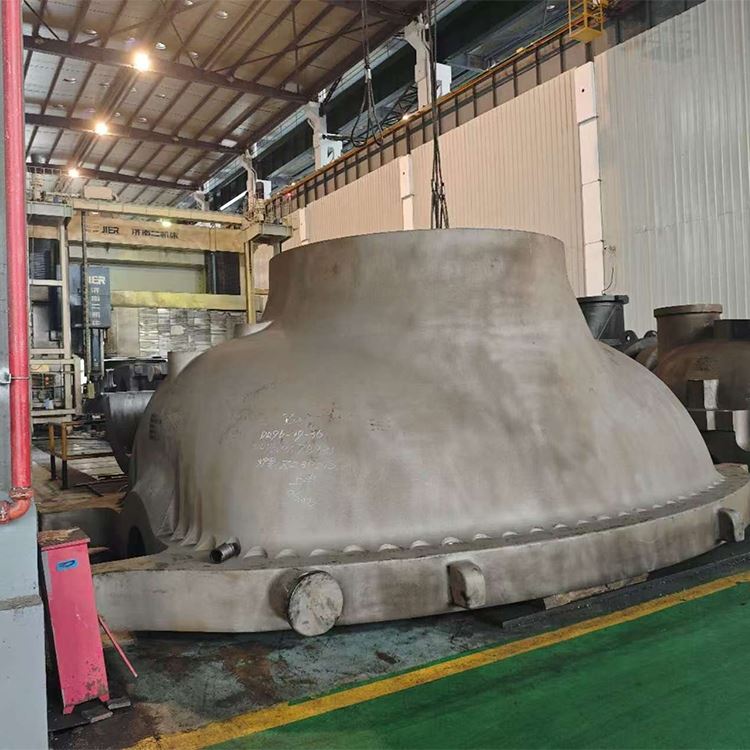
In high - speed applications, such as those found in some Large Turbine Housings, the lubricant needs to have excellent anti - wear properties and a low viscosity. A low - viscosity lubricant can quickly reach all the moving parts and form a thin, protective film. This film reduces friction and allows the parts to move smoothly at high speeds. Synthetic lubricants are often a good choice for high - speed applications because they offer better thermal stability and can withstand the high temperatures generated by the fast - moving parts.
On the other hand, in low - speed, high - load applications, like those in Large Steel Casting Shell Cast Steel Joint, the lubricant needs to be able to handle heavy loads without breaking down. High - viscosity lubricants are typically used in these situations. They form a thicker film between the moving parts, which can support the heavy loads and prevent metal - to - metal contact. Greases are also commonly used in high - load applications as they can stay in place better and provide long - lasting lubrication.
Another factor that affects lubrication requirements is the operating environment. If the cast carbon steel parts are operating in a wet or humid environment, the lubricant needs to have good water - resistance properties. Water can wash away the lubricant and cause corrosion on the steel parts. In such cases, lubricants with additives that repel water and protect against rust are essential.
Temperature is also a key consideration. In high - temperature environments, the lubricant must not break down or evaporate quickly. High - temperature lubricants are formulated to maintain their properties even at elevated temperatures. Conversely, in cold environments, the lubricant should not become too thick and lose its ability to flow. Low - temperature lubricants are designed to remain fluid in cold conditions.
The surface finish of the cast carbon steel parts also plays a role in lubrication. A smooth surface finish allows the lubricant to spread more evenly and form a better protective film. Rough surfaces can cause the lubricant to be unevenly distributed, leading to increased friction and wear. So, proper surface finishing during the manufacturing process is important for optimal lubrication performance.
Now, let's talk about the types of lubricants that are commonly used for cast carbon steel parts. Mineral oils are a traditional choice. They are relatively inexpensive and offer good general - purpose lubrication. However, they may not be suitable for extreme conditions.
Synthetic lubricants, as mentioned earlier, have several advantages. They offer better performance in terms of temperature stability, anti - wear properties, and oxidation resistance. They also tend to last longer, which can reduce maintenance costs in the long run.
Greases are a popular option, especially for applications where the lubricant needs to stay in place. Greases are made by mixing a base oil with a thickening agent. They can be formulated for different applications, such as high - temperature or water - resistant applications.
When it comes to lubrication maintenance, regular checks are essential. The lubricant level should be monitored, and it should be changed at the recommended intervals. Contaminants, such as dirt, dust, and metal particles, can accumulate in the lubricant over time and reduce its effectiveness. Filtering the lubricant or using lubricant with built - in filtration features can help to keep it clean.
In addition to choosing the right lubricant, proper application is also crucial. The lubricant should be applied evenly to all the moving parts. Over - lubrication can be just as bad as under - lubrication. Too much lubricant can cause excess heat generation and can also attract dirt and contaminants.
As a supplier of cast carbon steel parts, I understand the importance of getting the lubrication right. We offer a wide range of high - quality cast carbon steel parts, including Cylinder Support. If you're in the market for cast carbon steel parts and need advice on lubrication requirements, we're here to help. Our team of experts can provide you with detailed information based on your specific application.
Whether you're involved in a high - speed turbine application or a high - load industrial process, we can assist you in selecting the right parts and ensuring they are properly lubricated. Don't hesitate to reach out to us to discuss your needs and start a procurement negotiation. We're committed to providing you with the best solutions for your cast carbon steel part requirements.
References
- "Lubrication Fundamentals" by John W. Bolz and Neil G. Saad
- "Handbook of Lubrication and Tribology" edited by Bhushan Bharat


