What are the insurance requirements for transporting large steel casting boxes?
As a supplier of large steel casting boxes, I've encountered numerous challenges and learned a great deal about the intricacies of transporting these hefty and valuable items. One aspect that stands out as crucial is insurance. In this blog, I'll delve into the insurance requirements for transporting large steel casting boxes, sharing insights based on my experiences in the industry.
Understanding the Nature of Large Steel Casting Boxes
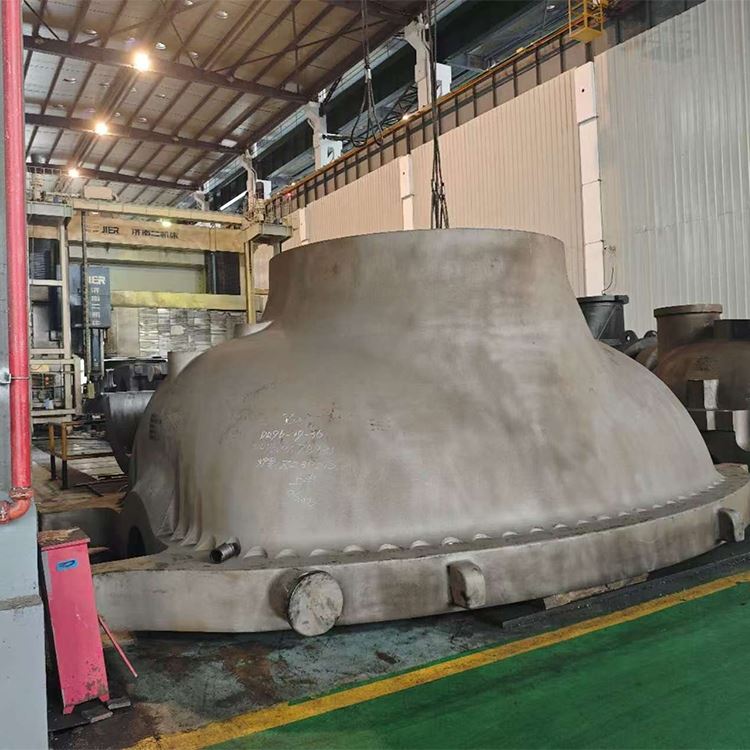
Large steel casting boxes are not your average cargo. They are heavy, often irregularly shaped, and extremely valuable. These boxes can house various components such as Large Turbine Housings, Cylinder Support, and Hexahedral Cavity, which are essential for industrial applications. Their value lies not only in the cost of the steel but also in the precision manufacturing and engineering that goes into creating them.
Due to their size and weight, transporting large steel casting boxes requires specialized equipment and techniques. They are typically moved using flatbed trucks, cranes, and other heavy - duty machinery. This complexity increases the risk of damage during transit, making insurance a non - negotiable part of the transportation process.
Types of Insurance Needed
-
Cargo Insurance
Cargo insurance is the most fundamental type of insurance when it comes to transporting large steel casting boxes. It provides coverage for the loss or damage of the cargo during transit. The insurance policy should cover all possible risks, including accidents, theft, and natural disasters. For example, if a truck carrying our large steel casting boxes is involved in a collision, the cargo insurance will reimburse us for the damaged goods.
When selecting a cargo insurance policy, it's important to consider the value of the shipment. The policy should provide full replacement cost coverage, which means that in the event of a total loss, the insurance company will pay the full amount needed to replace the damaged steel casting boxes. It's also crucial to check the policy's exclusions. Some policies may exclude certain types of damage, such as wear and tear or damage caused by improper packing.
-
Liability Insurance
Liability insurance is another important type of insurance for transporting large steel casting boxes. It protects the transporter from legal claims in case they cause damage to third - party property or injure someone during the transportation process. For instance, if a crane operator accidentally drops a large steel casting box and damages a nearby building, the liability insurance will cover the cost of the damages and any legal fees associated with the claim.
The liability insurance should have a sufficient limit to cover potential large - scale damages. The limit should be based on the value of the cargo, the potential damage to third - party property, and the legal requirements in the regions where the transportation takes place. -
Transportation Equipment Insurance
Since transporting large steel casting boxes requires specialized equipment, it's essential to have transportation equipment insurance. This insurance covers the damage or loss of the trucks, cranes, and other machinery used in the transportation process. For example, if a flatbed truck breaks down due to the heavy load of the steel casting boxes, the transportation equipment insurance will cover the cost of repairs.
Insurance Requirements from Different Stakeholders
- Customers
Our customers often have their own insurance requirements. They may require us to provide proof of insurance before they place an order. This is because they want to ensure that their investment in the large steel casting boxes is protected during transit. Some customers may also specify the minimum coverage limits for the cargo insurance. For example, they may require a policy that covers at least 120% of the value of the shipment to account for any potential additional costs. - Transporters
Transporters also have their own insurance requirements. They need to have proper liability insurance to protect themselves from legal claims. In addition, they may require the shipper (us, in this case) to have cargo insurance. This is because they want to avoid any potential disputes in case of damage to the cargo. Transporters may also have their own insurance policies for their equipment, but it's still important for us to ensure that our cargo is adequately covered. - Regulatory Bodies
Regulatory bodies play a crucial role in setting insurance requirements for transporting large steel casting boxes. In many regions, there are laws that mandate a certain level of liability insurance for transportation companies. These laws are in place to protect the public and ensure that in case of an accident, there are sufficient funds to cover the damages. We need to comply with these regulations to avoid any legal issues.
Factors Affecting Insurance Premiums
- Route and Distance
The route and distance of the transportation have a significant impact on the insurance premiums. If the route passes through areas with high traffic congestion, rough terrain, or a high crime rate, the risk of damage or theft increases, leading to higher insurance premiums. For example, transporting large steel casting boxes through a mountainous region with narrow roads and frequent landslides will likely result in a higher premium compared to a flat, well - maintained highway. - Frequency of Shipments
The frequency of shipments also affects the insurance premiums. If we have a regular schedule of transporting large steel casting boxes, the insurance company may offer us a lower premium. This is because they can better assess the risk and establish a long - term relationship with us. On the other hand, sporadic shipments may result in higher premiums as the insurance company has less data to base their risk assessment on. - Safety Measures
Implementing safety measures can help reduce insurance premiums. For example, if we use high - quality packing materials to protect the steel casting boxes, install tracking devices on the trucks, and ensure that our drivers are well - trained, the insurance company may view us as a lower - risk client and offer us a more favorable premium.
The Process of Obtaining Insurance
- Research and Comparison
The first step in obtaining insurance is to research different insurance providers. We need to look for companies that have experience in insuring large steel casting box shipments. It's important to compare the coverage, premiums, and terms of different policies. Online resources, industry associations, and referrals from other suppliers can be valuable sources of information during this research phase. - Submitting an Application
Once we've selected an insurance provider, we need to submit an application. The application will require detailed information about the shipment, including the value of the large steel casting boxes, the route of transportation, and the expected delivery date. We may also need to provide information about our safety measures and previous claims history. - Underwriting and Policy Issuance
After submitting the application, the insurance company will conduct an underwriting process. They will assess the risk associated with the shipment and determine the appropriate premium. Once the underwriting is complete, the insurance company will issue the policy. It's important to review the policy carefully before signing to ensure that all the terms and conditions are clear.
Importance of Proper Documentation
Proper documentation is essential when it comes to insurance claims. We need to keep detailed records of the shipment, including photos of the steel casting boxes before and after loading, packing lists, and bills of lading. In case of a claim, these documents will serve as evidence of the condition of the cargo and the value of the loss.
For example, if a claim is made for a damaged steel casting box, the insurance company will require photos to assess the extent of the damage. The packing list will help determine the contents of the shipment, and the bill of lading will provide information about the origin and destination of the shipment.
Conclusion
In conclusion, insurance is a critical aspect of transporting large steel casting boxes. As a supplier, we need to ensure that we have the right types of insurance in place to protect our valuable cargo, comply with the requirements of our customers and regulatory bodies, and mitigate the risks associated with transportation. By understanding the different types of insurance, the factors affecting premiums, and the process of obtaining insurance, we can make informed decisions and safeguard our business.
If you're interested in purchasing our large steel casting boxes or have any questions about our products and the transportation process, we invite you to reach out to us for a detailed discussion. We're committed to providing high - quality products and ensuring a smooth and secure transportation experience for our customers.
References
- Insurance Information Institute. (n.d.). Cargo Insurance Basics.
- Transport Lawyers Association. (n.d.). Liability Insurance for Transporters.
- Industry - specific trade publications on steel casting and transportation.