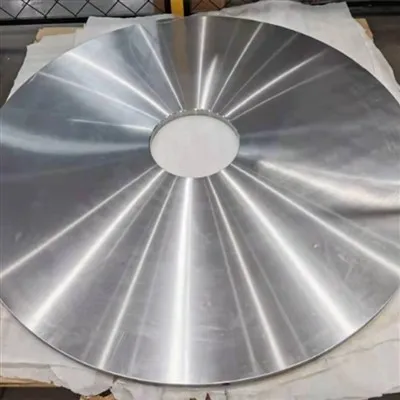
When it comes to the installation of a furnace base, understanding and adhering to the appropriate installation clearances is crucial. As a trusted Furnace Base supplier, we've witnessed firsthand the importance of these clearances in ensuring the safe, efficient, and long - lasting operation of furnaces. In this blog, we'll delve into the various installation clearances required for a furnace base.
1. General Safety Clearances
Safety is the top priority in any furnace installation. The primary reason for having safety clearances is to prevent the risk of fire. Furnaces generate a significant amount of heat during operation, and if they are placed too close to combustible materials, it can lead to a dangerous situation.
For most standard furnace bases, a minimum clearance of 18 inches (45.72 cm) from any combustible wall or surface is recommended. This allows for proper ventilation and reduces the chance of heat transfer to nearby flammable materials. For example, if you're installing a furnace in a utility room with wooden walls, maintaining this clearance will prevent the wood from overheating and potentially catching fire.
In areas where there are curtains, drapes, or other soft furnishings, an even larger clearance may be necessary. These materials can easily catch fire if exposed to high - intensity heat. A clearance of at least 24 inches (60.96 cm) is advisable to ensure that these items are out of the direct heat path.
2. Ventilation Clearances
Proper ventilation is essential for the efficient operation of a furnace. Without adequate ventilation, the furnace can overheat, leading to reduced efficiency and potential damage to the equipment.
On the sides of the furnace base, a clearance of at least 12 inches (30.48 cm) is typically required. This allows for the free flow of air around the furnace, which helps in dissipating heat. The air intake and exhaust vents of the furnace also need sufficient clearance. The intake vent should have a minimum clearance of 6 inches (15.24 cm) from any obstruction to ensure that it can draw in fresh air effectively.
The exhaust vent, on the other hand, needs to be clear of any blockages to expel combustion gases safely. A clearance of 18 inches (45.72 cm) from any nearby structures or objects is recommended. This prevents the exhaust gases from being trapped or redirected back into the furnace area, which can be extremely dangerous.
3. Maintenance and Service Clearances
Furnaces require regular maintenance and servicing to ensure their optimal performance. Therefore, installation clearances should also be designed to allow easy access for technicians.
A minimum clearance of 36 inches (91.44 cm) in front of the furnace base is necessary. This provides enough space for technicians to open the access panels, perform inspections, and carry out any necessary repairs. It also allows for the movement of tools and equipment during maintenance procedures.
At the back of the furnace, a clearance of at least 24 inches (60.96 cm) is recommended. This gives technicians access to the rear components of the furnace, such as the wiring, pipes, and heat exchangers. Without sufficient clearance, it can be difficult or even impossible to perform thorough maintenance, which can lead to long - term problems with the furnace.
4. Clearances for Different Types of Furnaces
The installation clearances can vary depending on the type of furnace. For example, RL Vacuum Furnace has specific requirements due to its unique operating conditions.
Vacuum furnaces operate under low - pressure conditions and require a clean environment. They usually need to be installed in a dedicated room with a higher level of cleanliness. The clearances around a vacuum furnace base should be larger to prevent any interference with the vacuum system. A minimum side clearance of 18 inches (45.72 cm) and a front clearance of 48 inches (121.92 cm) are often recommended for proper operation and maintenance.
Furnace Cover also affects the installation clearances. If a furnace has a cover, the clearances need to be adjusted to account for the additional space occupied by the cover. The cover may require extra space for opening and closing, so a larger front clearance might be necessary.
Stainless Steel Parts Furnace is often used for heat - treating stainless steel components. These furnaces generate a significant amount of heat, and the clearances need to be carefully calculated to prevent damage to surrounding equipment and structures. A minimum floor - to - ceiling clearance of 96 inches (243.84 cm) may be required to ensure proper heat dissipation and ventilation.
5. Local Codes and Regulations
It's important to note that local building codes and regulations can have a significant impact on the installation clearances for a furnace base. These codes are designed to ensure the safety of the building occupants and the integrity of the structure.
Before installing a furnace, it's essential to consult with the local building department to obtain the necessary permits and to understand the specific requirements in your area. Some local codes may require larger clearances than the standard recommendations, especially in areas with strict fire safety regulations.
Failure to comply with local codes can result in fines, delays in the installation process, and even the condemnation of the furnace installation. Therefore, it's always best to err on the side of caution and follow the most stringent requirements.
Conclusion
In conclusion, the installation clearances for a furnace base are a critical aspect of any furnace installation. They play a vital role in ensuring the safety, efficiency, and longevity of the furnace. As a Furnace Base supplier, we understand the importance of these clearances and are committed to providing our customers with the necessary information and support.


If you're in the market for a high - quality furnace base or need more information about installation clearances, we encourage you to reach out to us for a procurement discussion. Our team of experts is ready to assist you in making the right choice for your specific needs.
References
- "Furnace Installation Handbook" - Industry Standard Publication
- Local Building Codes and Regulations Guides