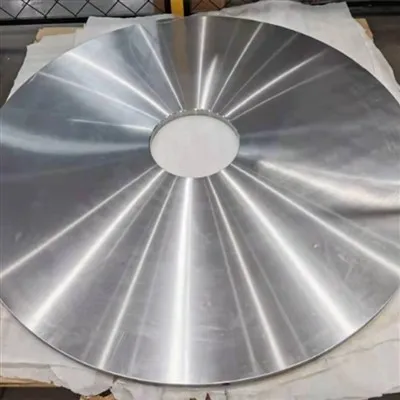
Is the Lower Connection Plate resistant to chemical substances?
As a long - standing supplier of lower connection plates, I'm often confronted with questions from customers regarding the chemical resistance of these crucial components. In industries where lower connection plates are used, such situations often occur: the plates are exposed to a variety of chemical substances, which makes their corrosion resistance particularly important.
Chemical Environment and Lower Connection Plate Applications
Lower connection plates are widely used in many industrial fields, including oil and gas, chemical processing, and water treatment. In the oil and gas industry, they are used in pipelines and storage facilities, and may come into contact with oil, natural gas, and various corrosive by - products. Chemical processing plants expose these plates to a vast array of strong acids, alkalis, and solvents. Even in water treatment facilities, the presence of disinfectants and other chemicals can impact the integrity of lower connection plates.
Factors Affecting Chemical Resistance
Material Composition
The primary determinant of a lower connection plate's resistance to chemicals is its material composition. We offer lower connection plates made from different materials, such as carbon steel, stainless steel, and alloy steel. Carbon steel is a common choice due to its relatively low cost and high strength. However, it has limited resistance to most chemical substances, especially in acidic or corrosive environments. Stainless steel, on the other hand, contains chromium, which forms a passive oxide layer on the surface. This layer acts as a barrier, protecting the underlying metal from further oxidation and corrosion. The higher the chromium content, the greater the chemical resistance. For example, 316 stainless steel, which also contains molybdenum, offers enhanced resistance to chloride - rich environments compared to 304 stainless steel.
Alloy steels are specifically engineered to resist certain chemicals. They can be customized by adding elements like nickel, copper, or titanium, depending on the expected chemical exposure. For instance, nickel - containing alloys are highly resistant to many acids and alkalis, making them suitable for harsh chemical environments. You can find more information about material selection and modification in Forged Parts Finalization.
Surface Treatment
Another factor that influences chemical resistance is surface treatment. Coatings such as epoxy, polyurethane, or zinc can be applied to lower connection plates to provide an additional layer of protection. Epoxy coatings, for example, are highly resistant to a wide range of chemicals, including acids, alkalis, and solvents. They form a hard, durable film that prevents chemical penetration. Zinc coatings work through a process called galvanization, where zinc acts as a sacrificial anode. It corrodes preferentially to the base metal, protecting the lower connection plate from rust and corrosion.
Design Considerations
The design of the lower connection plate also plays a role in its chemical resistance. A well - designed plate minimizes areas where chemicals can accumulate, such as crevices and sharp corners. Smooth surfaces and proper drainage features can reduce the likelihood of chemical build - up and subsequent corrosion. Additionally, the connection method between the lower connection plate and other components should be carefully considered. Improper connections can lead to gaps where chemicals can seep in and cause corrosion.
Testing and Certification
To ensure the chemical resistance of our lower connection plates, we conduct rigorous testing. We use methods such as immersion testing, where samples are submerged in specific chemicals for a set period. This allows us to evaluate the rate of corrosion and the overall performance of the plate. We also perform salt spray tests, which simulate harsh coastal or industrial environments.


Our products meet various international standards and certifications, which attest to their quality and chemical resistance. These standards ensure that our lower connection plates can withstand the expected chemical exposures in different industries.
Comparison with Other Components
When considering the chemical resistance of lower connection plates, it's useful to compare them with related components like the Upper Connection Plate and Forged Parts Valve Cover. While upper connection plates may have similar material and design considerations, they may be exposed to different chemical environments depending on their location in the system. For example, an upper connection plate in a pipeline might be more exposed to the air and water vapor, which can lead to different types of corrosion compared to a lower connection plate that is in direct contact with the pipeline's contents.
Forged parts valve covers are often used to protect the internal components of a valve from chemical exposure. They need to be highly resistant to chemicals to prevent leakage and damage to the valve. In some cases, the valve cover may need to have a higher level of chemical resistance than the lower connection plate, especially in high - pressure and high - chemical - exposure applications.
Making the Right Choice
When customers are deciding on the right lower connection plate for their specific application, they should consider the type of chemical substances they will encounter, the operating temperature and pressure, and the expected lifespan of the component. If the environment is highly acidic, a stainless - steel plate with a high chromium and molybdenum content may be the best choice. For applications where cost is a major concern and the chemical exposure is relatively mild, a coated carbon - steel plate could be sufficient.
Contact for Procurement
If you are in the market for high - quality lower connection plates with excellent chemical resistance, we are here to help. Our team of experts can provide detailed advice on material selection, surface treatment, and design based on your specific requirements. Whether you are in the oil and gas, chemical processing, or water treatment industry, we can offer you the best solutions for your lower connection plate needs. Reach out to us to start the procurement and negotiation process, and together we can ensure the success of your projects.
References
- Callister, W. D., & Rethwisch, D. G. (2014). Materials Science and Engineering: An Introduction. Wiley.
- Fontana, M. G. (1986). Corrosion Engineering. McGraw - Hill.