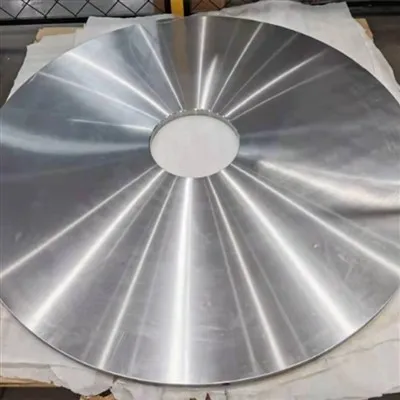
Hey there! As a supplier of stainless steel parts, I've seen firsthand how crucial durability is in the world of manufacturing. Whether it's for industrial machinery, construction, or even household appliances, the ability of stainless steel parts to withstand wear, corrosion, and other forms of damage is what makes them so valuable. In this blog post, I'll be diving into the factors that affect the durability of stainless steel parts, sharing some insights based on my experience in the industry.
1. Material Composition
The first and most obvious factor is the material composition of the stainless steel itself. Stainless steel is an alloy, which means it's made up of a combination of different elements. The most common elements in stainless steel include iron, chromium, nickel, and molybdenum.
- Chromium: Chromium is the key element that gives stainless steel its corrosion - resistant properties. When chromium reacts with oxygen in the air, it forms a thin, protective layer called chromium oxide on the surface of the steel. This layer acts as a barrier, preventing further oxidation and corrosion. Generally, the higher the chromium content, the better the corrosion resistance. For example, stainless steels with a chromium content of 18% or more are often used in applications where corrosion resistance is critical.
- Nickel: Nickel enhances the ductility and toughness of stainless steel. It also improves the steel's resistance to corrosion in certain environments, such as acidic solutions. Stainless steels with a high nickel content, like 304 and 316 grades, are commonly used in food processing and marine applications.
- Molybdenum: Molybdenum increases the steel's resistance to pitting and crevice corrosion, especially in chloride - containing environments. Stainless steels with molybdenum, such as 316L, are ideal for use in coastal areas or in chemical processing plants.
2. Manufacturing Processes
The way stainless steel parts are manufactured can have a significant impact on their durability.
- Casting: Casting is a process where molten stainless steel is poured into a mold to create a specific shape. While casting can produce complex shapes, it can also introduce defects such as porosity, inclusions, and uneven grain structure. These defects can weaken the part and reduce its durability. To minimize these issues, proper casting techniques and quality control measures need to be implemented.
- Forging: Forging involves shaping stainless steel by applying pressure to it while it's in a heated state. Forged parts generally have a more uniform grain structure and better mechanical properties compared to cast parts. The forging process can also eliminate internal defects, resulting in a stronger and more durable part.
- Machining: Machining operations such as cutting, drilling, and grinding can affect the surface finish and integrity of stainless steel parts. If the machining parameters are not properly set, it can cause surface damage, such as micro - cracks or work - hardening. These surface defects can act as initiation points for corrosion and fatigue, reducing the part's durability.
3. Surface Finish
The surface finish of stainless steel parts plays a vital role in their durability.
- Smoothness: A smooth surface finish reduces the likelihood of debris and contaminants sticking to the part. When dirt, moisture, or chemicals accumulate on the surface, they can cause corrosion and accelerate wear. For example, in food processing equipment, a smooth surface finish is essential to prevent the growth of bacteria and to ensure easy cleaning.
- Passivation: Passivation is a chemical treatment process that removes free iron from the surface of stainless steel and enhances the formation of the protective chromium oxide layer. This treatment can significantly improve the corrosion resistance of the part. After machining or welding, passivation is often recommended to restore the part's corrosion - resistant properties.
4. Environmental Conditions
The environment in which stainless steel parts are used can have a major impact on their durability.
- Corrosive Environments: Exposure to corrosive substances such as acids, alkalis, and salts can cause stainless steel to corrode. For example, in marine environments, the high salt content in the air and water can lead to pitting and crevice corrosion. In chemical plants, stainless steel parts may be exposed to a variety of aggressive chemicals, which require the use of highly corrosion - resistant grades of stainless steel.
- Temperature: Extreme temperatures can also affect the durability of stainless steel parts. At high temperatures, stainless steel can lose its strength and corrosion resistance. For example, in Furnace Base applications, the parts need to withstand high - temperature environments without deforming or corroding. On the other hand, at low temperatures, stainless steel can become brittle, increasing the risk of cracking.
- Mechanical Stress: Mechanical stress, such as vibration, impact, and cyclic loading, can cause fatigue and cracking in stainless steel parts. For example, in RL Vacuum Furnace and Process Room Frame applications, the parts may be subjected to continuous vibration or sudden impacts, which require them to have high fatigue resistance.
5. Maintenance and Care
Proper maintenance and care can extend the lifespan of stainless steel parts.
- Cleaning: Regular cleaning is essential to remove dirt, debris, and contaminants from the surface of stainless steel parts. Using mild detergents and non - abrasive cleaners can help prevent surface damage. Avoid using harsh chemicals or abrasive materials that can scratch the surface and compromise the protective layer.
- Inspection: Periodic inspection of stainless steel parts can help detect early signs of corrosion, wear, or damage. By identifying and addressing these issues promptly, the part's durability can be maintained. For example, checking for signs of pitting or cracking can prevent more serious problems from developing.
In conclusion, the durability of stainless steel parts is influenced by a variety of factors, including material composition, manufacturing processes, surface finish, environmental conditions, and maintenance. As a supplier of stainless steel parts, we understand the importance of these factors and strive to provide high - quality parts that meet the specific requirements of our customers. Whether you need a Furnace Base, an RL Vacuum Furnace, or a Process Room Frame, we have the expertise and resources to deliver durable solutions.
If you're in the market for stainless steel parts and want to discuss your specific needs, don't hesitate to reach out. We're here to help you find the best products for your applications.


References
- ASM Handbook, Volume 13A: Corrosion: Fundamentals, Testing, and Protection
- Stainless Steel: A Practical Guide by George E. Totten and D. Scott MacKenzie
- Manufacturing Engineering & Technology by S. Kalpakjian and S. R. Schmid