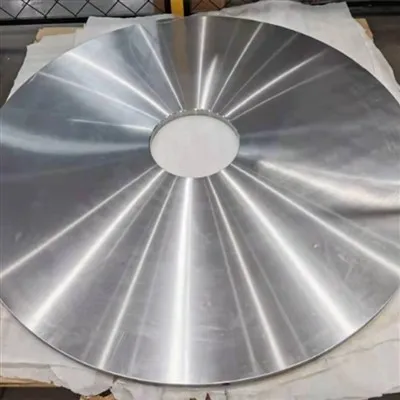
In the world of industrial manufacturing, ductile iron parts have emerged as a cornerstone due to their exceptional cost - effectiveness. As a trusted supplier of ductile iron parts, I have witnessed firsthand how these components offer a unique blend of performance and affordability across a wide range of applications.
Material Properties and Cost - Effectiveness
Ductile iron, also known as nodular cast iron, is characterized by its graphite nodules. Unlike traditional gray cast iron, where graphite is present in flake form, the nodular structure in ductile iron provides superior mechanical properties. This includes high tensile strength, excellent ductility, and good impact resistance. These properties mean that ductile iron parts can withstand heavy loads and harsh operating conditions, reducing the need for frequent replacements.
From a cost - perspective, the raw materials for ductile iron are relatively abundant and less expensive compared to some high - performance alloys. The manufacturing process of ductile iron parts is also well - established and efficient. Casting techniques, such as sand casting and investment casting, are commonly used to produce ductile iron parts. These methods allow for the production of complex shapes in large quantities with high precision, which helps to keep the unit cost down.
Long - Term Durability and Maintenance Savings
One of the most significant cost - effectiveness aspects of ductile iron parts is their long - term durability. The inherent strength and ductility of ductile iron enable these parts to resist wear, corrosion, and fatigue over extended periods. For example, in the automotive industry, ductile iron parts like crankshafts and suspension components are subject to high stresses and constant movement. The durability of ductile iron ensures that these parts can last for the lifetime of the vehicle, reducing the cost of replacement parts and labor for maintenance.
In the construction industry, ductile iron pipes are widely used for water and sewage systems. These pipes have a high resistance to corrosion from soil and water, which means they require less maintenance compared to other materials. The long service life of ductile iron pipes translates into significant cost savings over the lifespan of the infrastructure project.

Customization and Design Flexibility
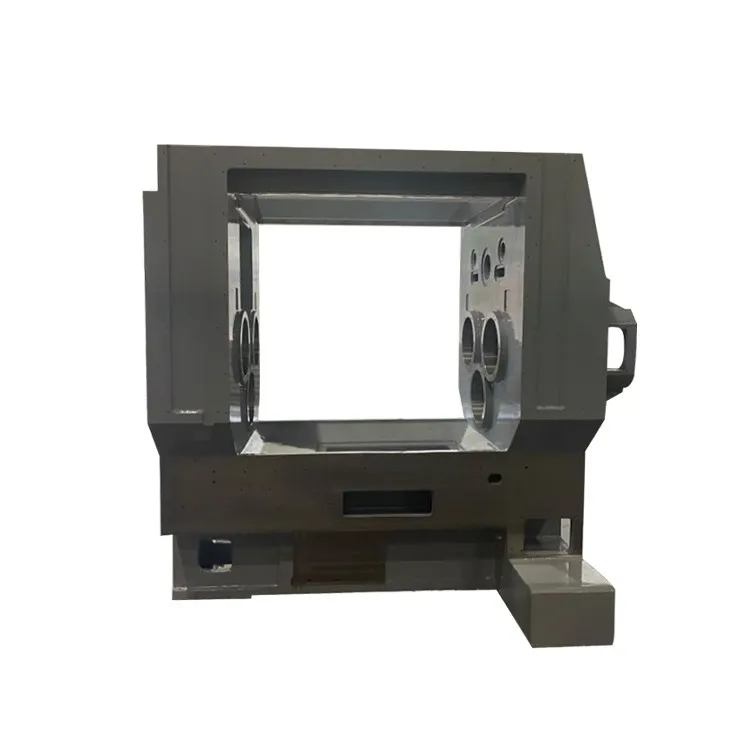
As a ductile iron parts supplier, I understand the importance of customization. Ductile iron offers great design flexibility, allowing us to create parts that meet the specific requirements of our customers. Whether it's a simple bracket or a complex Ductile Iron Parts Workbench, the casting process can be adjusted to produce parts with different sizes, shapes, and surface finishes.
The ability to customize ductile iron parts also means that we can optimize the design for cost - effectiveness. For instance, we can reduce the weight of a part without sacrificing its strength by using advanced design techniques. This not only saves on material costs but also reduces the energy required for transportation and installation.
Energy Efficiency in Production
The production of ductile iron parts is relatively energy - efficient compared to some other manufacturing processes. The melting and casting of ductile iron can be carried out using modern furnaces that are designed to minimize energy consumption. Additionally, the high yield rate of the casting process means that less material is wasted, further improving the overall energy efficiency.
Moreover, the durability of ductile iron parts contributes to energy savings in end - use applications. For example, in industrial machinery, ductile iron gears operate with high efficiency, reducing the energy loss due to friction. This results in lower energy bills for the end - user, adding to the cost - effectiveness of using ductile iron parts.
Comparison with Other Materials
When compared to other materials such as steel and aluminum, ductile iron offers a unique combination of cost and performance. Steel is known for its high strength, but it can be more expensive to produce, especially for complex shapes. Aluminum, on the other hand, is lightweight but may not have the same level of strength and durability as ductile iron in certain applications.
For example, in the manufacturing of Ductile Iron Parts Rotating Stage, ductile iron provides the necessary strength and stability at a lower cost compared to steel. At the same time, it offers better wear resistance than aluminum, which is crucial for components that are subject to rotational forces.
Cost - Benefit Analysis in Specific Applications
Let's take a closer look at some specific applications to understand the cost - effectiveness of ductile iron parts. In the mining industry, Cutting Chamber Body made of ductile iron are used in cutting and crushing equipment. These parts are exposed to extremely abrasive materials and high - impact forces. The high hardness and toughness of ductile iron ensure that the cutting chamber body can withstand these conditions, reducing the frequency of replacement and downtime for maintenance. The cost savings associated with reduced replacement and maintenance far outweigh the initial investment in ductile iron parts.
In the agricultural sector, ductile iron parts are used in tractors and other farming equipment. These parts need to be strong enough to handle the heavy loads and rough terrains. The durability of ductile iron parts means that farmers can rely on their equipment for longer periods without having to worry about frequent breakdowns. This leads to increased productivity and lower overall operating costs.
Conclusion and Call to Action
In conclusion, the cost - effectiveness of ductile iron parts is evident in their material properties, long - term durability, customization options, energy efficiency, and performance compared to other materials. As a supplier of ductile iron parts, I am committed to providing high - quality products that offer the best value for our customers.
If you are in the market for ductile iron parts, I encourage you to reach out to us for a detailed discussion about your requirements. Our team of experts can help you select the right ductile iron parts for your application and provide you with a competitive quote. We are dedicated to working with you to optimize your cost - effectiveness and ensure the success of your projects.
References
- ASM Handbook Committee. (2004). ASM Handbook Volume 1: Properties and Selection: Irons, Steels, and High - Performance Alloys. ASM International.
- Schaeffler, R. W. (1949). Constitution Diagram for Stainless Steel Weld Metals. Welding Journal.