

Hey there! As a fan body supplier, I know how crucial it is to ensure the quality of our products. Testing a new fan body isn't just a formality; it's a make-or-break step in delivering a reliable and efficient product to our customers. In this blog, I'll walk you through the process of testing a new fan body, sharing some tips and insights along the way.
Pre - testing Preparations
Before we jump into the actual testing, there are a few things we need to take care of. First off, we gather all the necessary tools and equipment. This includes measuring tapes, calipers, pressure gauges, and vibration sensors. These tools help us get accurate data during the testing process.
We also need to have a clear understanding of the design specifications of the fan body. What are the required dimensions? What kind of performance standards does it need to meet? Having these details at hand allows us to set up the testing parameters correctly.
Visual Inspection
The first step in testing a new fan body is a visual inspection. We take a close look at the surface of the fan body for any visible defects. Are there any cracks, chips, or rough edges? These imperfections can not only affect the aesthetics but also the performance and durability of the fan.
We also check the alignment of different parts of the fan body. If the parts aren't properly aligned, it can cause the fan to vibrate excessively during operation, leading to premature wear and tear. A well - aligned fan body is essential for smooth and efficient performance.
Dimensional Checks
Once the visual inspection is done, we move on to dimensional checks. Using our measuring tools, we measure the key dimensions of the fan body to make sure they match the design specifications. Even a small deviation in dimensions can have a significant impact on the fan's performance.
For example, if the diameter of the fan blades is off by a few millimeters, it can change the airflow rate and the pressure generated by the fan. We measure the length, width, height, and thickness of various components of the fan body, and compare these measurements with the design drawings.
Material Testing
The material of the fan body plays a vital role in its performance and durability. We conduct material testing to ensure that the fan body is made of the right material and that the material meets the required quality standards.
One common method of material testing is hardness testing. We use a hardness tester to measure the hardness of the fan body material. A material that is too soft may not be able to withstand the stresses and strains during operation, while a material that is too hard can be brittle and prone to cracking.
We may also perform chemical analysis to determine the composition of the material. This helps us ensure that the material contains the right elements in the correct proportions. For instance, if the fan body is made of ductile iron, we need to make sure that the carbon, silicon, and other alloying elements are present in the appropriate amounts. You can check out some related ductile iron parts on our website, like the Cutting Chamber Body, Compressor Rotor, and Ductile Iron Parts Rotating Stage.
Performance Testing
After the initial checks, we move on to the performance testing of the fan body. This is where we really put the fan to the test and see how it performs under different operating conditions.
Airflow and Pressure Testing
One of the key performance indicators of a fan is its airflow rate and the pressure it can generate. We use a flow meter and a pressure gauge to measure these parameters. We install the fan body in a test rig and run it at different speeds to measure the airflow and pressure at each speed.
We compare the measured values with the design specifications. If the airflow rate is lower than expected, it could be due to a problem with the fan blade design, the alignment of the parts, or the presence of any blockages in the airflow path.
Vibration Testing
Excessive vibration can be a sign of a problem with the fan body. We use vibration sensors to measure the vibration levels of the fan during operation. High vibration levels can cause noise, reduce the efficiency of the fan, and even lead to mechanical failures.
We run the fan at different speeds and monitor the vibration levels. If the vibration exceeds the acceptable limits, we need to identify the source of the problem. It could be due to unbalanced fan blades, misaligned parts, or a problem with the mounting of the fan.
Noise Testing
No one wants a noisy fan. We conduct noise testing to measure the sound level produced by the fan during operation. We use a sound level meter to measure the noise in decibels (dB).
We run the fan in a quiet environment and measure the noise at different speeds. If the noise level is too high, we need to find ways to reduce it. This could involve improving the aerodynamic design of the fan blades, using better - quality bearings, or adding sound - absorbing materials to the fan body.
Fatigue Testing
To ensure the long - term durability of the fan body, we conduct fatigue testing. The fan body is subjected to repeated cycles of stress and strain to simulate the real - world operating conditions over an extended period.
We use a fatigue testing machine to apply cyclic loads to the fan body. We monitor the fan body for any signs of fatigue, such as cracks or deformation. Fatigue testing helps us identify any potential weaknesses in the design or material of the fan body, so we can make the necessary improvements before the product is released to the market.
Final Checks and Documentation
Once all the testing is completed, we conduct a final review of the test results. We make sure that the fan body meets all the required performance and quality standards. If there are any issues, we take the necessary steps to correct them.
We also document all the test results. This documentation is important for quality control purposes and for providing evidence of compliance with industry standards. It also helps us track the performance of the fan body over time and make continuous improvements to our products.
Conclusion
Testing a new fan body is a comprehensive process that involves multiple steps and checks. From visual inspections and dimensional checks to performance and fatigue testing, each step is crucial in ensuring the quality, performance, and durability of the fan body.

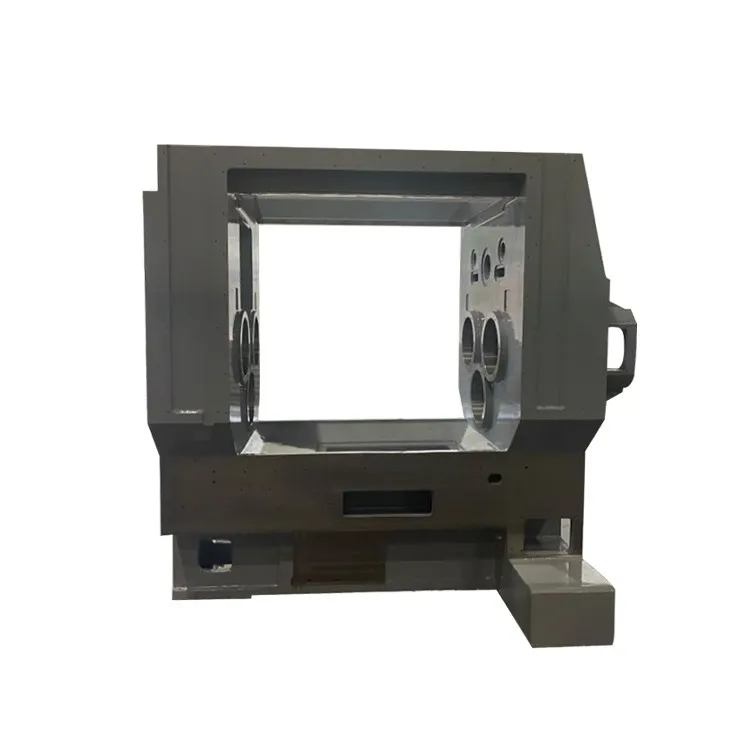
As a fan body supplier, we are committed to delivering high - quality products to our customers. By following a rigorous testing process, we can be confident that our fans will meet the needs and expectations of our customers.
If you're in the market for a reliable fan body, we'd love to have a chat with you. Our team of experts can help you find the right fan body for your specific requirements. Contact us to start the procurement and negotiation process, and let's work together to find the perfect solution for your needs.
References
- ASME Standards on Fan Performance Testing
- ASTM Standards for Material Testing
- Industry - specific guidelines on fan design and testing


