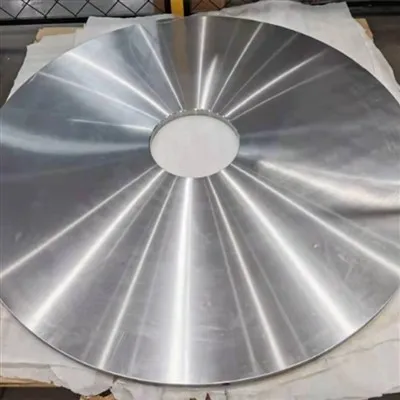
Hey there! As a supplier of Cutting Chamber Bodies, I've seen firsthand how excessive vibration can be a real pain in the neck. It not only affects the performance of the cutting chamber but also shortens its lifespan and can even lead to safety issues. In this blog, I'm gonna share some tips on how to reduce the vibration of the Cutting Chamber Body.
Understanding the Causes of Vibration
Before we jump into the solutions, it's important to understand what causes the vibration in the first place. There are several factors that can contribute to excessive vibration in a Cutting Chamber Body:
Imbalance
One of the most common causes of vibration is imbalance. This can occur when the rotating parts of the cutting chamber, such as the blades or the rotor, are not properly balanced. An imbalance can cause uneven forces to be applied to the chamber, resulting in vibration.
Misalignment
Misalignment is another major culprit. If the cutting chamber is not properly aligned with the drive system or other components, it can cause vibration. This can happen during installation or due to wear and tear over time.


Loose Components
Loose components can also lead to vibration. If bolts, nuts, or other fasteners are not tightened properly, they can cause the chamber to vibrate as it operates.
Worn Parts
Worn parts, such as bearings or belts, can also contribute to vibration. As these parts wear out, they can cause the chamber to operate less smoothly, resulting in increased vibration.
Solutions to Reduce Vibration
Balancing the Rotating Parts
The first step in reducing vibration is to ensure that all rotating parts are properly balanced. This can be done using a balancing machine, which measures the imbalance and allows you to make adjustments to correct it. By balancing the rotating parts, you can reduce the uneven forces that cause vibration.
Proper Alignment
Proper alignment is crucial for reducing vibration. Make sure that the cutting chamber is aligned with the drive system and other components according to the manufacturer's specifications. This may require the use of alignment tools and techniques to ensure accurate alignment.
Tightening Loose Components
Regularly check and tighten all bolts, nuts, and other fasteners to ensure that they are properly secured. Loose components can cause vibration, so it's important to keep everything tight and secure.
Replacing Worn Parts
Worn parts should be replaced as soon as possible to prevent further vibration. Bearings, belts, and other components that show signs of wear should be replaced with new ones to ensure smooth operation.
Using Damping Materials
Damping materials can be used to absorb and reduce vibration. These materials can be applied to the cutting chamber or other components to help reduce the transmission of vibration. Some common damping materials include rubber, foam, and viscoelastic materials.
Improving the Design
In some cases, improving the design of the cutting chamber can help reduce vibration. This may involve adding stiffeners or changing the shape of the chamber to make it more rigid and less prone to vibration. For example, you can refer to the Ductile Iron Parts Workbench for some design inspiration.
Regular Maintenance
Regular maintenance is essential for keeping the cutting chamber in good condition and reducing vibration. This includes cleaning, lubricating, and inspecting the chamber on a regular basis. By keeping the chamber clean and well-maintained, you can prevent problems that can lead to vibration.
Case Studies
Let's take a look at a couple of case studies to see how these solutions can be applied in real-world situations.
Case Study 1: A Manufacturing Plant
A manufacturing plant was experiencing excessive vibration in their cutting chamber, which was causing problems with the quality of their products. After conducting a thorough inspection, it was found that the rotating parts were out of balance and the chamber was misaligned. The plant decided to balance the rotating parts and realign the chamber according to the manufacturer's specifications. They also replaced some worn bearings and tightened all the loose components. As a result, the vibration was significantly reduced, and the quality of the products improved.
Case Study 2: A Construction Company
A construction company was using a cutting chamber on a job site, and they noticed that it was vibrating excessively. They suspected that the problem was due to loose components, so they checked and tightened all the bolts and nuts. They also replaced a worn belt and added some damping materials to the chamber. After these changes, the vibration was greatly reduced, and the cutting chamber was able to operate more smoothly.
Conclusion
Reducing the vibration of the Cutting Chamber Body is essential for ensuring its performance, longevity, and safety. By understanding the causes of vibration and implementing the solutions outlined in this blog, you can significantly reduce the vibration and improve the operation of your cutting chamber.
If you're interested in learning more about our Cutting Chamber Bodies or have any questions about reducing vibration, feel free to reach out. We're here to help you find the best solutions for your needs. Whether you're in the manufacturing, construction, or any other industry, we've got the expertise and products to meet your requirements. Contact us today to start the conversation and see how we can work together to improve your cutting operations.
References
- "Vibration Analysis for Machinery Fault Diagnosis" by Thomas Bechhoefer
- "Mechanical Vibrations" by Singiresu S. Rao
- Manufacturer's manuals for Cutting Chamber Bodies