

As a supplier of Compressor Rotors, I've witnessed firsthand the detrimental effects of rotor overheating in compressors. Overheating not only shortens the lifespan of the compressor rotor but also compromises the overall efficiency and reliability of the entire compressor system. In this blog post, I'll share some practical strategies on how to prevent overheating of a compressor rotor, drawing from my years of experience in the industry.
Understanding the Causes of Compressor Rotor Overheating
Before delving into prevention methods, it's crucial to understand the root causes of compressor rotor overheating. Several factors can contribute to this issue, including:
- Lack of Lubrication: Insufficient lubrication between the rotor and its bearings can lead to increased friction, generating excessive heat. Over time, this can cause wear and tear on the rotor surface and bearings, further exacerbating the problem.
- High Operating Pressure: Compressors operating at excessively high pressures are more likely to experience overheating. This is because the increased pressure requires the rotor to work harder, generating more heat in the process.
- Inadequate Cooling: Compressors rely on cooling systems to dissipate heat generated during operation. If the cooling system is not functioning properly or is undersized for the compressor's workload, the rotor temperature can rise rapidly.
- Contaminants in the System: Dirt, debris, and other contaminants can accumulate on the rotor surface, reducing its efficiency and causing it to overheat. Additionally, contaminants can damage the bearings and other components of the compressor, leading to further overheating issues.
- Mechanical Misalignment: Misalignment between the rotor and other components of the compressor can cause uneven wear and increased friction, resulting in overheating. This can occur due to improper installation or normal wear and tear over time.
Preventive Measures
Now that we understand the causes of compressor rotor overheating, let's explore some preventive measures that can help keep your compressor running smoothly and efficiently.
1. Proper Lubrication
- Use High - Quality Lubricants: Select lubricants specifically designed for compressor applications. These lubricants should have excellent anti - wear and anti - oxidation properties to reduce friction and protect the rotor and bearings.
- Regular Lubricant Checks and Changes: Establish a regular maintenance schedule to check the lubricant level and quality. Replace the lubricant at the recommended intervals to ensure optimal performance.
2. Monitor and Control Operating Pressure
- Install Pressure Sensors: Use pressure sensors to monitor the operating pressure of the compressor. Set up alarms to notify operators if the pressure exceeds safe limits.
- Adjust Compressor Settings: If the pressure is consistently too high, adjust the compressor settings or consider upgrading to a larger compressor that can handle the required workload more efficiently.
3. Ensure Adequate Cooling
- Maintain the Cooling System: Regularly inspect and clean the cooling system components, such as radiators, fans, and coolant lines. Check for leaks and ensure proper coolant flow.
- Upgrade the Cooling System: If the existing cooling system is unable to keep the rotor temperature within the acceptable range, consider upgrading to a more powerful cooling system. For example, Fan Body can be a crucial part of an effective cooling system.
4. Keep the System Clean
- Install Air Filters: Use high - efficiency air filters to prevent contaminants from entering the compressor system. Replace the filters regularly to maintain their effectiveness.
- Periodic Cleaning: Schedule periodic cleaning of the compressor and its components to remove any accumulated dirt and debris. This can help improve the efficiency of the rotor and prevent overheating.
5. Ensure Proper Alignment
- Professional Installation: Have the compressor installed by a qualified technician to ensure proper alignment of the rotor and other components.
- Regular Alignment Checks: Conduct regular alignment checks as part of the maintenance routine. If misalignment is detected, correct it immediately to prevent further damage.
Importance of Quality Components
Using high - quality components is essential for preventing compressor rotor overheating. As a Compressor Rotor supplier, I understand the importance of precision manufacturing and high - grade materials. Our Compressor Rotor is made from high - quality ductile iron, which offers excellent strength and durability. The precision machining process ensures a perfect fit and smooth operation, reducing friction and heat generation.
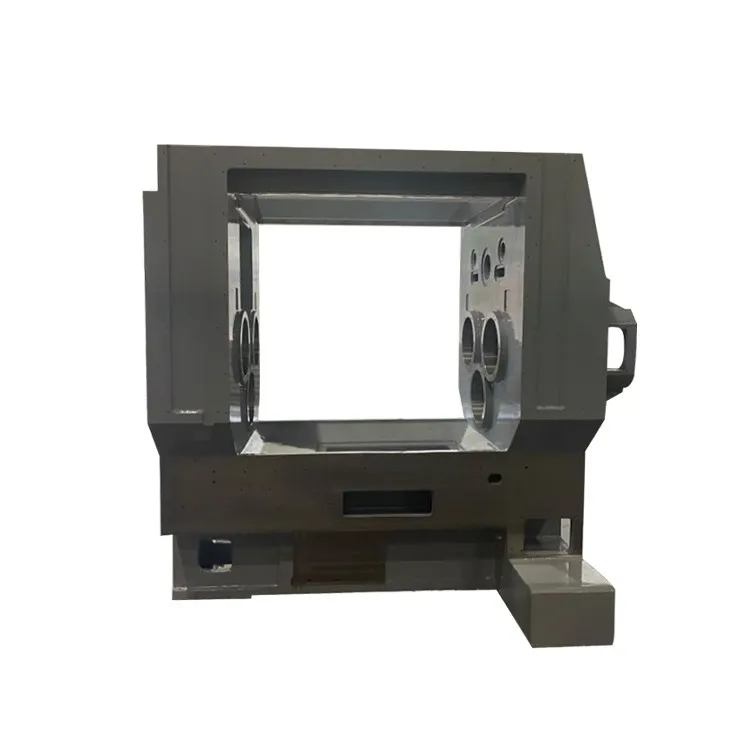
In addition to the compressor rotor, other components such as the Cutting Chamber Body also play a crucial role in the overall performance of the compressor. These components are designed to work together seamlessly, ensuring efficient operation and preventing overheating.
Monitoring and Early Detection
Implementing a comprehensive monitoring system is key to preventing compressor rotor overheating. Here are some monitoring techniques:
- Temperature Sensors: Install temperature sensors on the rotor and other critical components of the compressor. Continuously monitor the temperature readings and set up alerts for abnormal temperature increases.
- Vibration Analysis: Regularly perform vibration analysis to detect any signs of mechanical problems, such as misalignment or bearing wear. Early detection can help prevent overheating and costly repairs.
- Performance Monitoring: Keep track of the compressor's performance metrics, such as pressure, flow rate, and power consumption. Any significant changes in these metrics could indicate a potential overheating issue.
Training and Education
Proper training and education of operators and maintenance personnel are essential for preventing compressor rotor overheating. Ensure that your staff is well - trained in compressor operation, maintenance procedures, and safety protocols. Provide them with regular updates on new technologies and best practices in the industry.
Conclusion
Preventing compressor rotor overheating is crucial for ensuring the long - term reliability and efficiency of your compressor system. By understanding the causes of overheating and implementing the preventive measures outlined in this blog post, you can significantly reduce the risk of rotor overheating and extend the lifespan of your compressor.
As a Compressor Rotor supplier, we are committed to providing high - quality products and expert advice to help you keep your compressors running smoothly. If you have any questions or need further information about our Compressor Rotor or other casting and forging parts, we encourage you to reach out to us for a procurement discussion. We look forward to working with you to meet your compressor component needs.

References
- Compressor Handbook, McGraw - Hill Professional
- ASME Standards for Compressor Design and Operation
- Industry reports on Compressor Maintenance and Reliability


