

Hey there! As a support plate supplier, I've seen my fair share of issues with support plate deformation. It's a real headache for both us suppliers and our customers. Deformed support plates can lead to all sorts of problems, from inaccurate product dimensions to reduced performance and even safety hazards. So, in this blog post, I'm gonna share some tips on how to prevent a support plate from deformation.
Choose the Right Material
The first step in preventing support plate deformation is to choose the right material. Different materials have different properties, and some are more prone to deformation than others. For example, metals like aluminum and steel are commonly used for support plates because they're strong and durable. But even among these metals, there are differences.
Aluminum is lightweight and has good corrosion resistance. It's a popular choice for applications where weight is a concern. However, it's also relatively soft compared to steel. So, if you need a support plate that can withstand high loads or harsh environments, you might want to consider a stronger alloy of aluminum or go for steel.
Steel, on the other hand, is much stronger than aluminum. It can handle heavy loads and is more resistant to deformation under stress. But it's also heavier and more prone to corrosion if not properly treated. You can choose from different types of steel, such as carbon steel, stainless steel, etc., depending on your specific requirements.
Optimize the Design
The design of the support plate plays a crucial role in preventing deformation. Here are some design considerations:
- Thickness: Make sure the support plate is thick enough to handle the expected loads. A thicker plate is generally more resistant to bending and warping. However, you also don't want to make it too thick as it will increase the weight and cost. You need to find a balance based on the application.
- Shape and Geometry: The shape of the support plate can affect its strength and stiffness. For example, adding ribs or flanges to the plate can increase its rigidity. You can also use a honeycomb or lattice structure to reduce weight while maintaining strength.
- Holes and Cutouts: If your support plate needs to have holes or cutouts for mounting or other purposes, be careful with their placement and size. Large holes or poorly placed cutouts can weaken the plate and make it more likely to deform. Try to distribute the holes evenly and use appropriate reinforcement around them.
Proper Manufacturing Processes
The manufacturing process can also have a significant impact on the quality and deformation resistance of the support plate. Here are some things to keep in mind:
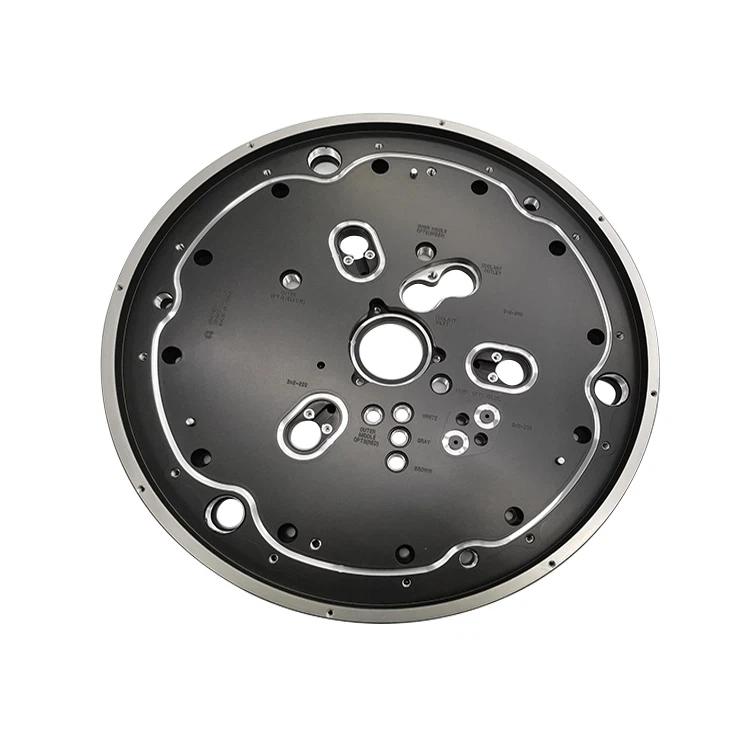
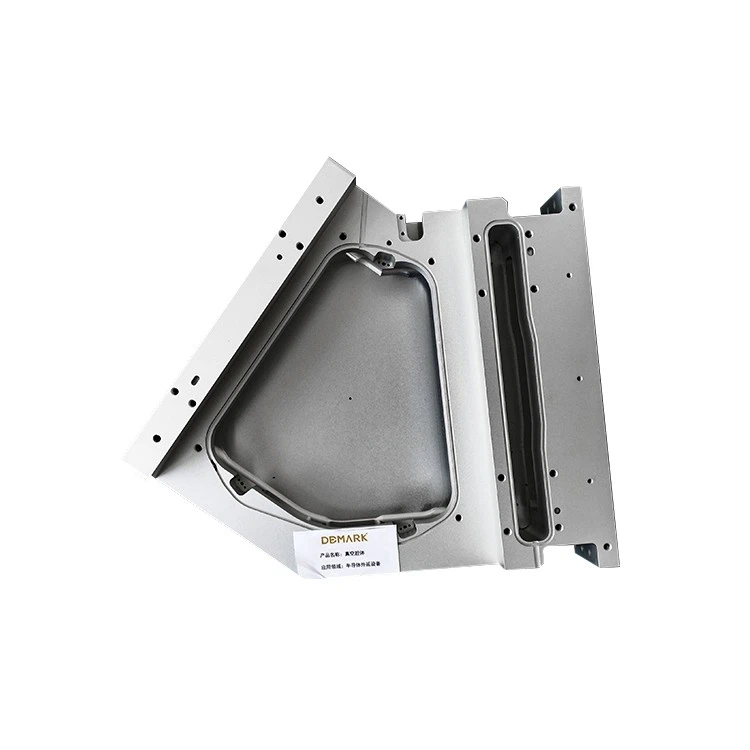
- Machining: During machining, make sure to use the right tools and techniques. Improper machining can introduce internal stresses in the plate, which can lead to deformation over time. For example, using too high a cutting speed or feed rate can cause the material to heat up and warp. You should also pay attention to the surface finish. A smooth surface finish can reduce stress concentrations and improve the plate's resistance to deformation.
- Heat Treatment: Heat treatment can be used to improve the mechanical properties of the support plate. For example, annealing can relieve internal stresses, while quenching and tempering can increase the hardness and strength of the material. However, heat treatment needs to be done carefully as improper treatment can also cause deformation. You need to follow the correct heat treatment procedures and parameters for the specific material.
Installation and Usage
How you install and use the support plate is also important for preventing deformation.
- Installation: Make sure the support plate is installed correctly. It should be properly aligned and securely fastened. If it's not installed properly, it can be subjected to uneven loads, which can lead to deformation. For example, if the mounting bolts are not tightened evenly, one side of the plate may be under more stress than the other.
- Load Distribution: Try to distribute the loads evenly across the support plate. Avoid applying concentrated loads in one area as this can cause the plate to bend or warp. If possible, use additional support structures or spacers to spread the load.
- Environmental Conditions: Be aware of the environmental conditions where the support plate will be used. High temperatures, humidity, and corrosive substances can all affect the plate's performance and lead to deformation. If necessary, take appropriate measures to protect the plate, such as using coatings or enclosures.
Use of Additional Support Devices
Sometimes, using additional support devices can help prevent support plate deformation. For example, you can use Adapter Base Plate to provide more stable support for the main support plate. These adapter base plates can be designed to distribute the loads more evenly and reduce the stress on the support plate.
Another option is to use Vacuum Chamber in some applications. A vacuum chamber can help create a stable environment for the support plate and reduce the effects of external forces.
Aluminum Alloy Parts Vacuum Suction Cup can also be used to hold the support plate in place more securely. This can prevent it from shifting or moving under load, which can reduce the risk of deformation.
Regular Inspection and Maintenance
Finally, regular inspection and maintenance are essential for preventing support plate deformation. Check the support plate regularly for any signs of wear, damage, or deformation. Look for cracks, bends, or warping. If you notice any issues, take action immediately to repair or replace the plate.
You should also clean the support plate regularly to remove any dirt, debris, or corrosive substances. This can help prevent corrosion and damage to the plate, which can lead to deformation over time.
In conclusion, preventing support plate deformation requires a combination of choosing the right material, optimizing the design, using proper manufacturing processes, correct installation and usage, and regular inspection and maintenance. By following these tips, you can ensure that your support plates perform well and last a long time.
If you're in the market for high - quality support plates or need more advice on preventing deformation, feel free to reach out to us. We're here to help you find the best solutions for your specific needs. Let's have a chat about your requirements and see how we can work together!
References
- "Materials Science and Engineering: An Introduction" by William D. Callister Jr. and David G. Rethwisch
- "Mechanical Design Engineering Handbook" by Myer Kutz


