

Improving the impact-resistance of cast carbon steel parts is a critical concern for many industries, especially those that rely on high-performance components. As a supplier of cast carbon steel parts, I understand the importance of delivering products that can withstand the rigors of demanding applications. In this blog post, I will share some insights and strategies on how to enhance the impact-resistance of cast carbon steel parts.
Understanding the Basics of Cast Carbon Steel
Cast carbon steel is a widely used material in various industries due to its excellent mechanical properties, including high strength, good ductility, and relatively low cost. It is composed primarily of iron and carbon, with small amounts of other elements such as manganese, silicon, sulfur, and phosphorus. The carbon content in cast carbon steel typically ranges from 0.1% to 1.5%, which significantly affects its properties.
The impact-resistance of cast carbon steel is influenced by several factors, including the chemical composition, microstructure, heat treatment, and manufacturing process. By carefully controlling these factors, it is possible to optimize the impact-resistance of cast carbon steel parts.
Chemical Composition Optimization
The chemical composition of cast carbon steel plays a crucial role in determining its impact-resistance. Here are some key elements and their effects:
- Carbon (C): Increasing the carbon content generally improves the strength and hardness of cast carbon steel, but it can also reduce its ductility and impact-resistance. Therefore, it is important to find the right balance between carbon content and other properties. In most cases, a carbon content of around 0.2% - 0.5% is suitable for applications requiring good impact-resistance.
- Manganese (Mn): Manganese is an important alloying element in cast carbon steel. It helps to improve the strength, hardness, and impact-resistance by forming manganese sulfide inclusions, which prevent the formation of brittle iron sulfide. A manganese content of 0.8% - 1.5% is commonly used.
- Silicon (Si): Silicon is added to cast carbon steel to deoxidize the molten metal and improve its fluidity during casting. It also enhances the strength and hardness of the steel. However, excessive silicon content can reduce the impact-resistance, so it should be controlled within a reasonable range, typically 0.15% - 0.6%.
- Others: Small amounts of other elements such as nickel (Ni), chromium (Cr), and molybdenum (Mo) can be added to further improve the impact-resistance of cast carbon steel. These elements can refine the microstructure and enhance the hardenability of the steel.
Microstructure Control
The microstructure of cast carbon steel has a significant impact on its impact-resistance. A fine and homogeneous microstructure is generally preferred for better impact properties. Here are some methods to control the microstructure:
- Grain Refinement: Grain refinement can be achieved by adding grain-refining agents during the casting process. These agents, such as titanium (Ti), zirconium (Zr), and aluminum (Al), can form fine particles that act as nucleation sites for grain growth, resulting in a finer grain size. A finer grain size improves the strength, ductility, and impact-resistance of the steel.
- Heat Treatment: Heat treatment is an effective way to modify the microstructure of cast carbon steel. Normalizing, quenching, and tempering are commonly used heat treatment processes. Normalizing can refine the grain structure and improve the uniformity of the microstructure. Quenching and tempering can further enhance the strength and toughness of the steel by transforming the microstructure into a more favorable form, such as tempered martensite.
Manufacturing Process Improvement
The manufacturing process of cast carbon steel parts also affects their impact-resistance. Here are some aspects to consider:
- Casting Process: A well-controlled casting process is essential to ensure the quality of cast carbon steel parts. Proper gating and risering design can help to eliminate defects such as porosity, shrinkage, and inclusions, which can significantly reduce the impact-resistance. In addition, using advanced casting techniques, such as vacuum casting or investment casting, can further improve the quality of the castings.
- Machining and Finishing: After casting, the parts need to be machined and finished to meet the required dimensions and surface quality. Care should be taken during machining to avoid introducing surface defects or residual stresses, which can also affect the impact-resistance. Proper surface finishing, such as grinding or polishing, can improve the surface smoothness and reduce the stress concentration, thereby enhancing the impact-resistance.
Case Studies
To illustrate the effectiveness of the above strategies, let's look at some case studies of our cast carbon steel parts:
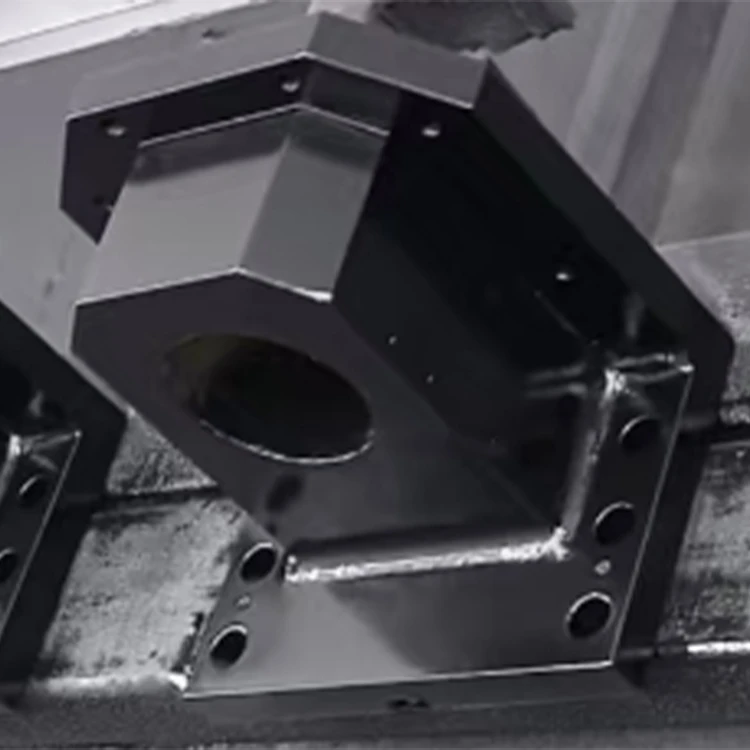
- Large Steel Casting Shell Cast Steel Joint: For this complex-shaped component, we optimized the chemical composition by carefully controlling the carbon and manganese content. Through grain refinement and heat treatment, we achieved a fine and homogeneous microstructure, which significantly improved the impact-resistance. In addition, our advanced casting process ensured the quality of the casting, with minimal defects. As a result, the large steel casting shell cast steel joint can withstand high impact forces in harsh operating environments.
- Cylinder Support: The cylinder support is a critical part in many mechanical systems. We used a combination of alloying elements and heat treatment to enhance its impact-resistance. The optimized chemical composition and fine-grained microstructure provided excellent strength and toughness. Moreover, our precise machining and surface finishing processes ensured that the cylinder support had a smooth surface and low stress concentration, further improving its impact performance.
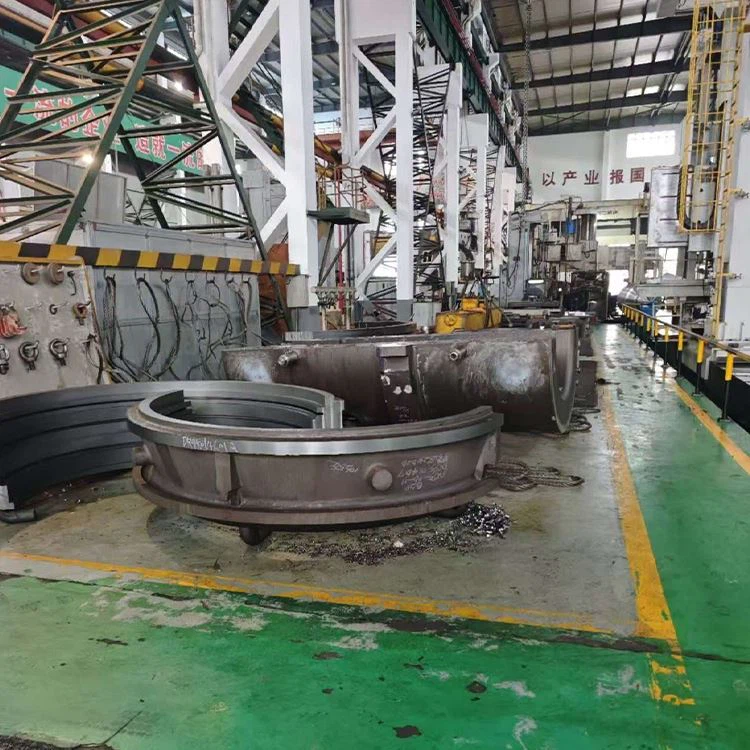
- Large Turbine Housings: Large turbine housings are subjected to high impact and vibration during operation. To meet the requirements, we adopted a comprehensive approach, including chemical composition optimization, microstructure control, and manufacturing process improvement. The result is a large turbine housing with superior impact-resistance, which can ensure the reliable operation of the turbine.
Conclusion
Improving the impact-resistance of cast carbon steel parts requires a comprehensive approach that takes into account the chemical composition, microstructure, heat treatment, and manufacturing process. By optimizing these factors, we can produce high-quality cast carbon steel parts that can withstand the challenges of various applications.
As a supplier of cast carbon steel parts, we are committed to providing our customers with products of the highest quality. Our extensive experience and advanced manufacturing techniques enable us to meet the most demanding requirements. If you are looking for cast carbon steel parts with excellent impact-resistance for your project, we would be glad to discuss your needs and provide you with customized solutions. Let's work together to achieve your goals.
References
- Smith, J. D. (2018). Steel Casting Handbook. ASM International.
- Davis, J. R. (2008). Carbon and Alloy Steel Castings. ASM International.
- Campbell, J. (2016). Castings (3rd ed.). Butterworth-Heinemann.


