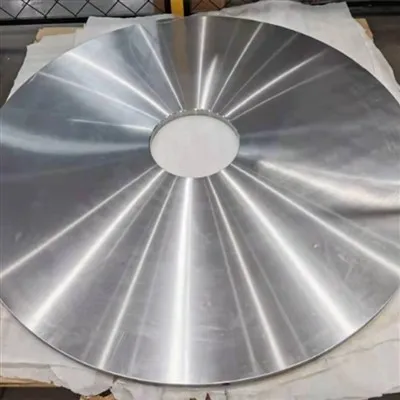
Grey cast iron parts are widely used in various industries due to their excellent properties such as good castability, high wear resistance, and low cost. However, in the production process, defective grey cast iron parts are inevitable. As a grey cast iron parts supplier, it is crucial to handle the disposal of these defective parts properly to minimize losses and ensure environmental protection. In this blog, I will share some effective ways to handle the disposal of defective grey cast iron parts based on my experience in the industry.
Understanding the Causes of Defects
Before discussing the disposal methods, it is essential to understand the common causes of defects in grey cast iron parts. Some of the typical causes include:
- Casting Defects: These can be due to improper gating and risering systems, which may lead to problems such as porosity, shrinkage, and cold shuts. For example, if the gating system does not allow for smooth flow of molten iron, it can result in air entrapment and porosity in the final part.
- Chemical Composition Issues: Incorrect chemical composition can affect the mechanical properties of the grey cast iron. For instance, an imbalance in the carbon, silicon, and other alloying elements can lead to hardness variations, poor machinability, and reduced strength.
- Molding and Core Making Problems: Defects in the molding or core - making process, such as sand inclusions, can occur if the sand is not properly prepared or if the cores are not accurately positioned in the mold.
By identifying the root causes of the defects, we can take preventive measures to reduce the occurrence of defective parts in the future.
Reclamation and Recycling
One of the most sustainable and cost - effective ways to handle defective grey cast iron parts is through reclamation and recycling.
- Melting and Recasting: Defective parts can be melted down and recast into new parts. This process not only reduces waste but also saves on raw material costs. The defective parts are first sorted and cleaned to remove any contaminants such as sand, rust, or paint. Then, they are loaded into a furnace and melted at high temperatures. Once the iron is molten, its chemical composition can be adjusted if necessary before being poured into new molds. For example, we can reuse defective Sliding Seat parts by melting them and recasting them into new sliding seats or other suitable grey cast iron components.
- Scrap Metal Sales: If the defective parts cannot be easily recast into the same type of product, they can be sold as scrap metal. There is a significant market for scrap grey cast iron, as it can be used by foundries and other metal - processing industries. Selling scrap metal not only generates some revenue but also helps in reducing the inventory of defective parts.
Repairs and Rework
In some cases, defective grey cast iron parts can be repaired or reworked to meet the required specifications.
- Welding and Brazing: Minor defects such as cracks or small holes can be repaired using welding or brazing techniques. Welding can be used to join the cracked parts together, while brazing can be employed to fill small holes. However, it is important to ensure that the welding or brazing process is carried out correctly to maintain the integrity of the part. For example, the heat input during welding should be controlled to prevent distortion and changes in the microstructure of the grey cast iron.
- Machining and Finishing: If the defect is related to dimensional inaccuracies, the parts can be re - machined to the correct dimensions. This may involve operations such as turning, milling, or grinding. For instance, a Gray Cast Iron Box with slightly oversized holes can be re - machined to the proper size.
Disposal as Waste
In some situations, where the defects are too severe to be repaired or recycled, the defective parts may need to be disposed of as waste. However, this should be done in an environmentally friendly manner.
- Landfill Disposal: If the parts are not suitable for any other form of disposal, they can be sent to a landfill. But before doing so, it is important to ensure that the landfill is properly permitted and designed to handle metal waste. Additionally, any hazardous substances such as lead or other heavy metals should be removed from the parts to prevent environmental contamination.
- Hazardous Waste Management: If the defective parts contain hazardous substances, they must be managed according to local and national regulations. This may involve special treatment or disposal methods to ensure the safety of the environment and human health.
Quality Control and Prevention
To reduce the number of defective grey cast iron parts in the first place, implementing a strict quality control system is essential.
- In - process Inspection: Regular inspections during the casting process can help detect defects early. This includes checking the mold quality, the chemical composition of the molten iron, and the dimensions of the cast parts at various stages of production. For example, using non - destructive testing methods such as ultrasonic testing or X - ray inspection can help identify internal defects that may not be visible to the naked eye.
- Supplier Evaluation: When sourcing raw materials such as pig iron, scrap metal, and sand, it is important to evaluate the suppliers carefully. Choosing high - quality raw materials can significantly reduce the occurrence of defects in the final products.
- Operator Training: Well - trained operators are crucial for producing high - quality grey cast iron parts. Training programs should cover topics such as casting techniques, quality control, and safety procedures.
Cost - Benefit Analysis
When deciding on the best way to handle defective grey cast iron parts, it is important to conduct a cost - benefit analysis. This analysis should consider factors such as the cost of reclamation, recycling, repair, and disposal, as well as the potential revenue from selling scrap metal or re - using the parts.
- Cost of Reclamation and Recycling: The cost of melting and recasting defective parts includes the energy cost for melting, the cost of adjusting the chemical composition, and the labor cost for handling the parts. However, the savings on raw material costs can offset these expenses.
- Cost of Repairs: The cost of welding, machining, or other repair operations should be compared with the cost of producing a new part. If the repair cost is significantly lower than the cost of a new part, then repair is a viable option.
- Revenue from Scrap Sales: Selling defective parts as scrap metal can generate some revenue, which should be factored into the cost - benefit analysis.
Conclusion
As a grey cast iron parts supplier, handling the disposal of defective parts is an important aspect of our business. By understanding the causes of defects, implementing reclamation and recycling programs, performing repairs when possible, and ensuring proper waste disposal, we can minimize losses, reduce environmental impact, and improve the overall quality of our products.
If you are in the market for high - quality grey cast iron parts, such as High Quality Grey Cast Iron Flange, or have any questions about our products or the disposal of defective parts, we welcome you to contact us for procurement and further discussions. We are committed to providing you with the best solutions and products that meet your specific requirements.


References
- ASM Handbook Volume 15: Casting. ASM International.
- Campbell, J. (2003). Castings. Butterworth - Heinemann.
- Tiryakioglu, M., & Powell, J. A. (2010). Gray and Ductile Iron Castings: Fundamentals of Microstructure, Processing, and Applications. ASM International.