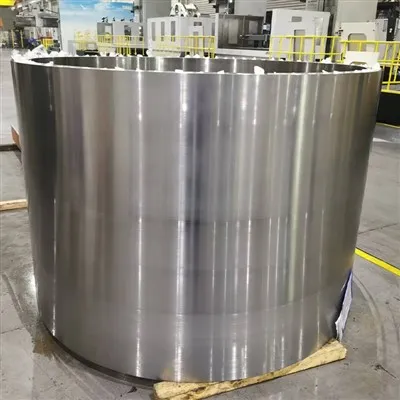
When it comes to industrial furnaces, the choice of a furnace cover is a critical decision that can significantly impact the efficiency, safety, and longevity of the furnace. As a seasoned Furnace Cover supplier, I understand the importance of making the right choice based on the furnace's power rating. In this blog post, I'll share some insights on how to select the most suitable furnace cover for your specific furnace power requirements.
Understanding Furnace Power Ratings
Before delving into the selection process of a furnace cover, it's essential to have a clear understanding of furnace power ratings. The power rating of a furnace, typically measured in kilowatts (kW), indicates the amount of energy the furnace can generate per unit of time. This rating is a crucial factor as it directly influences the heat output, temperature distribution, and overall performance of the furnace.
Higher power-rated furnaces generate more heat, which means they operate at higher temperatures and require furnace covers that can withstand extreme thermal conditions. On the other hand, lower power-rated furnaces produce less heat and may not need covers with the same level of heat resistance.
Factors to Consider Based on Power Rating
Heat Resistance
One of the primary considerations when choosing a furnace cover based on power rating is heat resistance. High-power furnaces can reach temperatures well above 1000°C, and the furnace cover must be able to withstand these extreme temperatures without deforming or losing its structural integrity.
For high-power furnaces, materials such as refractory ceramics or high-temperature alloys are often the best choices. These materials have excellent thermal stability and can resist the intense heat generated by the furnace. For example, if you have a RL Vacuum Furnace with a high power rating, a furnace cover made of refractory ceramic can provide the necessary heat resistance to ensure optimal performance and safety.
In contrast, low-power furnaces operate at relatively lower temperatures, and the heat resistance requirements for the furnace cover are less stringent. Materials like mild steel or aluminum may be sufficient for these applications, as they can handle the lower heat levels without significant issues.
Insulation
Insulation is another crucial factor to consider, especially for high-power furnaces. A well-insulated furnace cover helps to reduce heat loss from the furnace, improving energy efficiency and reducing operating costs.
High-power furnaces require thick and effective insulation materials to minimize heat transfer. Fiberglass insulation, ceramic fiber insulation, or mineral wool insulation are commonly used for high-power furnace covers. These materials have low thermal conductivity, which means they can prevent heat from escaping the furnace.
For low-power furnaces, less insulation may be required, but it's still important to have some level of insulation to maintain a stable temperature inside the furnace. Thinner layers of insulation or less expensive insulation materials can be used in these cases.
Structural Integrity
The power rating of a furnace also affects the structural integrity requirements of the furnace cover. High-power furnaces generate more heat and pressure, which can put additional stress on the furnace cover.
A furnace cover for a high-power furnace needs to be structurally robust to withstand the mechanical forces and thermal expansion. It should be designed with reinforced edges, strong joints, and a sturdy frame. For instance, a Process Room Frame can provide the necessary support and stability for a furnace cover in a high-power application.


Low-power furnaces generally have less demanding structural requirements, but the furnace cover still needs to be able to hold its shape and protect the furnace from external factors.
Sealing
Proper sealing is essential for all furnaces, regardless of their power rating. A well-sealed furnace cover helps to prevent heat leakage, maintain a consistent temperature inside the furnace, and protect the surrounding environment from hot gases and fumes.
For high-power furnaces, a tight seal is even more critical due to the higher heat and pressure. High-temperature gaskets or seals made of materials like graphite or silicone rubber are commonly used to ensure a reliable seal.
Low-power furnaces also require good sealing, but the sealing materials may not need to be as heat-resistant as those used for high-power furnaces.
Material Selection Based on Power Rating
High-Power Furnaces
As mentioned earlier, high-power furnaces demand materials with excellent heat resistance and structural strength. Refractory materials, such as alumina, magnesia, or zirconia, are commonly used for furnace covers in high-power applications. These materials can withstand temperatures up to 2000°C or more and have good chemical stability.
High-temperature alloys, such as Inconel or Hastelloy, are also popular choices for high-power furnace covers. These alloys have high strength and corrosion resistance at elevated temperatures, making them suitable for harsh operating conditions.
Low-Power Furnaces
For low-power furnaces, mild steel is a cost-effective and widely used material for furnace covers. Mild steel has good mechanical properties and can be easily fabricated into the desired shape. Aluminum is another option for low-power furnace covers, as it is lightweight, corrosion-resistant, and has good thermal conductivity.
Customization and Design
In addition to considering the factors mentioned above, customization and design are also important aspects when choosing a furnace cover based on power rating. Every furnace has unique requirements, and a custom-designed furnace cover can provide the best fit and performance.
As a Furnace Cover supplier, we offer customized solutions to meet the specific needs of our customers. We can design and manufacture furnace covers in various shapes, sizes, and materials to ensure compatibility with different furnace power ratings and applications.
For example, if you have a furnace with a non-standard shape or a specific installation requirement, we can create a custom furnace cover that fits perfectly. Our team of experts will work closely with you to understand your needs and provide a solution that meets your expectations.
Conclusion
Choosing the right furnace cover based on the furnace's power rating is crucial for ensuring the efficient and safe operation of the furnace. By considering factors such as heat resistance, insulation, structural integrity, sealing, and material selection, you can make an informed decision and select a furnace cover that meets your specific requirements.
As a trusted Furnace Cover supplier, we have the expertise and experience to provide high-quality furnace covers for a wide range of furnace power ratings. Whether you need a furnace cover for a small, low-power furnace or a large, high-power industrial furnace, we can offer the right solution.
If you're in the market for a furnace cover and need assistance with the selection process, please don't hesitate to contact us. Our team is ready to help you find the perfect furnace cover for your application.
References
- "Industrial Furnace Handbook: Principles, Design, and Operation" by T. Venkateswaran
- "High Temperature Materials and Their Applications" by R. A. Rapp