

Thermal conductivity is a crucial property that significantly influences the performance and applications of cast carbon steel parts. As a leading supplier of cast carbon steel parts, I understand the importance of this property and its impact on various industrial applications. In this blog post, I will explore how the thermal conductivity of cast carbon steel parts affects their applications and why it matters in different industries.
Understanding Thermal Conductivity
Thermal conductivity is the ability of a material to conduct heat. It is defined as the quantity of heat that passes through a unit area of a material in a unit time under a unit temperature gradient. In the context of cast carbon steel parts, thermal conductivity determines how quickly heat can be transferred through the material. This property is influenced by several factors, including the chemical composition of the steel, its microstructure, and the presence of any impurities or alloying elements.
Cast carbon steel is an alloy of iron and carbon, with carbon content typically ranging from 0.05% to 2.1%. The addition of carbon and other alloying elements can affect the thermal conductivity of the steel. For example, increasing the carbon content generally reduces the thermal conductivity of the steel due to the formation of carbide particles, which impede the flow of heat. Other alloying elements, such as chromium, nickel, and molybdenum, can also have a significant impact on thermal conductivity.
Impact on High-Temperature Applications
One of the most critical areas where the thermal conductivity of cast carbon steel parts plays a vital role is in high-temperature applications. In industries such as power generation, aerospace, and automotive, components are often exposed to extreme temperatures. The ability of cast carbon steel parts to conduct heat efficiently is essential for maintaining their structural integrity and preventing overheating.
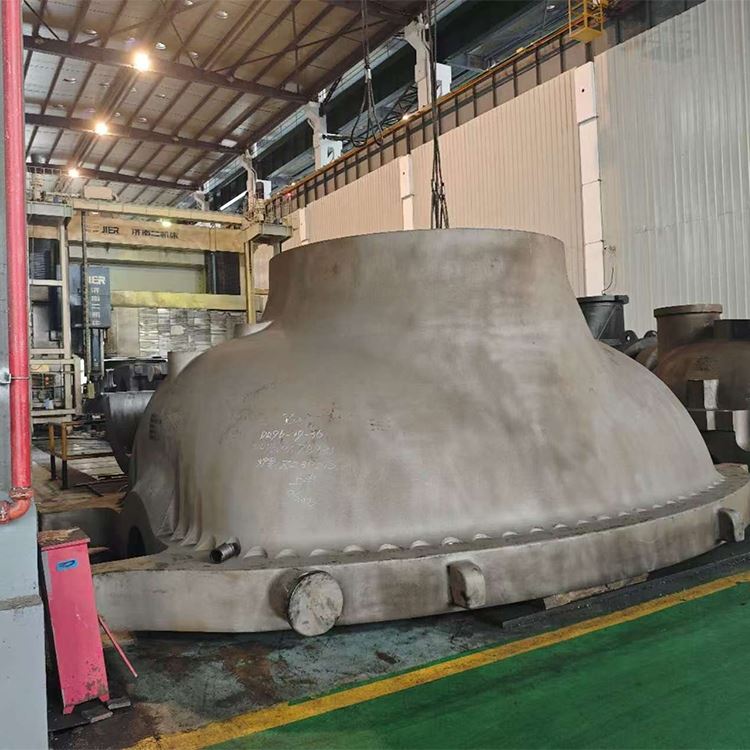
In power generation plants, for instance, large turbine housings are subjected to high temperatures and pressures. These Large Turbine Housings need to have good thermal conductivity to dissipate the heat generated during operation. If the thermal conductivity is too low, the temperature within the turbine housing can rise to dangerous levels, leading to thermal stress, deformation, and ultimately, failure of the component. By using cast carbon steel with appropriate thermal conductivity, the heat can be effectively transferred away from critical areas, ensuring the reliable operation of the turbine.
Similarly, in the aerospace industry, components such as engine parts and heat shields are exposed to extremely high temperatures during flight. Cast carbon steel parts with high thermal conductivity are preferred in these applications as they can quickly transfer heat away from the source, protecting the surrounding materials and ensuring the safety and performance of the aircraft.
Influence on Heat Treatment Processes
The thermal conductivity of cast carbon steel parts also has a significant impact on heat treatment processes. Heat treatment is a critical step in the manufacturing of cast carbon steel parts as it can improve their mechanical properties, such as hardness, strength, and toughness. The rate at which heat is transferred through the material during heat treatment can affect the final microstructure and properties of the part.
During quenching, for example, a rapid cooling process is used to harden the steel. The thermal conductivity of the cast carbon steel part determines how quickly the heat can be removed from the surface and the interior of the part. If the thermal conductivity is too low, the cooling rate may be uneven, resulting in non-uniform hardness and residual stresses within the part. On the other hand, if the thermal conductivity is too high, the cooling rate may be too fast, leading to cracking and other defects. Therefore, understanding and controlling the thermal conductivity of cast carbon steel parts is essential for achieving the desired heat treatment results.
Role in Welding and Joining
Welding and joining are common processes used in the fabrication of cast carbon steel parts. The thermal conductivity of the steel can affect the welding process and the quality of the weld joint. When two cast carbon steel parts are welded together, heat is generated at the weld zone. The ability of the steel to conduct this heat away from the weld area is crucial for preventing overheating and ensuring the integrity of the weld joint.
If the thermal conductivity of the cast carbon steel is low, the heat can accumulate in the weld zone, leading to excessive melting and distortion of the material. This can result in poor weld quality, such as porosity, cracking, and reduced strength. On the other hand, if the thermal conductivity is high, the heat can be quickly dissipated, reducing the risk of overheating and improving the weld quality. Therefore, selecting cast carbon steel with appropriate thermal conductivity is essential for successful welding and joining operations.
Applications in Heat Exchangers
Heat exchangers are devices used to transfer heat between two or more fluids. Cast carbon steel parts are commonly used in heat exchangers due to their excellent mechanical properties and corrosion resistance. The thermal conductivity of the cast carbon steel plays a crucial role in the efficiency of the heat exchanger.
In a shell-and-tube heat exchanger, for example, the tubes are made of cast carbon steel. The high thermal conductivity of the steel allows for efficient heat transfer between the fluids flowing inside and outside the tubes. A higher thermal conductivity means that more heat can be transferred per unit area and per unit time, resulting in a more compact and efficient heat exchanger design. By using cast carbon steel with optimal thermal conductivity, the performance of the heat exchanger can be significantly improved, reducing energy consumption and operating costs.
Applications in Cylinder Support
Cylinder support is another important application where the thermal conductivity of cast carbon steel parts is significant. In hydraulic and pneumatic systems, cylinders are used to generate linear motion. The Cylinder Support components need to withstand high pressures and temperatures while providing stable support for the cylinder.
The thermal conductivity of the cast carbon steel used in cylinder support parts affects their ability to dissipate the heat generated during operation. If the heat is not dissipated effectively, the temperature of the cylinder support can rise, leading to thermal expansion and potential leakage. By using cast carbon steel with good thermal conductivity, the heat can be quickly transferred away from the cylinder, maintaining the stability and performance of the system.
Applications in Hexahedral Cavity
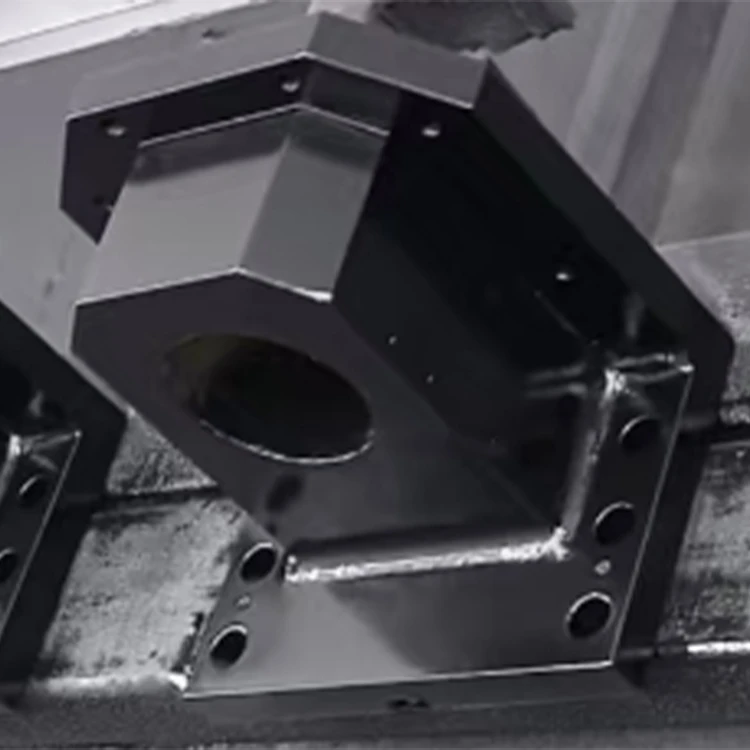
Hexahedral cavities are used in various industrial applications, such as molds and tooling. The thermal conductivity of the cast carbon steel used to manufacture these Hexahedral Cavity parts is crucial for ensuring uniform cooling and preventing thermal stress during the manufacturing process.
During the casting or molding process, the molten metal or plastic is poured into the hexahedral cavity. The heat needs to be transferred out of the cavity quickly and evenly to ensure the proper solidification of the material. If the thermal conductivity of the cast carbon steel is too low, the cooling rate may be uneven, resulting in defects such as warping and cracking. By using cast carbon steel with appropriate thermal conductivity, the heat can be effectively transferred, producing high-quality hexahedral cavity parts.
Conclusion
In conclusion, the thermal conductivity of cast carbon steel parts has a profound impact on their applications in various industries. From high-temperature applications to heat treatment processes, welding, and heat exchangers, the ability of the material to conduct heat efficiently is essential for ensuring the performance, reliability, and safety of the components.
As a supplier of cast carbon steel parts, I am committed to providing high-quality products with optimized thermal conductivity to meet the specific needs of my customers. By understanding the relationship between thermal conductivity and the applications of cast carbon steel parts, I can work closely with my customers to select the right materials and manufacturing processes, ensuring the best possible performance of their products.
If you are in need of cast carbon steel parts for your industrial applications, I encourage you to contact me for a detailed discussion. I have the expertise and experience to help you choose the most suitable cast carbon steel parts based on your requirements. Let's work together to achieve your goals and ensure the success of your projects.
References
- ASM Handbook Volume 1: Properties and Selection: Irons, Steels, and High-Performance Alloys. ASM International.
- Callister, W. D., & Rethwisch, D. G. (2011). Materials Science and Engineering: An Introduction. Wiley.
- Davis, J. R. (Ed.). (1997). Heat Treating of Irons and Steels. ASM International.


