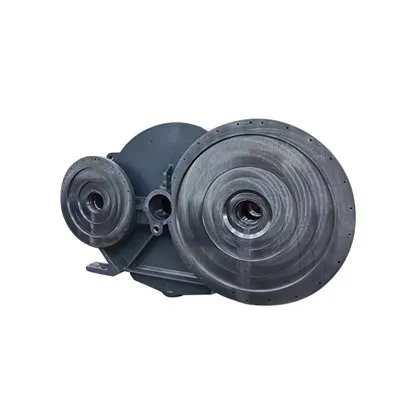
Yo, what's up everyone! I'm a supplier of Mounting Base Plates, and today I wanna talk about something super important: low-temperature-resistant materials for these base plates.
When it comes to mounting base plates, choosing the right material that can withstand low temperatures is crucial. It can make a huge difference in the performance and longevity of the equipment they support. So, let's dive into some of the top low-temperature-resistant materials out there.
Stainless Steel
Stainless steel is a go-to choice for many applications, especially when low temperatures are involved. It's got some amazing properties that make it suitable for mounting base plates.


First off, stainless steel has excellent corrosion resistance. Even in cold and sometimes wet environments, it won't rust easily. This is a big plus because rust can weaken the base plate over time. There are different grades of stainless steel, like 304, 316, and 406. Each grade has its own characteristics, but they all offer good low-temperature performance.
For example, 304 stainless steel is widely used. It's relatively affordable and has good strength and ductility at low temperatures. 316 stainless steel, on the other hand, contains molybdenum, which gives it even better corrosion resistance, especially in marine or chemical environments. And 406 stainless steel has a higher chromium content, making it more resistant to oxidation.
If you're interested in stainless steel parts, you can check out these links: Stainless Steel Parts Pipeline, Stainless Steel Parts Valve Body, and Stainless Steel Parts I-beam. These links can give you more info about the different stainless steel parts available.
Aluminum Alloys
Aluminum alloys are another great option for low-temperature mounting base plates. They're lightweight, which can be a huge advantage in some applications. For example, in aerospace or automotive industries, where weight reduction is a key factor.
Aluminum alloys also have good thermal conductivity. This means they can dissipate heat quickly, which is important in low-temperature environments where heat transfer can be a challenge. They're also relatively easy to machine, so you can get the base plates in the exact shape and size you need.
However, one thing to note is that aluminum alloys may not have the same strength as stainless steel at extremely low temperatures. But for most normal low-temperature applications, they work just fine.
Nickel Alloys
Nickel alloys are known for their outstanding low-temperature performance. They can maintain their strength and toughness even at very cold temperatures. This makes them ideal for applications in extremely cold regions, like the Arctic or Antarctic.
One of the most well-known nickel alloys is Inconel. It has excellent corrosion resistance, high strength, and good fatigue resistance. These properties make it suitable for mounting base plates in harsh low-temperature environments, such as in oil and gas exploration equipment.
But nickel alloys can be quite expensive compared to stainless steel and aluminum alloys. So, you need to consider your budget and the specific requirements of your application before choosing them.
Titanium Alloys
Titanium alloys are also worth mentioning. They have a high strength-to-weight ratio, which means they're strong but lightweight at the same time. This makes them suitable for applications where both strength and weight are important factors.
Titanium alloys also have good corrosion resistance, especially in acidic or alkaline environments. They can withstand low temperatures without losing their mechanical properties. However, like nickel alloys, titanium alloys are relatively expensive and can be difficult to machine.
Factors to Consider When Choosing a Material
Now that we've talked about some of the low-temperature-resistant materials, let's discuss some factors you need to consider when choosing a material for your mounting base plates.
- Temperature Range: First and foremost, you need to know the exact temperature range your base plates will be exposed to. Different materials have different temperature limits. For example, some materials may start to become brittle at very low temperatures, while others can maintain their ductility.
- Corrosion Resistance: If your base plates will be in a corrosive environment, like in a marine or chemical plant, you need to choose a material with good corrosion resistance. Stainless steel, aluminum alloys, and titanium alloys are all good choices in this regard.
- Strength Requirements: The strength of the material is also important. You need to make sure the base plate can support the weight and load of the equipment it's holding. If you're dealing with heavy machinery, you may need a stronger material like stainless steel or nickel alloys.
- Cost: Cost is always a factor. You need to balance the performance of the material with your budget. Sometimes, a more expensive material may offer better performance, but it may not be necessary for your application.
How We Can Help
As a supplier of Mounting Base Plates, we have a lot of experience in choosing the right materials for different applications. We can help you select the most suitable low-temperature-resistant material based on your specific requirements.
We have a wide range of materials in stock, including stainless steel, aluminum alloys, nickel alloys, and titanium alloys. We can also customize the base plates according to your design specifications. Whether you need a simple rectangular base plate or a complex-shaped one, we can make it for you.
If you're interested in our products or have any questions about low-temperature-resistant materials for mounting base plates, feel free to reach out to us. We're here to help you make the right choice and ensure the success of your project.
In conclusion, choosing the right low-temperature-resistant material for your mounting base plates is crucial. There are several options available, each with its own advantages and disadvantages. By considering factors like temperature range, corrosion resistance, strength requirements, and cost, you can make an informed decision. And if you need any assistance, don't hesitate to contact us.
References
- ASM Handbook Volume 2: Properties and Selection: Nonferrous Alloys and Special-Purpose Materials
- Metals Handbook Desk Edition, Third Edition