

Hey there! I'm a supplier of Large Steel Casting Boxes, and I've seen firsthand how important proper maintenance is for these heavy - duty pieces. In this blog, I'm gonna walk you through the different kinds of maintenance that large steel casting boxes need to keep them in top - notch condition.
1. Regular Visual Inspections
First off, one of the simplest yet most crucial maintenance steps is regular visual inspections. You don't need fancy tools for this; just your eyes and a bit of time. Look for any signs of cracks, dents, or corrosion on the surface of the large steel casting box. Cracks can start small but can quickly spread under stress, leading to structural failure. Dents might not seem like a big deal at first, but they can weaken the box and make it more prone to damage.
Corrosion is another major enemy. Steel is prone to rust when it comes into contact with moisture and oxygen. Check the corners and edges of the box, as these areas are more likely to collect water and start corroding. If you spot any rust, it's important to address it right away. You can use a wire brush to remove the loose rust and then apply a rust - inhibiting primer and paint.
2. Cleaning
Keeping the large steel casting box clean is essential. Over time, dirt, dust, and debris can accumulate on the surface, which can trap moisture and accelerate corrosion. Use a high - pressure water hose or a cleaning solution to wash away the dirt. For stubborn stains, you might need to use a mild abrasive cleaner.
When cleaning, pay special attention to the internal parts of the box, especially if it has a Hexahedral Cavity. Dirt and debris inside the cavity can interfere with the functionality of any equipment or components that are placed inside the box. Make sure to dry the box thoroughly after cleaning to prevent rust from forming.
3. Lubrication
If your large steel casting box has moving parts, like hinges or joints, lubrication is key. Lubricants reduce friction between the moving parts, which not only makes the parts move more smoothly but also extends their lifespan. Use a high - quality lubricant that is suitable for steel. Apply the lubricant regularly, following the manufacturer's recommendations.
For example, if the box has a Large Steel Casting Shell Cast Steel Joint, proper lubrication will ensure that the joint can move freely without binding or wearing out too quickly. Check the lubrication levels periodically and re - apply as needed.
4. Tightening Fasteners
The fasteners on the large steel casting box, such as bolts and nuts, can loosen over time due to vibrations and normal use. Loose fasteners can compromise the structural integrity of the box. Regularly check all the fasteners and use a wrench to tighten them if necessary.
Make sure not to over - tighten the fasteners, as this can damage the threads or cause the steel to deform. It's a good idea to use a torque wrench to ensure that the fasteners are tightened to the correct specifications.
5. Temperature and Humidity Control
Large steel casting boxes are sensitive to temperature and humidity changes. Extreme temperatures can cause the steel to expand or contract, which can lead to stress and potentially cause cracks. High humidity levels increase the risk of corrosion.
If possible, store the large steel casting box in a controlled environment. If it's used outdoors, consider using a protective cover to shield it from the elements. You can also use dehumidifiers or heaters in indoor storage areas to maintain optimal temperature and humidity levels.
6. Structural Integrity Testing
Periodically, it's a good idea to conduct structural integrity testing on the large steel casting box. This can involve non - destructive testing methods, such as ultrasonic testing or magnetic particle testing. These tests can detect internal flaws or defects that might not be visible during a visual inspection.
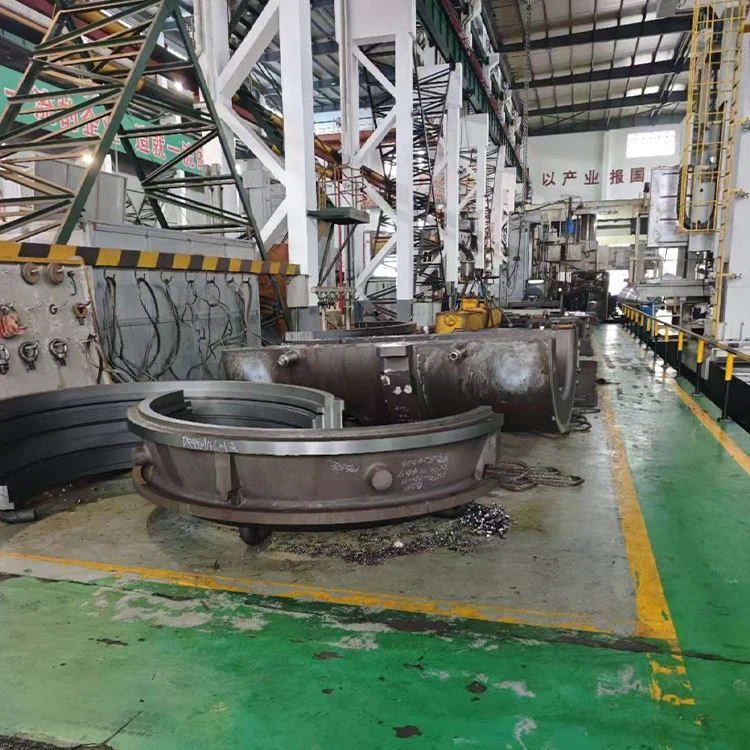

If you're not familiar with these testing methods, you can hire a professional testing service. They have the expertise and equipment to accurately assess the structural integrity of the box. Early detection of internal defects can save you from costly repairs or replacements down the line.
7. Repairs and Replacements
If you find any significant damage during your inspections, don't hesitate to make repairs or replacements. Small cracks can often be welded, but make sure to use a qualified welder who has experience working with steel. For more severe damage, such as a large crack or a broken part, it might be necessary to replace the affected component.
When replacing parts, make sure to use high - quality replacement parts that are compatible with your Large Steel Casting Box. Using sub - standard parts can compromise the performance and safety of the box.
Conclusion
Proper maintenance of large steel casting boxes is crucial for their longevity and performance. By following these maintenance steps, you can ensure that your large steel casting box remains in good condition for years to come. Whether you're using it for industrial equipment storage or other applications, taking care of it will save you time and money in the long run.
If you're in the market for a high - quality large steel casting box or need more information about maintenance, I'd love to chat. Reach out to start a conversation about your specific needs, and let's find the perfect solution for you.
References
- Steel Construction Manual, American Institute of Steel Construction
- Handbook of Steel Castings, ASM International


