

As a supplier of Adapter Base Plates, I often encounter inquiries about the surface finish of these crucial components. The surface finish of an Adapter Base Plate is not just a matter of aesthetics; it plays a vital role in the functionality, durability, and overall performance of the part. In this blog post, I'll delve into the details of what surface finish means for an Adapter Base Plate, its significance, and the different types of surface finishes available.
Understanding Surface Finish
Surface finish refers to the texture and quality of the surface of a manufactured part. It is determined by the manufacturing processes used to create the part, such as machining, grinding, polishing, or coating. The surface finish can have a significant impact on the part's performance, including its friction, wear resistance, corrosion resistance, and appearance.
For an Adapter Base Plate, the surface finish is particularly important because it often comes into contact with other components in a system. A smooth and uniform surface finish can reduce friction and wear, ensuring a longer lifespan for the part and the entire system. Additionally, a high-quality surface finish can improve the part's corrosion resistance, protecting it from damage caused by environmental factors such as moisture and chemicals.
Significance of Surface Finish for Adapter Base Plates
The surface finish of an Adapter Base Plate can affect its performance in several ways:
- Friction and Wear: A smooth surface finish reduces friction between the Adapter Base Plate and other components, minimizing wear and tear. This is especially important in applications where the part is subject to high loads or frequent movement.
- Sealing and Gasketing: A precise surface finish is essential for creating a proper seal between the Adapter Base Plate and other components. A rough or uneven surface can prevent the gasket from forming a tight seal, leading to leaks and potential system failures.
- Corrosion Resistance: A high-quality surface finish can provide a protective barrier against corrosion, extending the lifespan of the Adapter Base Plate. This is particularly important in applications where the part is exposed to harsh environments or chemicals.
- Appearance: While the appearance of the Adapter Base Plate may not be the most critical factor in its performance, it can still be important in certain applications. A smooth and polished surface finish can enhance the overall aesthetics of the part, making it more visually appealing.
Types of Surface Finishes for Adapter Base Plates
There are several types of surface finishes available for Adapter Base Plates, each with its own unique characteristics and benefits. The choice of surface finish depends on the specific requirements of the application, including the level of friction, wear resistance, corrosion resistance, and appearance desired.
Machined Finish
A machined finish is the most common type of surface finish for Adapter Base Plates. It is achieved by using machining processes such as milling, turning, or drilling to remove material from the surface of the part. Machined finishes can vary in roughness, depending on the cutting tools and machining parameters used. A smooth machined finish can provide good friction and wear resistance, as well as a relatively low cost.
Ground Finish
A ground finish is a more precise and smooth surface finish than a machined finish. It is achieved by using grinding wheels to remove material from the surface of the part. Ground finishes can provide excellent friction and wear resistance, as well as a high level of flatness and parallelism. However, grinding is a more expensive process than machining, and it may not be necessary for all applications.
Polished Finish
A polished finish is a very smooth and shiny surface finish that is achieved by using polishing techniques such as buffing or lapping. Polished finishes can provide excellent aesthetics, as well as good corrosion resistance. However, they are also more expensive than machined or ground finishes, and they may not be necessary for all applications.
Coated Finish
A coated finish is a surface finish that is applied to the Adapter Base Plate to provide additional protection or functionality. There are several types of coatings available, including paint, powder coating, electroplating, and anodizing. Coatings can provide excellent corrosion resistance, wear resistance, and aesthetics, but they can also add to the cost of the part.

Choosing the Right Surface Finish for Your Adapter Base Plate
When choosing the right surface finish for your Adapter Base Plate, it's important to consider the specific requirements of your application. Here are some factors to consider:
- Functionality: Consider the level of friction, wear resistance, and corrosion resistance required for your application. A smooth surface finish may be more suitable for applications where friction and wear are a concern, while a coated finish may be more appropriate for applications where corrosion resistance is a priority.
- Appearance: If the appearance of the Adapter Base Plate is important, consider a polished or coated finish. These finishes can provide a more visually appealing look, but they may also be more expensive.
- Cost: The cost of the surface finish is an important factor to consider. Machined finishes are generally the most cost-effective option, while polished and coated finishes can be more expensive.
- Manufacturing Process: The manufacturing process used to create the Adapter Base Plate can also affect the choice of surface finish. Some surface finishes may be more difficult or expensive to achieve depending on the manufacturing process used.
Our Adapter Base Plates and Surface Finishes
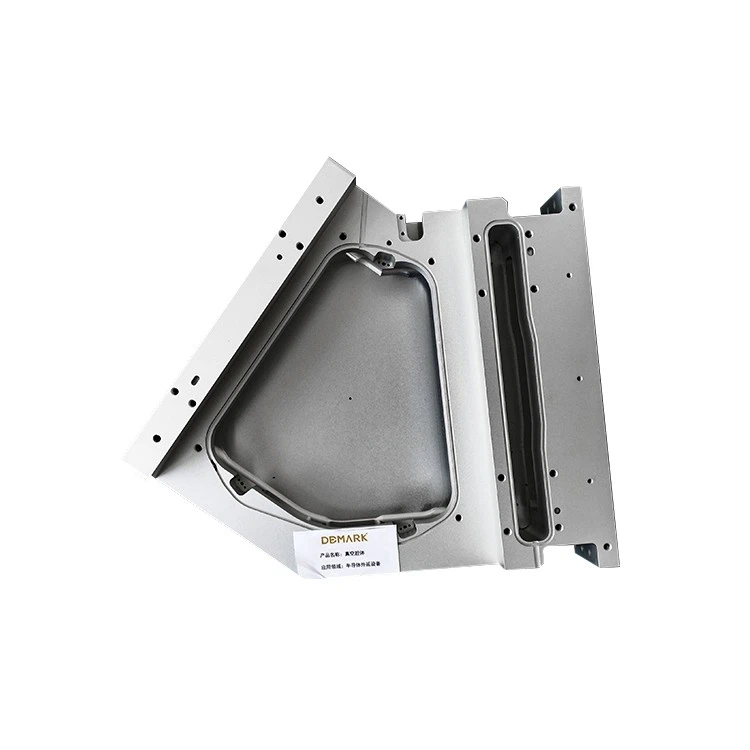
As a supplier of Adapter Base Plates, we offer a wide range of surface finishes to meet the specific requirements of our customers. Our Adapter Base Plates are made from high-quality Aluminum Alloy Parts Base Plate, which provides excellent strength and durability. We use advanced manufacturing processes and equipment to ensure that our Adapter Base Plates have a precise and consistent surface finish.
Whether you need a machined finish for a standard application or a polished or coated finish for a more demanding application, we can provide the right solution for you. Our team of experts can work with you to understand your specific requirements and recommend the best surface finish for your Adapter Base Plate.
Contact Us for Your Adapter Base Plate Needs
If you're in the market for high-quality Adapter Base Plates with the right surface finish for your application, we'd love to hear from you. Our team of experts is available to answer your questions and provide you with a quote. Contact us today to discuss your requirements and learn more about our Adapter Base Plate products.
In addition to Adapter Base Plates, we also offer a range of other non-ferrous metal parts, including Vacuum Chamber. Our products are designed to meet the highest standards of quality and performance, and we are committed to providing our customers with the best possible service.
References
- Callister, W. D., & Rethwisch, D. G. (2017). Materials Science and Engineering: An Introduction. Wiley.
- Schmid, S. M., & Schmid, J. M. (2018). Manufacturing Engineering and Technology. Pearson.
- ASME B46.1-2009, Surface Texture (Surface Roughness, Waviness, and Lay). American Society of Mechanical Engineers.


