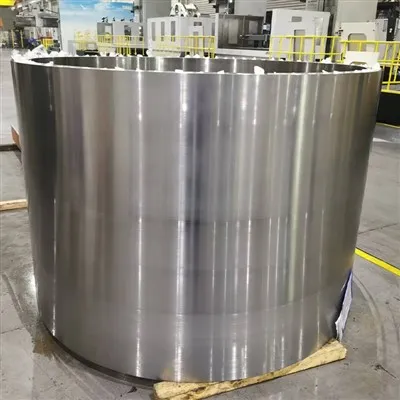
When it comes to industrial applications, large steel casting boxes play a pivotal role in a multitude of sectors, from heavy machinery manufacturing to power generation. As a leading supplier of large steel casting boxes, I am often asked about the heat resistance of these crucial components. In this blog post, I will delve into the factors that determine the heat resistance of large steel casting boxes, the importance of this property in various industries, and how our products stand out in this regard.
Understanding Heat Resistance in Steel Castings
Heat resistance refers to a material's ability to withstand high temperatures without significant degradation of its mechanical properties, such as strength, hardness, and ductility. In the case of large steel casting boxes, heat resistance is essential because they are often exposed to extreme thermal conditions during operation. For instance, in foundries, these boxes may be used to contain molten metal, which can reach temperatures well over 1000°C. In power plants, they may house components that generate a large amount of heat, such as turbines or boilers.
The heat resistance of steel castings is primarily determined by their chemical composition and microstructure. Steel is an alloy of iron and carbon, with other elements such as chromium, nickel, molybdenum, and vanadium often added to enhance its properties. Chromium, for example, forms a protective oxide layer on the surface of the steel, which helps to prevent oxidation and corrosion at high temperatures. Nickel improves the toughness and ductility of the steel, while molybdenum and vanadium increase its strength and hardness.
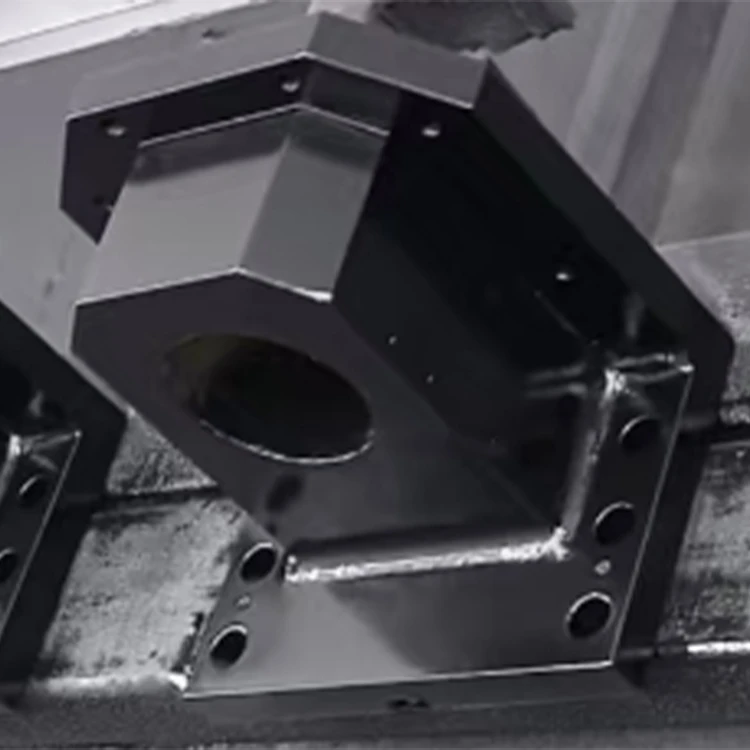

The microstructure of steel also plays a crucial role in its heat resistance. During the casting process, the steel is cooled at a controlled rate to achieve the desired microstructure. A fine-grained microstructure generally provides better heat resistance than a coarse-grained one, as it offers more resistance to the movement of dislocations and the growth of grains at high temperatures.
Importance of Heat Resistance in Different Industries
Foundries
In foundries, large steel casting boxes are used to transport and pour molten metal. The ability of these boxes to withstand high temperatures without deforming or cracking is crucial for ensuring the safety and efficiency of the casting process. If a casting box fails due to inadequate heat resistance, it can lead to spills of molten metal, which can cause serious injuries to workers and damage to equipment.
Power Generation
In power plants, large steel casting boxes are used in a variety of applications, such as housing turbines, boilers, and heat exchangers. These components generate a large amount of heat during operation, and the steel casting boxes must be able to withstand these high temperatures without losing their structural integrity. For example, in a steam turbine, the casting box must be able to withstand the high-pressure steam at temperatures up to 600°C or more.
Heavy Machinery Manufacturing
In the manufacturing of heavy machinery, such as construction equipment and mining machinery, large steel casting boxes are used to support and protect critical components. These components may be exposed to high temperatures due to friction, combustion, or other sources of heat. The heat resistance of the casting boxes ensures that they can maintain their strength and durability under these conditions, thereby extending the lifespan of the machinery.
Our Large Steel Casting Boxes: Exceptional Heat Resistance
As a supplier of large steel casting boxes, we take great pride in the quality and performance of our products. Our casting boxes are made from high-quality steel alloys that are specifically designed to provide excellent heat resistance. We carefully select the chemical composition of the steel to ensure that it contains the right balance of elements to enhance its heat resistance properties.
In addition to the chemical composition, we also pay close attention to the casting process to ensure that the steel has a fine-grained microstructure. This is achieved through a combination of controlled cooling and heat treatment processes. Our state-of-the-art manufacturing facilities are equipped with advanced equipment and technologies that allow us to precisely control the casting process and produce casting boxes with consistent quality and performance.
We offer a wide range of large steel casting boxes, including Connecting Flange, Cylinder Support, and Large Steel Casting Shell Cast Steel Joint. These products are designed to meet the specific requirements of different industries and applications. Whether you need a casting box for a foundry, a power plant, or a heavy machinery manufacturing facility, we have the expertise and experience to provide you with the right solution.
How to Choose the Right Large Steel Casting Box for Your Application
When choosing a large steel casting box, it is important to consider several factors, including the operating temperature, the chemical environment, and the mechanical loads. Here are some tips to help you make the right choice:
Operating Temperature
Determine the maximum operating temperature that the casting box will be exposed to. This will help you select a steel alloy with the appropriate heat resistance properties. For applications with extremely high temperatures, such as those in foundries or power plants, you may need to choose a steel alloy that contains high levels of chromium, nickel, and other heat-resistant elements.
Chemical Environment
Consider the chemical environment in which the casting box will be used. If the casting box will be exposed to corrosive substances, such as acids or alkalis, you may need to choose a steel alloy that has good corrosion resistance. In some cases, a protective coating may also be applied to the casting box to enhance its corrosion resistance.
Mechanical Loads
Evaluate the mechanical loads that the casting box will be subjected to, such as weight, pressure, and vibration. This will help you choose a casting box with the appropriate strength and stiffness. You may also need to consider the design of the casting box, such as its shape and thickness, to ensure that it can withstand the mechanical loads without deforming or cracking.
Contact Us for Your Large Steel Casting Box Needs
If you are in the market for high-quality large steel casting boxes with exceptional heat resistance, look no further. As a trusted supplier of casting products, we are committed to providing our customers with the best solutions for their needs. Our team of experts is available to assist you in selecting the right casting box for your application and to answer any questions you may have.
Whether you are a foundry operator, a power plant engineer, or a heavy machinery manufacturer, we have the products and expertise to meet your requirements. Contact us today to discuss your large steel casting box needs and to learn more about our products and services. We look forward to working with you and helping you achieve your goals.
References
- ASM Handbook Volume 1: Properties and Selection: Irons, Steels, and High-Performance Alloys. ASM International.
- Steel Castings Handbook: Properties, Processes, and Applications. The Steel Founders' Society of America.
- Heat Resistant Materials. Edited by Y. Watanabe and T. Sakurai. Elsevier.