

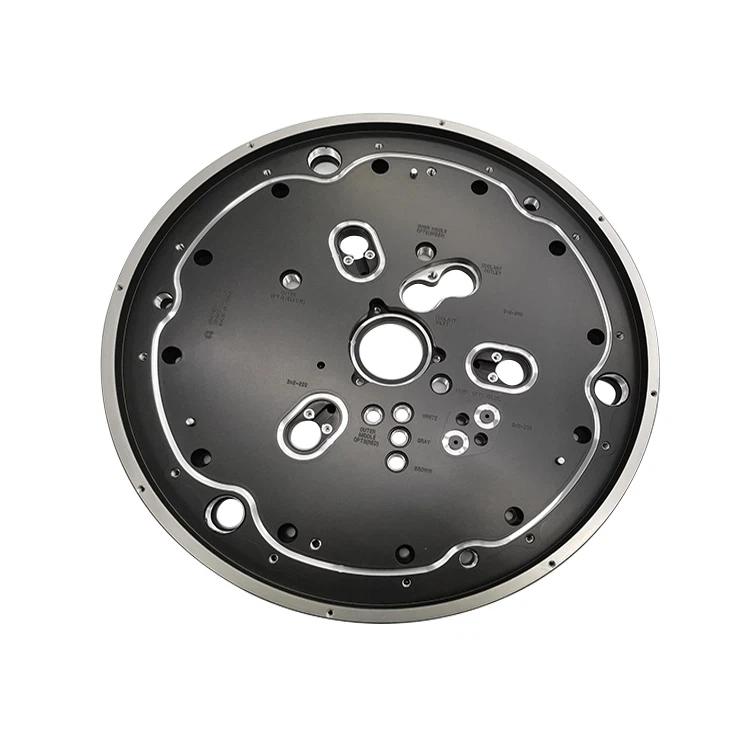
As a dedicated supplier of Adapter Base Plates, I often receive inquiries regarding the electrical conductivity of these essential components. Electrical conductivity is a fundamental property that plays a crucial role in various applications, and understanding it is vital for making informed decisions when selecting an Adapter Base Plate.
What is Electrical Conductivity?
Electrical conductivity, denoted by the symbol σ (sigma), is a measure of a material's ability to conduct an electric current. It is the reciprocal of electrical resistivity (ρ), which measures how strongly a material opposes the flow of electric current. The SI unit of electrical conductivity is siemens per meter (S/m).
Materials with high electrical conductivity allow electrons to move freely through them, facilitating the efficient transfer of electrical energy. Metals are generally good conductors of electricity due to the presence of free electrons that can move easily in response to an applied electric field. On the other hand, insulators have very low electrical conductivity, meaning they resist the flow of electric current.
Electrical Conductivity of Adapter Base Plates
The electrical conductivity of an Adapter Base Plate depends primarily on the material from which it is made. Common materials used for Adapter Base Plates include metals such as aluminum, copper, and steel, each with its own unique electrical conductivity properties.
Aluminum
Aluminum is a popular choice for Adapter Base Plates due to its excellent combination of electrical conductivity, lightweight, and corrosion resistance. Aluminum has an electrical conductivity of approximately 3.5 × 10⁷ S/m at room temperature, which is about 60% that of copper. While not as conductive as copper, aluminum offers significant advantages in terms of weight and cost, making it a preferred material for many applications.
The high electrical conductivity of aluminum allows for efficient transmission of electrical signals and power, making it suitable for use in electronic devices, power distribution systems, and automotive applications. Additionally, aluminum's lightweight nature makes it ideal for applications where weight reduction is a critical factor, such as aerospace and portable electronics.
Copper
Copper is one of the best conductors of electricity, with an electrical conductivity of approximately 5.96 × 10⁷ S/m at room temperature. Its high conductivity makes it the material of choice for applications where maximum electrical performance is required, such as high - power electrical systems, electrical wiring, and printed circuit boards.
Adapter Base Plates made of copper can provide superior electrical performance, ensuring minimal power loss and efficient signal transmission. However, copper is more expensive and heavier than aluminum, which may limit its use in applications where cost or weight is a concern.
Steel
Steel is a ferromagnetic metal that is commonly used in structural applications due to its high strength and durability. While steel is not as conductive as aluminum or copper, it still has some electrical conductivity. The electrical conductivity of steel varies depending on its composition and heat treatment, but it is typically in the range of 10⁶ S/m.
Steel Adapter Base Plates are often used in applications where mechanical strength and magnetic properties are important, such as in industrial machinery and electrical enclosures. However, their relatively low electrical conductivity may require additional design considerations to ensure efficient electrical performance.
Factors Affecting Electrical Conductivity
In addition to the material, several other factors can affect the electrical conductivity of an Adapter Base Plate:
Temperature
The electrical conductivity of most metals decreases with increasing temperature. This is because as the temperature rises, the atoms in the metal vibrate more vigorously, which disrupts the flow of electrons and increases the resistance to electrical current. Therefore, it is important to consider the operating temperature range when selecting an Adapter Base Plate to ensure that its electrical performance remains stable.
Alloying Elements
The addition of alloying elements to a metal can significantly affect its electrical conductivity. For example, adding small amounts of other metals to aluminum or copper can improve their mechanical properties but may also reduce their electrical conductivity. Manufacturers must carefully balance the desired mechanical and electrical properties when selecting an alloy for an Adapter Base Plate.
Surface Condition
The surface condition of an Adapter Base Plate can also affect its electrical conductivity. Oxidation, corrosion, or the presence of contaminants on the surface can increase the contact resistance and reduce the overall electrical performance. Proper surface treatment and protection, such as coating or plating, can help maintain the electrical conductivity of the base plate over time.
Applications and Considerations
The electrical conductivity of an Adapter Base Plate is a critical factor in determining its suitability for different applications. Here are some common applications and the corresponding considerations regarding electrical conductivity:
Electronic Devices
In electronic devices, such as smartphones, laptops, and tablets, Adapter Base Plates are used to provide mechanical support and electrical connections. High - conductivity materials like aluminum or copper are preferred to ensure efficient power delivery and signal transmission. Additionally, the base plate's ability to dissipate heat, which is related to its thermal conductivity, is also important to prevent overheating of the electronic components.
Power Distribution Systems
In power distribution systems, Adapter Base Plates are used to connect electrical components and distribute power. Copper is often the material of choice due to its high electrical conductivity, which minimizes power loss and ensures reliable operation. However, in some cases, aluminum may be used as a cost - effective alternative, especially for low - to medium - power applications.

Automotive Industry
In the automotive industry, Adapter Base Plates are used in various electrical and electronic systems, such as engine control units, lighting systems, and battery management systems. Aluminum is a popular choice due to its lightweight and good electrical conductivity, which helps reduce the overall weight of the vehicle and improve fuel efficiency.
When considering the electrical conductivity of an Adapter Base Plate for a specific application, it is important to consult with a professional engineer or supplier. They can provide expert advice on the best material and design options based on the specific requirements of the application, including electrical performance, mechanical strength, and cost.
Related Products
As a supplier, we also offer a range of related products that can complement our Adapter Base Plates. For example, we have Air Extraction Baffle, which can be used in applications where air flow control is required. Our Aluminum Alloy Parts Vacuum Suction Cup is another useful product for handling and positioning components. And our Aluminum Alloy Parts Base Plate provides a solid foundation for various aluminum alloy parts.
Contact for Procurement
If you are interested in our Adapter Base Plates or any of our other products, we encourage you to reach out to us for procurement discussions. We have a team of experts who can provide detailed information about our products, answer your questions, and help you find the best solutions for your specific needs. Whether you need high - conductivity copper base plates for a high - power application or lightweight aluminum base plates for a portable device, we can offer the right products to meet your requirements.
References
- "Electrical Conductivity of Metals." HyperPhysics, Georgia State University.
- "Aluminum: Properties and Applications." ASM International Handbook Committee.
- "Copper: A Versatile Metal." Copper Development Association.


