Hey there! As a supplier of vacuum chambers, I often get asked about the differences between glass and metal vacuum chambers. It's a topic that's super important, especially if you're in the market for one. So, let's dive right in and break down the key differences between these two types of vacuum chambers.
Material and Appearance
First off, let's talk about the obvious difference - the material. Glass vacuum chambers are, well, made of glass. This gives them a transparent look, which is a huge plus in many applications. You can easily see what's going on inside the chamber, whether it's a chemical reaction, a physical process, or just an experiment. It's like having a front - row seat to all the action.
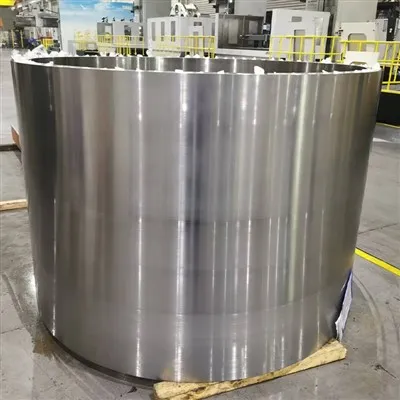
On the other hand, metal vacuum chambers are made of various metals such as stainless steel, aluminum, etc. They have a more industrial and robust appearance. Unlike glass, they're opaque, so you can't directly observe the internal processes. But this isn't always a drawback, as in some cases, you might not need to see inside constantly.
Strength and Durability
When it comes to strength, metal vacuum chambers take the lead. Metals are generally much stronger than glass. They can withstand higher pressure differentials without breaking. This makes them ideal for applications where high - vacuum levels are required or where there might be sudden pressure changes. For example, in some industrial manufacturing processes, the pressure inside the chamber can vary significantly, and a metal chamber can handle these fluctuations better.
Glass, while it can be made quite strong through processes like tempering, is still more fragile than metal. A small impact or a sudden temperature change can cause it to crack or shatter. So, if your work environment is a bit rough or if there's a risk of accidental bumps, a metal chamber might be a safer choice.
Chemical Resistance
Chemical resistance is another important factor. Glass is highly resistant to many chemicals, especially acids and alkalis. This makes it a great option for chemical research and experiments where different substances are being used. You don't have to worry about the chamber reacting with the chemicals inside.
However, the chemical resistance of metal chambers depends on the type of metal. Stainless steel, for instance, has good corrosion resistance, but it may not be suitable for all chemicals. Some strong acids can still corrode stainless steel over time. Aluminum, on the other hand, is more reactive and may need special coatings to improve its chemical resistance.
Heat Transfer
Heat transfer properties also differ between glass and metal. Metal is a good conductor of heat. This means that if you need to heat or cool the contents inside the chamber quickly, a metal chamber can do the job more efficiently. In some manufacturing processes where rapid temperature changes are required, a metal chamber can help speed up the production cycle.
Glass, on the contrary, is a poor conductor of heat. This can be an advantage in situations where you want to maintain a stable temperature inside the chamber. For example, in some scientific experiments where precise temperature control is crucial, a glass chamber can help prevent heat from escaping or entering too quickly.
Cost
Cost is always a consideration when making a purchase. Generally, glass vacuum chambers are less expensive than metal ones, especially for smaller sizes. The raw materials for glass are relatively cheap, and the manufacturing process is also less complex in some cases.
Metal chambers, however, can be more costly. The price of metals like stainless steel and aluminum can fluctuate, and the manufacturing process often involves more steps, such as welding and finishing. But keep in mind that the long - term cost - effectiveness also depends on your specific usage. If a metal chamber lasts longer and can handle more demanding applications, it might be worth the extra investment.
Applications
The choice between glass and metal vacuum chambers also depends on the application. Glass chambers are commonly used in laboratories for scientific research, especially in fields like chemistry and biology. Their transparency allows researchers to closely monitor the experiments. They're also used in some small - scale manufacturing processes where visual inspection is important.
Metal vacuum chambers are widely used in industrial applications. They're found in semiconductor manufacturing, aerospace testing, and large - scale material processing. Their strength and ability to handle high - vacuum conditions make them suitable for these demanding environments.
Accessories
When setting up a vacuum chamber, you'll also need various accessories. For example, an Adapter Base Plate is useful for connecting different components to the chamber. It provides a stable base and helps with the proper installation of other parts.
An Air Extraction Baffle is another important accessory. It helps in the efficient extraction of air from the chamber, ensuring that the desired vacuum level is achieved quickly.
A Support Plate can be used to support the internal components of the chamber, especially in larger or more complex setups. These accessories are available for both glass and metal chambers, but their design and material might vary depending on the type of chamber.
Conclusion
In conclusion, both glass and metal vacuum chambers have their own unique advantages and disadvantages. Glass chambers offer transparency, good chemical resistance, and lower cost, while metal chambers are stronger, more durable, and better for high - performance applications. When choosing between the two, you need to consider factors such as your specific application, budget, and the environment in which the chamber will be used.
If you're in the market for a vacuum chamber and need more information or want to discuss your requirements, feel free to reach out. We're here to help you make the right choice for your needs. Whether it's a glass or metal vacuum chamber, we can provide you with high - quality products and excellent service.


References
- "Vacuum Technology Handbook" by A. Roth
- "Materials Science for Engineers" by J.F. Shackelford