

As a dedicated supplier of support plates, I've delved deep into the critical aspect of corrosion resistance. In this blog, I'll share my knowledge about what corrosion resistance of a support plate truly means, its influencing factors, and its significance in various applications.
Understanding Corrosion Resistance
Corrosion resistance refers to a material's ability to withstand damage caused by chemical reactions with its environment. For support plates, which are often used in diverse settings, this property is crucial for ensuring long - term performance and structural integrity. When a support plate is exposed to moisture, chemicals, or other corrosive agents, it may experience rusting, pitting, or general deterioration. A support plate with high corrosion resistance can maintain its shape, strength, and functionality over an extended period, even in harsh conditions.
Factors Affecting the Corrosion Resistance of Support Plates
Material Composition
The choice of material is the most fundamental factor influencing corrosion resistance. Different metals and alloys have varying degrees of resistance to corrosion. For example, stainless steel is a popular choice for support plates due to its excellent corrosion - resistant properties. It contains chromium, which forms a passive oxide layer on the surface of the steel. This layer acts as a barrier, preventing oxygen and moisture from reaching the underlying metal and thus inhibiting corrosion.
Aluminum alloys are also widely used in support plates. They have a natural oxide layer that provides some level of corrosion protection. However, the composition of the aluminum alloy can significantly affect its corrosion resistance. Alloys like 7075, 6061, and 5083 have different elemental compositions, which result in different corrosion behaviors. For instance, the Aluminum Alloy Parts Vacuum Suction Cup made from specific aluminum alloys needs to have good corrosion resistance to function properly in various environments.
Surface Treatment
Surface treatments can enhance the corrosion resistance of support plates. One common method is coating. Paint coatings can provide a physical barrier between the support plate and the corrosive environment. Zinc coating, also known as galvanizing, is another effective way to protect iron and steel support plates. The zinc layer corrodes sacrificially, protecting the underlying metal.
Anodizing is a popular surface treatment for aluminum support plates. It thickens the natural oxide layer on the aluminum surface, improving its corrosion resistance and wear resistance. The anodized layer can also be dyed for aesthetic purposes or to provide additional protection against UV radiation.
Environmental Conditions
The environment in which the support plate is used plays a significant role in its corrosion rate. Support plates used in coastal areas are exposed to saltwater, which is highly corrosive. The salt in the air and water can accelerate the corrosion process, especially for unprotected metals.
Industrial environments may contain chemicals such as acids, alkalis, and solvents. These substances can react with the support plate material, causing corrosion. For example, support plates used in chemical plants need to be made of materials that can withstand the specific chemicals present in the environment. Indoor environments can also pose corrosion risks, especially if there is high humidity or poor ventilation.
Significance of Corrosion Resistance in Different Applications
Aerospace Industry
In the aerospace industry, support plates need to have extremely high corrosion resistance. Aircraft operate in various environments, from high - altitude cold and dry conditions to humid coastal areas. Corrosion of support plates can compromise the structural integrity of the aircraft, leading to safety hazards. Aluminum alloys are commonly used in aerospace support plates due to their high strength - to - weight ratio and good corrosion resistance. The Air Extraction Baffle in an aircraft is an example of a component that requires reliable corrosion - resistant support plates to ensure proper air flow and system functionality.
Manufacturing Industry
In manufacturing, support plates are used in a wide range of equipment. They may be exposed to cutting fluids, lubricants, and industrial chemicals. Corrosion of these support plates can lead to equipment failure, downtime, and increased maintenance costs. High - quality support plates with good corrosion resistance can ensure the smooth operation of manufacturing equipment and reduce production losses.
Vacuum Systems
Support plates in Vacuum Chamber applications need to be corrosion - resistant to maintain the integrity of the vacuum environment. Any corrosion on the support plates can release particles into the vacuum chamber, which may contaminate the products being processed. Therefore, materials with low outgassing and high corrosion resistance are preferred for these applications.
Testing the Corrosion Resistance of Support Plates
To ensure the quality of support plates, various testing methods are used to evaluate their corrosion resistance.
Salt Spray Test
The salt spray test is a widely used method for simulating the corrosion process in a controlled environment. Support plate samples are placed in a chamber where a saltwater mist is sprayed onto them for a specified period. After the test, the samples are examined for signs of corrosion, such as rust spots or pitting. The results of the salt spray test can provide an indication of how well the support plate will perform in a marine or other corrosive environment.
Electrochemical Testing
Electrochemical testing measures the electrical properties of the support plate material in a corrosive electrolyte. This method can provide information about the corrosion rate, the formation of passive layers, and the susceptibility of the material to localized corrosion. Electrochemical impedance spectroscopy (EIS) is a common electrochemical testing technique that can be used to study the corrosion behavior of support plates at different frequencies.
Ensuring High - Quality Corrosion - Resistant Support Plates
As a support plate supplier, I am committed to providing high - quality products with excellent corrosion resistance. We carefully select materials based on the specific requirements of the application. Our quality control team conducts rigorous testing on all support plates to ensure that they meet or exceed industry standards.
We also offer customized surface treatments to enhance the corrosion resistance of our support plates. Whether it's a simple paint coating or a more advanced anodizing process, we can tailor the surface treatment to the customer's needs.
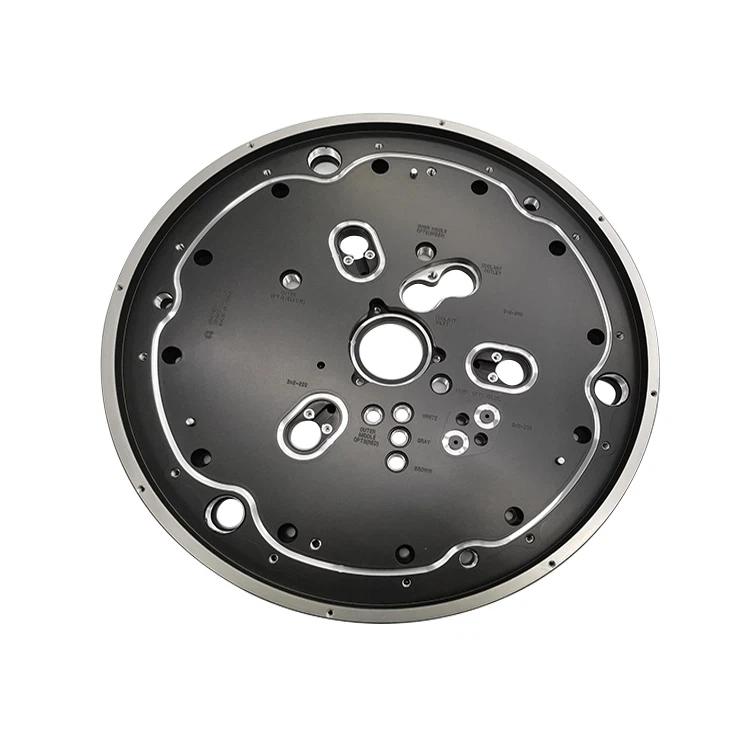

Contact for Purchase and Negotiation
If you are in need of high - quality support plates with excellent corrosion resistance, I encourage you to reach out for a purchase negotiation. We have a wide range of support plates available in different materials, sizes, and specifications to meet your diverse needs. Let's work together to find the best support plate solution for your application.
References
- Fontana, M. G. (1986). Corrosion Engineering. McGraw - Hill.
- Uhlig, H. H., & Revie, R. W. (1985). Corrosion and Corrosion Control. Wiley - Interscience.
- Davis, J. R. (2000). Aluminum and Aluminum Alloys. ASM International.


