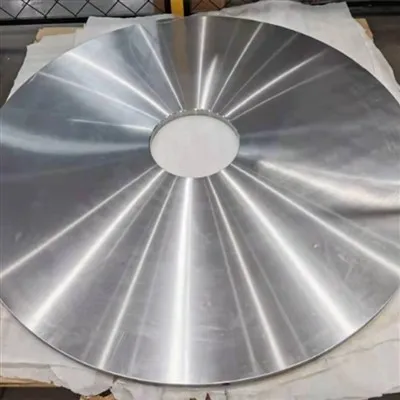
Carbon steel is a widely used material in various industries due to its excellent mechanical properties, affordability, and ease of fabrication. As a leading Carbon Steel Body supplier, I am often asked about the composition of a carbon steel body. In this blog post, I will delve into the key components that make up a carbon steel body, exploring the role of each element and how they contribute to the overall performance of the material.
The Basics of Carbon Steel
Carbon steel is an alloy primarily composed of iron (Fe) and carbon (C), with small amounts of other elements such as manganese (Mn), silicon (Si), sulfur (S), and phosphorus (P). The carbon content in carbon steel typically ranges from 0.05% to 2.1%, which significantly influences the material's properties. As the carbon content increases, the hardness and strength of the steel also increase, while its ductility and weldability decrease.
Key Elements in Carbon Steel
Iron (Fe)
Iron is the base metal of carbon steel, accounting for the majority of its composition. It provides the structural framework for the alloy and imparts basic mechanical properties such as strength and toughness. The crystal structure of iron can exist in different forms, including ferrite, austenite, and martensite, depending on the temperature and alloying elements present. These different crystal structures have a profound impact on the steel's properties, such as hardness, ductility, and corrosion resistance.
Carbon (C)
Carbon is the most important alloying element in carbon steel, as it significantly affects the material's strength, hardness, and wear resistance. When carbon is added to iron, it forms iron carbide (Fe₃C), also known as cementite. The presence of cementite increases the hardness and strength of the steel by impeding the movement of dislocations within the crystal lattice. However, excessive carbon content can make the steel brittle and reduce its weldability and ductility. Therefore, the carbon content in carbon steel is carefully controlled to achieve the desired balance of properties for specific applications.
Manganese (Mn)
Manganese is a common alloying element in carbon steel, typically added in amounts ranging from 0.25% to 1.5%. It serves several important functions in the alloy. Firstly, manganese acts as a deoxidizer, removing oxygen from the molten steel during the refining process to improve its purity and quality. Secondly, it combines with sulfur to form manganese sulfide (MnS), which helps to prevent the formation of iron sulfide (FeS), a brittle compound that can cause hot shortness in the steel. Additionally, manganese enhances the hardenability of the steel, allowing it to achieve higher hardness and strength when heat-treated.


Silicon (Si)
Silicon is another important alloying element in carbon steel, usually present in amounts between 0.1% and 0.5%. It is added as a deoxidizer and a strengthener. Silicon helps to remove oxygen and other impurities from the molten steel, improving its cleanliness and reducing the risk of porosity and other defects. It also enhances the strength and hardness of the steel by solid solution strengthening, where silicon atoms dissolve in the iron lattice and impede the movement of dislocations. Moreover, silicon improves the steel's resistance to oxidation and scaling at high temperatures.
Sulfur (S) and Phosphorus (P)
Sulfur and phosphorus are considered impurities in carbon steel, and their content is typically limited to very low levels. Sulfur can form iron sulfide (FeS), which has a low melting point and can cause hot shortness in the steel, making it prone to cracking during hot working processes such as rolling and forging. Phosphorus, on the other hand, can increase the brittleness of the steel, especially at low temperatures. Therefore, strict control of sulfur and phosphorus content is essential to ensure the quality and performance of the carbon steel.
Other Alloying Elements
In addition to the main elements mentioned above, carbon steel may also contain small amounts of other alloying elements to enhance specific properties. For example, chromium (Cr) can improve the corrosion resistance of the steel, nickel (Ni) can enhance its toughness and ductility, and molybdenum (Mo) can increase its strength and hardenability at high temperatures. These alloying elements are often added in combination to achieve a specific set of properties tailored to the requirements of different applications.
Applications of Carbon Steel Bodies
Carbon steel bodies are used in a wide range of applications across various industries, including automotive, construction, machinery, and manufacturing. Some common examples of carbon steel body applications include:
- Automotive Industry: Carbon steel is used in the manufacturing of automotive components such as frames, body panels, engine parts, and suspension systems. Its high strength, good formability, and affordability make it an ideal material for these applications.
- Construction Industry: Carbon steel is widely used in the construction of buildings, bridges, and other infrastructure projects. It is used for structural members such as beams, columns, and trusses, as well as for reinforcement bars in concrete structures.
- Machinery and Manufacturing: Carbon steel is used in the production of machinery and equipment, including machine tools, industrial robots, and agricultural machinery. Its excellent mechanical properties and machinability make it suitable for a variety of manufacturing processes.
- Energy Industry: Carbon steel is used in the energy sector for the construction of pipelines, storage tanks, and power generation equipment. Its high strength and corrosion resistance make it suitable for transporting and storing various fluids and gases.
Our Carbon Steel Body Products
As a Carbon Steel Body supplier, we offer a wide range of high-quality carbon steel body products to meet the diverse needs of our customers. Our products include Carbon Steel Body, KY2121.1.1.1A Large Bracket 1, and Walking Trolley Frame. These products are manufactured using advanced production techniques and strict quality control measures to ensure their reliability and performance.
Contact Us for Procurement
If you are interested in our carbon steel body products or have any questions about their composition, properties, or applications, please feel free to contact us. We are committed to providing our customers with the highest quality products and excellent customer service. Whether you need a small quantity of custom-made parts or a large-scale production order, we have the expertise and resources to meet your requirements. Let's start a procurement discussion and find the best carbon steel body solutions for your business.
References
- ASM Handbook, Volume 1: Properties and Selection: Irons, Steels, and High-Performance Alloys. ASM International.
- Metals Handbook Desk Edition, 2nd Edition. ASM International.
- Welding Handbook, Volume 1: Welding Science and Technology, 9th Edition. American Welding Society.