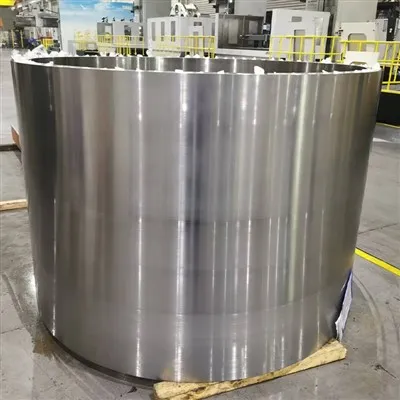
Hey there! As a supplier of aluminum alloy parts, I've come across a common headache for many of us in the industry: the discoloration of aluminum alloy parts. It's a problem that can be a real pain in the neck, but don't worry – I've got some solutions that can help you tackle this issue head - on.
First off, let's understand why discoloration happens. There are a few main culprits. One is oxidation. Aluminum is a reactive metal, and when it comes into contact with oxygen in the air, it forms a thin layer of aluminum oxide. In some cases, this oxidation can cause a change in color. Another factor is environmental exposure. If the parts are exposed to harsh chemicals, high humidity, or extreme temperatures, it can also lead to discoloration. For instance, acidic or alkaline substances can react with the aluminum alloy, leaving it looking less than perfect.
Now, let's dive into the solutions.
Surface Treatment
One of the most effective ways to prevent discoloration is through proper surface treatment. Anodizing is a popular choice. It's a process where an oxide layer is artificially created on the surface of the aluminum alloy. This layer acts as a protective barrier, preventing further oxidation and protecting the part from environmental factors. The anodized layer can also be dyed in different colors, giving your parts an aesthetically pleasing look while also enhancing their durability. For example, if you're supplying Aluminum Alloy Parts Vacuum Chamber, anodizing can ensure that it maintains its appearance even in a vacuum environment.
Another surface treatment option is powder coating. In powder coating, a dry powder is applied to the surface of the aluminum alloy and then cured under heat. This creates a tough, durable finish that resists scratches, chips, and discoloration. It's also available in a wide range of colors and finishes, so you can customize the look of your parts according to your customers' needs. Whether it's an Aluminum Cavity or a Small Base Plate and Optical Frame, powder coating can give it a long - lasting, attractive finish.
Packaging and Storage
How you package and store your aluminum alloy parts can also have a big impact on their color stability. When packaging, use materials that are non - reactive and moisture - resistant. Plastic bags with desiccants can be a great option as they help to keep the parts dry and prevent oxidation. You can also use anti - tarnish paper or film, which contains chemicals that inhibit oxidation.
In terms of storage, make sure to keep the parts in a clean, dry environment. Avoid storing them in areas with high humidity, direct sunlight, or near chemicals. If possible, store the parts in a climate - controlled warehouse. This will help to maintain a stable environment and reduce the risk of discoloration.
Cleaning and Maintenance
Regular cleaning and maintenance are essential for keeping your aluminum alloy parts looking their best. Use a mild detergent and a soft cloth to clean the parts. Avoid using abrasive cleaners or brushes, as they can scratch the surface and make the parts more prone to discoloration. After cleaning, dry the parts thoroughly to prevent water spots and oxidation.


If you notice any signs of discoloration, you can try using a specialized aluminum cleaner. These cleaners are designed to remove stains and oxidation without damaging the surface of the alloy. However, make sure to follow the manufacturer's instructions carefully when using these products.
Quality Control in Production
During the production process, it's crucial to maintain strict quality control. This includes using high - quality raw materials, following proper manufacturing processes, and conducting thorough inspections. Using sub - standard aluminum alloy can increase the risk of discoloration, so make sure to source your materials from reliable suppliers.
Monitor the production environment closely. Factors such as temperature, humidity, and the presence of contaminants can all affect the quality of the parts. By controlling these variables, you can reduce the likelihood of discoloration. Also, conduct regular inspections at different stages of production to catch any potential issues early on.
Coating Selection
Choosing the right coating for your aluminum alloy parts is key. Different coatings have different properties and levels of protection. For example, some coatings are more resistant to UV rays, while others are better at preventing chemical corrosion. Consider the specific application of your parts when selecting a coating. If the parts will be used outdoors, a coating with high UV resistance would be a good choice. On the other hand, if they will be exposed to chemicals, a chemical - resistant coating is necessary.
Environmental Control during Use
Educate your customers about the proper use and environmental conditions for your aluminum alloy parts. Provide them with guidelines on how to prevent discoloration. For example, if the parts are used in a factory environment, make sure they are protected from industrial pollutants. If they are used in a marine environment, they should be regularly cleaned to remove saltwater residues.
By taking these steps, you can significantly reduce the chances of discoloration in your aluminum alloy parts. At our company, we're committed to providing high - quality aluminum alloy parts that meet our customers' expectations. Whether you need Aluminum Alloy Parts Vacuum Chamber, Aluminum Cavity, or Small Base Plate and Optical Frame, we've got you covered.
If you're interested in purchasing our aluminum alloy parts or have any questions about discoloration prevention, don't hesitate to get in touch. We're always here to help you find the best solutions for your needs.
References
- "Aluminum Alloys: Structure and Properties" by John A. Taylor
- "Surface Treatment of Aluminum and Its Alloys" by R. C. Sharma
- Industry reports on aluminum alloy manufacturing and quality control