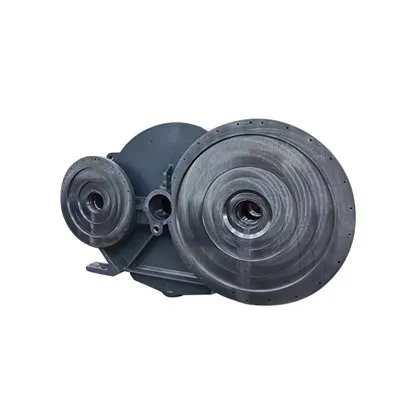
Hey there! As a supplier of large steel casting boxes, I've been knee - deep in the world of pouring system design for these big - time components. Pouring systems play a crucial role in the quality and integrity of large steel casting boxes, so let's dive right in and explore what goes into their design.
First off, what exactly is a pouring system? Well, it's basically the setup that allows molten steel to flow into the mold cavity where the casting will take shape. For large steel casting boxes, getting this system right is super important. A poorly designed pouring system can lead to a whole bunch of issues like porosity, inclusions, and uneven solidification, which can seriously mess up the final product.
One of the key aspects of pouring system design is the choice of the pouring method. There are a few common methods out there, and each has its own pros and cons. Gravity pouring is one of the most straightforward ones. In this method, gravity does the work of getting the molten steel into the mold. It's simple and cost - effective, but it might not be the best for really large casting boxes. The flow rate can be a bit hard to control, and there's a risk of turbulence that can introduce air bubbles and inclusions.
Then there's low - pressure pouring. This method uses a bit of pressure to push the molten steel into the mold. It gives better control over the flow rate and can reduce the chances of turbulence. For large steel casting boxes, this can be a great option as it helps ensure a more even filling of the mold. But it does require some specialized equipment, which can add to the cost.
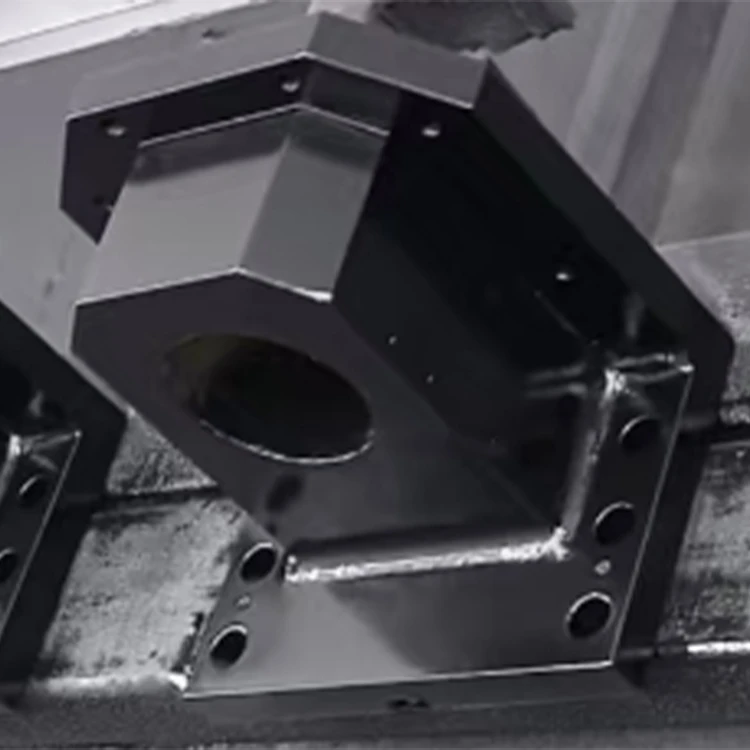

Another important factor in pouring system design is the gating system. The gating system is like the plumbing of the pouring setup. It consists of the sprue, runners, and gates. The sprue is the main channel through which the molten steel enters the system. It needs to be sized correctly to handle the volume of steel required for the large casting box. If it's too small, the flow of steel will be restricted, and if it's too big, it can lead to excessive turbulence.
The runners are the channels that distribute the molten steel from the sprue to the gates. They need to be designed in a way that ensures an even flow of steel to all parts of the mold. For large casting boxes, multiple runners might be needed to ensure that every corner of the box gets filled properly.
The gates are the small openings that connect the runners to the mold cavity. They control the final flow of steel into the mold. The size and location of the gates are crucial. If the gates are too small, the steel might solidify before the mold is fully filled. If they're too big, it can cause problems with the surface finish of the casting.
When it comes to large steel casting boxes, we also have to think about the thermal properties of the steel. Molten steel cools down as it flows through the pouring system and into the mold. For large castings, this cooling process needs to be carefully managed. We can use things like insulating materials around the sprue and runners to slow down the cooling rate. This helps ensure that the steel remains in a molten state long enough to fill the entire mold cavity.
Now, let's talk about some of the products we offer as a large steel casting box supplier. We have some great options like the Grinding Power Head Mount. This is a precision - engineered casting that requires a well - designed pouring system to ensure its quality. The same goes for our Cylinder Support and Connecting Flange. These products need a pouring system that can deliver a high - quality, defect - free casting.
In addition to the basic design elements, we also have to consider the environmental and safety aspects of the pouring system. Molten steel is extremely hot and dangerous. The pouring system needs to be designed in a way that minimizes the risk of spills and splashes. We use safety features like protective shields and proper ventilation to ensure the well - being of our workers.
We also take environmental factors into account. The process of melting and pouring steel can generate a lot of heat and emissions. We try to use energy - efficient equipment and processes to reduce our carbon footprint. For example, we recycle the scrap steel that's generated during the casting process, which not only saves resources but also reduces waste.
When designing the pouring system for large steel casting boxes, we also rely on computer - aided design (CAD) and simulation software. These tools allow us to model the flow of molten steel through the system and predict how the casting will solidify. We can make adjustments to the design before actually pouring the steel, which saves time and money in the long run.
So, if you're in the market for high - quality large steel casting boxes, you need a supplier who knows their stuff when it comes to pouring system design. We've got the experience and the expertise to ensure that your casting boxes are made to the highest standards. Whether you need a Grinding Power Head Mount, a Cylinder Support, or a Connecting Flange, we can help.
If you're interested in learning more about our products or want to discuss your specific requirements for large steel casting boxes, don't hesitate to reach out. We're always happy to have a chat and see how we can meet your needs.
References:
- Campbell, J. (2003). Castings. Butterworth - Heinemann.
- Flemings, M. C. (1974). Solidification Processing. McGraw - Hill.