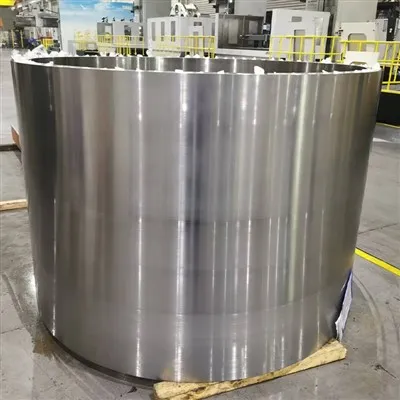
As a leading supplier of aluminum alloy parts, I've often encountered inquiries about joining methods other than welding. Welding is a well - known technique for combining aluminum alloy components, but it's not the only option. In this blog, I'll explore several alternative joining methods that can be effectively used in various applications.
Mechanical Fastening
Mechanical fastening is one of the most straightforward ways to join aluminum alloy parts. This method involves using screws, bolts, nuts, rivets, and pins to hold the components together.
Screws and Bolts
Screws and bolts are versatile fasteners that can be easily installed and removed, which is beneficial for applications requiring disassembly for maintenance or modification. For instance, in the assembly of Small Base Plate and Optical Frame, screws can be used to attach different sections precisely. The key advantage of using screws and bolts is that they can provide a strong and adjustable connection. However, proper torque control is crucial to ensure a secure joint. Over - tightening can damage the aluminum alloy, while under - tightening may result in a loose connection.
Rivets
Rivets are permanent fasteners that are ideal for applications where a vibration - resistant and tamper - proof joint is required. They work by deforming the end of the rivet to create a head on the opposite side, effectively clamping the two parts together. Riveting is commonly used in aircraft and automotive industries. For example, when manufacturing Aluminum Alloy Parts Valve Cover, rivets can be used to attach the cover to the engine block, providing a reliable and leak - resistant seal. The installation of rivets is relatively simple, but it requires specialized tools.
Pins
Pins are used to locate and align components accurately. They can be used in combination with other fastening methods or on their own in applications where a light - duty connection is sufficient. For example, in some precision machinery, pins are used to ensure the correct alignment of Aluminum Alloy Parts Vacuum Chamber components during assembly.
Adhesive Bonding
Adhesive bonding is another popular alternative to welding for joining aluminum alloy parts. It involves using adhesives to bond the surfaces of the components together.
Advantages
One of the main advantages of adhesive bonding is that it can distribute stress evenly across the joint area, reducing the risk of stress concentration. This is particularly important for aluminum alloys, which are prone to cracking under high stress. Adhesive bonding also provides a smooth and aesthetically pleasing finish, as there are no visible fasteners. Additionally, it can be used to join dissimilar materials, such as aluminum alloy and plastic or composite materials.


Types of Adhesives
There are several types of adhesives suitable for bonding aluminum alloy parts, including epoxy, polyurethane, and acrylic adhesives. Epoxy adhesives offer high strength and excellent chemical resistance, making them suitable for a wide range of applications. Polyurethane adhesives provide good flexibility and impact resistance, which is beneficial for applications subject to vibration or shock. Acrylic adhesives cure quickly and have good adhesion to aluminum surfaces.
Surface Preparation
Proper surface preparation is essential for successful adhesive bonding. The aluminum alloy surfaces must be clean, dry, and free of contaminants such as oil, grease, and oxide layers. This can be achieved through processes such as degreasing, sanding, and chemical etching.
Friction Stir Joining
Friction stir joining is a solid - state joining process that can be considered an alternative to traditional welding.
Process
In friction stir joining, a rotating tool with a specially designed pin is inserted into the joint between the two aluminum alloy parts. The friction between the tool and the material generates heat, which softens the aluminum alloy without melting it. The tool then traverses along the joint, stirring and forging the softened material together to form a strong bond.
Advantages
One of the main advantages of friction stir joining is that it produces a high - quality joint with minimal distortion and porosity. This is because the process occurs in the solid state, avoiding the problems associated with melting and solidification in traditional welding. Friction stir joining also has a lower energy consumption compared to welding and can be used to join a wide range of aluminum alloy thicknesses.
Limitations
However, friction stir joining requires specialized equipment and skilled operators. The process is also limited to linear or simple curved joints, and it may not be suitable for complex geometries.
Brazing
Brazing is a joining process that uses a filler metal with a melting point lower than that of the base aluminum alloy parts.
Process
In brazing, the filler metal is heated until it melts and flows into the joint by capillary action. The filler metal then solidifies, creating a strong bond between the two parts. Brazing can be carried out using various heating methods, such as torch heating, furnace heating, or induction heating.
Advantages
Brazing offers several advantages over welding. It can be used to join dissimilar metals and alloys, and it produces a joint with good strength and corrosion resistance. Brazing also allows for precise control of the joint gap, which is important for applications requiring tight tolerances.
Limitations
However, brazing requires careful selection of the filler metal and flux to ensure a good bond. The process also requires proper heat control to avoid overheating the aluminum alloy parts, which can lead to distortion or damage.
Conclusion
In conclusion, there are several joining methods for aluminum alloy parts other than welding. Each method has its own advantages and limitations, and the choice of joining method depends on various factors such as the application requirements, the design of the parts, and the available resources. As an aluminum alloy parts supplier, I can provide expert advice on the most suitable joining method for your specific needs. Whether you need Small Base Plate and Optical Frame, Aluminum Alloy Parts Valve Cover, or Aluminum Alloy Parts Vacuum Chamber, we can help you achieve the best results.
If you're interested in our aluminum alloy parts or need more information about the joining methods, please feel free to contact us for procurement and further discussions.
References
-ASM Handbook, Volume 6: Welding, Brazing, and Soldering, ASM International.
-Perry, D. L., & Lissenden, C. J. (2011). Adhesive Bonding of Aluminum Alloys. In ASM Handbook, Volume 6: Welding, Brazing, and Soldering.
-Thomas, W. M., Nicholas, E. D., Needham, J. C., Murch, M. G., Temple - Smith, P., & Dawes, C. J. (1991). Friction Stir Butt Welding. International Patent Application WO 93/10935.