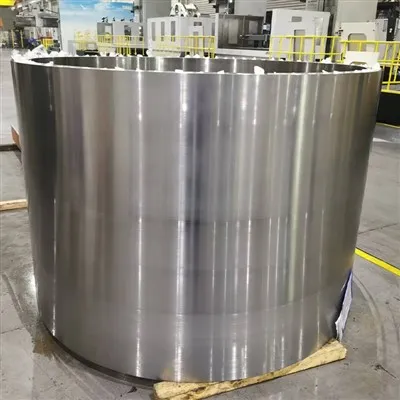
Pouring temperature is a critical parameter in the casting process of aluminum parts, significantly influencing the quality, mechanical properties, and production efficiency of the final products. As a seasoned supplier of casting aluminum parts, I've witnessed firsthand how different pouring temperatures can lead to diverse outcomes in the casting process. In this blog, I'll delve into the various effects of pouring temperature on casting aluminum parts, sharing insights based on my years of experience in the industry.
Impact on Fluidity
One of the most immediate effects of pouring temperature is on the fluidity of the molten aluminum. Fluidity refers to the ability of the molten metal to flow and fill the mold cavity completely. Higher pouring temperatures generally result in better fluidity. When the aluminum is poured at a high temperature, its viscosity decreases, allowing it to flow more easily through the narrow channels and intricate features of the mold. This is particularly crucial for casting parts with complex geometries, such as Casting Aluminum Parts Clamshell. With good fluidity, the molten aluminum can reach all corners of the mold, ensuring that the final part accurately replicates the mold design.
However, excessive pouring temperatures can also have negative consequences. Overly high temperatures can cause the molten aluminum to react more vigorously with the mold material and the surrounding atmosphere. This may lead to the formation of oxide films on the surface of the molten metal, which can reduce fluidity and cause defects in the casting. Additionally, high pouring temperatures increase the energy consumption and the wear and tear on the casting equipment, leading to higher production costs.
On the other hand, pouring at a low temperature can result in poor fluidity. The molten aluminum may not be able to fill the mold completely, leading to incomplete castings or the formation of cold shuts. Cold shuts occur when two streams of molten metal meet but fail to fuse properly, leaving a visible seam or crack in the casting. This can significantly weaken the mechanical properties of the part and render it unsuitable for its intended application.
Influence on Solidification and Microstructure
The pouring temperature also plays a crucial role in the solidification process of the aluminum casting. Solidification is the phase change from the molten state to the solid state, and it has a profound impact on the microstructure and mechanical properties of the final part.
When the pouring temperature is high, the solidification process is slower. This allows more time for the aluminum atoms to arrange themselves into a more ordered structure, resulting in a coarser grain size. Coarse-grained microstructures generally have lower strength and hardness compared to fine-grained structures. They are also more prone to cracking and other defects during the casting process. For example, in the production of Aluminum Casting Housing, a coarse-grained microstructure may compromise the housing's ability to withstand mechanical stress and environmental factors.
Conversely, pouring at a lower temperature promotes faster solidification. The rapid cooling rate restricts the growth of grains, leading to a finer grain size. Fine-grained microstructures offer several advantages, including higher strength, better ductility, and improved corrosion resistance. However, if the pouring temperature is too low, it can cause the formation of a large number of small pores and shrinkage cavities in the casting. These defects can reduce the density and integrity of the part, affecting its performance and reliability.
Effects on Mechanical Properties
The microstructure formed during solidification directly influences the mechanical properties of the casting aluminum parts. As mentioned earlier, the pouring temperature affects the grain size, which in turn impacts the strength, hardness, ductility, and toughness of the part.
In general, parts with a fine-grained microstructure exhibit higher strength and hardness. This is because the smaller grains act as barriers to the movement of dislocations, which are the primary carriers of plastic deformation in metals. By restricting the movement of dislocations, fine-grained structures can resist deformation and fracture more effectively. For applications where high strength and hardness are required, such as in automotive and aerospace components, a lower pouring temperature may be preferred to achieve a fine-grained microstructure.
However, strength is not the only important mechanical property. Ductility, which is the ability of a material to deform plastically before fracturing, is also crucial in many applications. Parts with a coarser grain size tend to have better ductility because the larger grains allow for more extensive plastic deformation. In some cases, a balance between strength and ductility needs to be achieved, and the pouring temperature can be adjusted accordingly.
Impact on Defects and Quality
Pouring temperature can also have a significant impact on the occurrence of defects in the casting process. As discussed earlier, improper pouring temperatures can lead to the formation of cold shuts, oxide films, pores, and shrinkage cavities. These defects can reduce the quality and reliability of the casting aluminum parts, increasing the rejection rate and production costs.
For example, high pouring temperatures can cause the molten aluminum to react with the oxygen in the air, forming oxide films on the surface of the casting. These oxide films can act as inclusions, which are foreign particles embedded in the metal matrix. Inclusions can weaken the part and cause stress concentrations, leading to premature failure. Additionally, high temperatures can increase the likelihood of gas porosity, as the solubility of gases in the molten aluminum decreases with increasing temperature. When the molten metal solidifies, the gases are released and form pores in the casting.


On the other hand, low pouring temperatures can result in incomplete filling of the mold and the formation of cold shuts. These defects can be particularly problematic in parts with complex geometries or thin walls, where the molten metal needs to flow over a long distance. Incomplete filling can also lead to the formation of voids and porosity in the casting, reducing its density and mechanical properties.
Considerations for Optimal Pouring Temperature
To achieve the best results in the casting of aluminum parts, it is essential to select the optimal pouring temperature. The optimal pouring temperature depends on several factors, including the alloy composition, the part geometry, the mold material, and the casting process.
Alloy composition plays a significant role in determining the optimal pouring temperature. Different aluminum alloys have different melting points and solidification characteristics, which require different pouring temperatures. For example, some alloys may have a wider solidification range, which means they can be poured at a lower temperature without sacrificing fluidity. Others may require a higher pouring temperature to ensure complete filling of the mold.
The part geometry also affects the pouring temperature. Parts with complex geometries or thin walls generally require a higher pouring temperature to ensure good fluidity and complete filling of the mold. On the other hand, parts with simple geometries and thick walls may be able to be poured at a lower temperature.
The mold material and the casting process also need to be considered. Different mold materials have different thermal conductivities, which can affect the solidification rate of the molten aluminum. For example, metal molds have a higher thermal conductivity than sand molds, which means they can cool the molten metal more quickly. This may require a higher pouring temperature to ensure that the molten metal has enough time to fill the mold before solidifying.
Conclusion
In conclusion, pouring temperature is a critical factor in the casting process of aluminum parts. It affects the fluidity, solidification, microstructure, mechanical properties, and quality of the final products. As a supplier of casting aluminum parts, I understand the importance of carefully controlling the pouring temperature to ensure the production of high-quality parts.
By selecting the optimal pouring temperature based on the alloy composition, part geometry, mold material, and casting process, we can minimize the occurrence of defects, improve the mechanical properties of the parts, and increase the production efficiency. Whether you need Casting Aluminum Parts Clamshell or Aluminum Casting Housing, we have the expertise and experience to provide you with the best casting solutions.
If you are interested in our casting aluminum parts or have any questions about the casting process, please feel free to contact us for a detailed discussion. We are committed to providing you with high-quality products and excellent customer service, and we look forward to the opportunity to work with you on your next project.
References
- Campbell, J. (2003). Castings. Butterworth-Heinemann.
- Flemings, M. C. (1974). Solidification Processing. McGraw-Hill.
- Kalpakjian, S., & Schmid, S. R. (2006). Manufacturing Engineering and Technology. Pearson Prentice Hall.