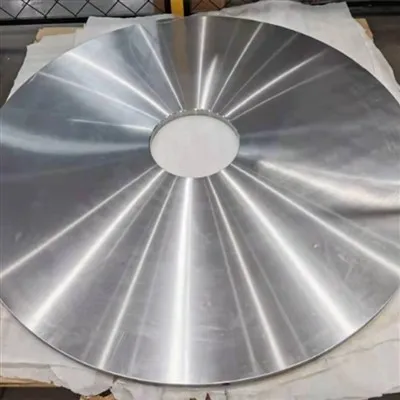
As a supplier of non-ferrous metal parts, I've witnessed firsthand the pivotal role that alloys play in the manufacturing of these components. Non-ferrous metals, which exclude iron and its alloys, offer a diverse range of properties that make them ideal for various applications. In this blog, I'll explore some of the common alloys used in non-ferrous metal parts, highlighting their unique characteristics and applications.
Aluminum Alloys
Aluminum alloys are among the most widely used non-ferrous alloys due to their excellent combination of low density, high strength, and good corrosion resistance. These alloys are commonly used in the automotive, aerospace, and construction industries.
One of the most popular aluminum alloys is 6061. This alloy contains magnesium and silicon as its primary alloying elements, which give it good formability, weldability, and corrosion resistance. 6061 aluminum is often used in structural applications, such as aircraft frames, automotive parts, and bicycle frames.
Another common aluminum alloy is 7075. This alloy is known for its high strength-to-weight ratio and excellent fatigue resistance. 7075 aluminum is commonly used in aerospace applications, such as aircraft wings and fuselages, as well as in high-performance sporting equipment, such as tennis rackets and bicycle components.
Copper Alloys
Copper alloys are valued for their high electrical and thermal conductivity, as well as their excellent corrosion resistance. These alloys are commonly used in electrical and electronic applications, as well as in plumbing and architecture.
Brass is a copper-zinc alloy that is known for its attractive golden color and good machinability. Brass is commonly used in plumbing fixtures, musical instruments, and decorative hardware. For example, our BR-45 Degree Positioning Fixture-JJ-01 is made of high-quality brass, ensuring precise positioning and long-lasting performance.

Bronze is a copper-tin alloy that is known for its high strength, hardness, and wear resistance. Bronze is commonly used in bearings, bushings, and gears, as well as in sculptures and art objects.
Titanium Alloys
Titanium alloys are known for their high strength, low density, and excellent corrosion resistance. These alloys are commonly used in aerospace, medical, and marine applications.
Ti-6Al-4V is one of the most widely used titanium alloys. This alloy contains 6% aluminum and 4% vanadium, which give it a good combination of strength, ductility, and corrosion resistance. Ti-6Al-4V is commonly used in aircraft components, such as landing gear and engine parts, as well as in medical implants, such as hip and knee replacements.
Ti-5Al-2.5Sn is another common titanium alloy. This alloy contains 5% aluminum and 2.5% tin, which give it high strength and good creep resistance at elevated temperatures. Ti-5Al-2.5Sn is commonly used in aerospace applications, such as rocket engine components and aircraft structural parts.
Nickel Alloys
Nickel alloys are known for their high strength, excellent corrosion resistance, and good heat resistance. These alloys are commonly used in aerospace, chemical processing, and power generation applications.
Inconel 625 is a nickel-chromium-molybdenum alloy that is known for its high strength, excellent corrosion resistance, and good weldability. Inconel 625 is commonly used in aerospace applications, such as gas turbine engines and exhaust systems, as well as in chemical processing applications, such as reactors and heat exchangers.
Hastelloy C-276 is another common nickel alloy. This alloy contains nickel, chromium, molybdenum, and tungsten, which give it excellent corrosion resistance in a wide range of corrosive environments. Hastelloy C-276 is commonly used in chemical processing applications, such as sulfuric acid production and pharmaceutical manufacturing.
Magnesium Alloys
Magnesium alloys are known for their low density, high strength-to-weight ratio, and good machinability. These alloys are commonly used in the automotive, aerospace, and electronics industries.
AZ91 is one of the most widely used magnesium alloys. This alloy contains 9% aluminum and 1% zinc, which give it a good combination of strength, ductility, and corrosion resistance. AZ91 is commonly used in automotive applications, such as engine blocks and transmission cases, as well as in electronics applications, such as laptop computer housings and mobile phone frames.
WE43 is another common magnesium alloy. This alloy contains yttrium, neodymium, and other rare earth elements, which give it high strength and good creep resistance at elevated temperatures. WE43 is commonly used in aerospace applications, such as aircraft engine components and helicopter transmission parts.
Conclusion
In conclusion, non-ferrous metal alloys offer a wide range of properties that make them ideal for various applications. As a supplier of non-ferrous metal parts, I'm committed to providing high-quality products that meet the specific needs of my customers. Whether you're looking for aluminum alloys for automotive applications, copper alloys for electrical applications, or titanium alloys for aerospace applications, I have the expertise and resources to deliver the right solution for your project.
If you're interested in learning more about our non-ferrous metal parts or would like to discuss your specific requirements, please don't hesitate to contact me. I look forward to the opportunity to work with you and help you achieve your goals.
References
- Davis, J. R. (Ed.). (1994). Aluminum and Aluminum Alloys. ASM International.
- Schlesinger, M. E., & Paunovic, M. (Eds.). (2000). Modern Electroplating. John Wiley & Sons.
- Lütjering, G., & Williams, J. C. (2007). Titanium. Springer.
- Reed, R. C. (2006). The Superalloys: Fundamentals and Applications. Cambridge University Press.
- Mordike, B. L., & Ebert, T. (2001). Magnesium: Properties - applications - potential. Materials Science and Engineering: A, 302(1 - 2), 37 - 45.