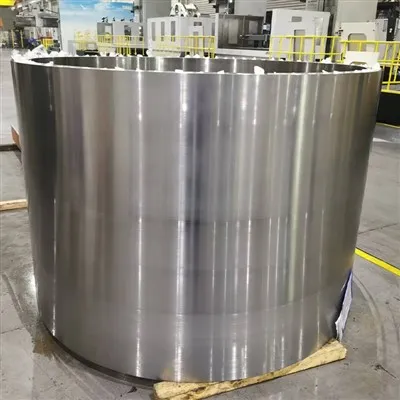
Aluminum alloy parts have emerged as a cornerstone in the energy industry, offering a unique blend of lightweight, high strength, corrosion resistance, and excellent thermal conductivity. As a dedicated supplier of aluminum alloy parts, I've witnessed firsthand the transformative impact these components have on various energy sectors. In this blog, I'll explore the diverse applications of aluminum alloy parts in the energy industry, highlighting their benefits and showcasing real-world examples.
Renewable Energy: Solar and Wind Power
The renewable energy sector, particularly solar and wind power, has seen exponential growth in recent years. Aluminum alloy parts play a crucial role in the construction and operation of solar panels and wind turbines.
Solar Power
Solar panels are the primary component of solar power systems, converting sunlight into electricity. Aluminum alloy frames are commonly used to support and protect solar panels due to their lightweight and corrosion-resistant properties. These frames provide structural integrity, ensuring the panels can withstand harsh environmental conditions such as wind, rain, and snow. Additionally, aluminum's high thermal conductivity helps dissipate heat, improving the efficiency and longevity of the solar panels.
In addition to frames, aluminum alloy parts are also used in the mounting systems of solar panels. These systems secure the panels to rooftops or ground-mounted structures, allowing for optimal sunlight exposure. The lightweight nature of aluminum makes installation easier and more cost-effective, while its durability ensures long-term performance. For example, Aluminum Cavity can be used in the design of solar panel mounting brackets, providing a strong and stable support structure.
Wind Power
Wind turbines are another major application of aluminum alloy parts in the renewable energy sector. These towering structures generate electricity by converting the kinetic energy of the wind into mechanical energy, which is then converted into electrical energy. Aluminum alloy parts are used in various components of wind turbines, including the nacelle, hub, and blades.
The nacelle is the housing that contains the gearbox, generator, and other critical components of the wind turbine. Aluminum alloy is an ideal material for the nacelle due to its lightweight and high strength-to-weight ratio. This reduces the overall weight of the turbine, making it easier to install and operate. Additionally, aluminum's corrosion resistance helps protect the internal components from the harsh outdoor environment.
The hub is the central part of the wind turbine that connects the blades to the main shaft. Aluminum alloy hubs are commonly used due to their excellent mechanical properties and ability to withstand high loads. The lightweight nature of aluminum also helps reduce the rotational inertia of the hub, improving the efficiency of the turbine.


The blades of wind turbines are perhaps the most visible and critical component. Aluminum alloy is increasingly being used in the construction of wind turbine blades due to its high strength, stiffness, and fatigue resistance. These properties allow the blades to withstand the extreme forces and vibrations experienced during operation. For example, Aluminum Alloy Parts Cavity can be used in the design of blade spars, providing additional strength and support.
Energy Storage: Batteries and Fuel Cells
Energy storage is a critical component of the modern energy system, allowing for the efficient use of renewable energy sources and the stabilization of the electrical grid. Aluminum alloy parts are used in various energy storage technologies, including batteries and fuel cells.
Batteries
Lithium-ion batteries are the most common type of rechargeable battery used in portable electronics, electric vehicles, and grid-scale energy storage systems. Aluminum alloy is used in the construction of battery casings and enclosures due to its lightweight, corrosion-resistant, and electrically conductive properties. These casings provide a protective housing for the battery cells, preventing damage from external factors such as moisture, dust, and mechanical impact.
In addition to casings, aluminum alloy parts are also used in the battery management system (BMS) of lithium-ion batteries. The BMS is responsible for monitoring and controlling the charging and discharging of the battery cells, ensuring their safety and performance. Aluminum alloy heat sinks are commonly used in the BMS to dissipate heat generated during operation, improving the efficiency and reliability of the battery.
Fuel Cells
Fuel cells are electrochemical devices that convert chemical energy into electrical energy. Aluminum alloy parts are used in various components of fuel cells, including the bipolar plates, end plates, and flow fields. Bipolar plates are the key component of fuel cells, providing a conductive path for electrons and separating the anode and cathode compartments. Aluminum alloy bipolar plates offer several advantages over traditional graphite bipolar plates, including lower cost, higher conductivity, and better corrosion resistance.
End plates are used to seal the fuel cell stack and provide mechanical support. Aluminum alloy end plates are lightweight and have excellent mechanical properties, making them suitable for use in fuel cells. Flow fields are used to distribute the reactant gases (hydrogen and oxygen) evenly across the surface of the electrodes. Aluminum alloy flow fields can be designed to have complex geometries, allowing for efficient gas distribution and improved fuel cell performance. For example, Aluminum Alloy Parts Vacuum Chamber can be used in the manufacturing process of fuel cell components, ensuring high precision and quality.
Conventional Energy: Oil and Gas
Although the energy industry is shifting towards renewable energy sources, conventional energy sources such as oil and gas still play a significant role in the global energy mix. Aluminum alloy parts are used in various applications in the oil and gas industry, including exploration, production, and refining.
Exploration and Production
In the exploration and production phase of the oil and gas industry, aluminum alloy parts are used in drilling equipment, offshore platforms, and pipelines. Drilling equipment such as drill bits, drill collars, and mud motors require high-strength and wear-resistant materials. Aluminum alloy parts can be designed to have specific properties to meet these requirements, reducing the weight and increasing the efficiency of the drilling process.
Offshore platforms are large structures used for oil and gas exploration and production in the ocean. Aluminum alloy is an ideal material for offshore platforms due to its lightweight, corrosion-resistant, and high strength-to-weight ratio. These properties make it easier to transport and install the platforms, while also reducing the overall cost of construction. Additionally, aluminum's resistance to corrosion helps protect the platform from the harsh marine environment.
Pipelines are used to transport oil and gas from the production site to the refinery or distribution center. Aluminum alloy pipes are increasingly being used in the oil and gas industry due to their lightweight, corrosion-resistant, and easy-to-install properties. These pipes can be used in both onshore and offshore applications, providing a cost-effective and reliable solution for transporting oil and gas.
Refining
In the refining phase of the oil and gas industry, aluminum alloy parts are used in various equipment such as heat exchangers, distillation columns, and storage tanks. Heat exchangers are used to transfer heat between two fluids, such as oil and water. Aluminum alloy heat exchangers offer several advantages over traditional copper or steel heat exchangers, including higher thermal conductivity, lower weight, and better corrosion resistance.
Distillation columns are used to separate the different components of crude oil based on their boiling points. Aluminum alloy distillation columns are lightweight and have excellent mechanical properties, making them suitable for use in large-scale refining operations. Storage tanks are used to store crude oil, refined products, and other chemicals. Aluminum alloy storage tanks are corrosion-resistant and can be designed to have large capacities, providing a safe and reliable storage solution for the oil and gas industry.
Conclusion
In conclusion, aluminum alloy parts have a wide range of applications in the energy industry, from renewable energy sources such as solar and wind power to conventional energy sources such as oil and gas. These parts offer several advantages over traditional materials, including lightweight, high strength, corrosion resistance, and excellent thermal conductivity. As the energy industry continues to evolve and demand for clean and efficient energy solutions increases, the use of aluminum alloy parts is expected to grow even further.
If you're in the energy industry and looking for high-quality aluminum alloy parts, I invite you to contact me for more information. As a trusted supplier of aluminum alloy parts, I have the expertise and experience to provide you with customized solutions that meet your specific requirements. Whether you need parts for solar panels, wind turbines, batteries, fuel cells, or oil and gas equipment, I can help. Let's work together to drive the future of the energy industry with innovative aluminum alloy solutions.
References
- ASM Handbook Committee. (2001). ASM Handbook, Volume 2: Properties and Selection: Nonferrous Alloys and Special-Purpose Materials. ASM International.
- Davis, J. R. (Ed.). (2001). Aluminum and Aluminum Alloys. ASM International.
- Kutz, M. (Ed.). (2013). Handbook of Materials Selection. John Wiley & Sons.