

Hey there! As a supplier of Gray Cast Iron Boxes, I've seen my fair share of damaged ones come through our doors. It can be a real bummer when your trusty cast iron box gets dinged up, but don't worry – I'm here to walk you through the process of repairing it. In this blog post, I'll share some tips and tricks on how to fix a damaged Gray Cast Iron Box like a pro.
Understanding Gray Cast Iron
Before we dive into the repair process, let's take a quick look at what gray cast iron is and why it's so popular. Gray cast iron is a type of iron alloy that contains carbon in the form of graphite flakes. These flakes give the iron its characteristic gray color and make it relatively easy to cast and machine. Gray cast iron is known for its excellent wear resistance, good thermal conductivity, and low cost, which makes it a popular choice for a wide range of applications, including engine blocks, pipes, and of course, boxes.
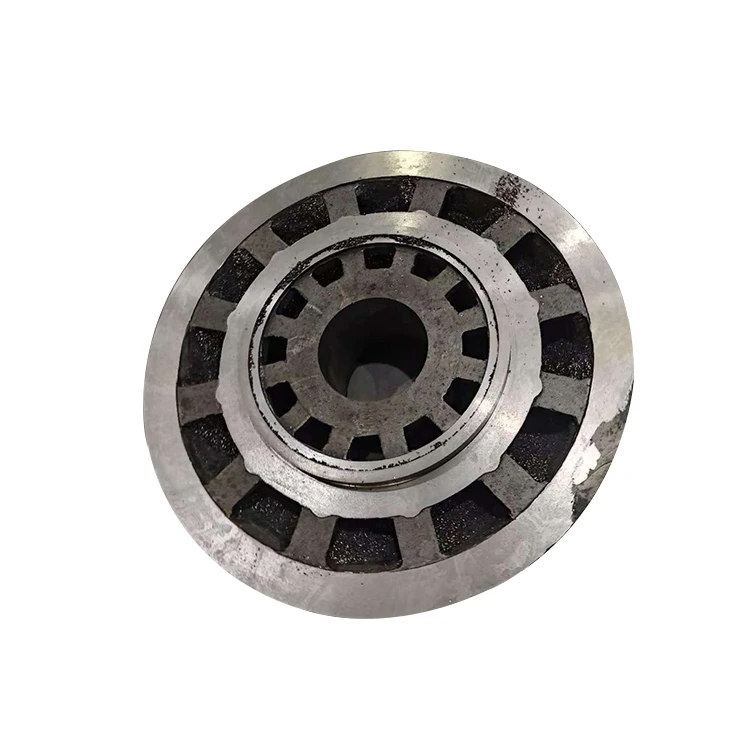

However, gray cast iron is also relatively brittle and can be prone to cracking and chipping. This is especially true if the box is subjected to sudden impacts or temperature changes. If you notice any cracks or chips in your Gray Cast Iron Box, it's important to address them as soon as possible to prevent further damage.
Assessing the Damage
The first step in repairing a damaged Gray Cast Iron Box is to assess the extent of the damage. This will help you determine the best repair method and the materials you'll need. Here are some common types of damage you might encounter:
- Cracks: Cracks can occur due to impact, thermal stress, or fatigue. Small cracks can often be repaired using welding or brazing, while larger cracks may require more extensive repairs.
- Chips and Gouges: Chips and gouges can occur when the box is scratched or hit with a hard object. These can usually be repaired using epoxy or filler materials.
- Holes: Holes can be caused by corrosion, impact, or drilling. Depending on the size and location of the hole, you may be able to patch it using a plug or a patch kit.
Once you've identified the type and extent of the damage, you can start planning your repair strategy.
Repairing Cracks
If your Gray Cast Iron Box has a crack, the first thing you'll need to do is clean the area around the crack to remove any dirt, grease, or debris. You can use a wire brush or a sandblaster to do this. Once the area is clean, you'll need to prepare the crack for welding or brazing.
- Welding: Welding is a common method for repairing cracks in gray cast iron. However, it's important to use the right type of welding rod and technique to avoid further damage. For small cracks, you can use a cast iron welding rod and a TIG (tungsten inert gas) welder. For larger cracks, you may need to use a preheating and post-heating process to prevent the iron from cracking during welding.
- Brazing: Brazing is another option for repairing cracks in gray cast iron. Brazing involves heating the area around the crack and applying a filler metal that melts at a lower temperature than the base metal. This creates a strong bond between the two pieces of metal. Brazing is often preferred over welding for repairing cracks in thin-walled cast iron parts, as it produces less heat and is less likely to cause distortion.
After welding or brazing the crack, you'll need to grind and sand the area to smooth it out and remove any excess material. You can then paint or coat the area to protect it from corrosion.
Repairing Chips and Gouges
If your Gray Cast Iron Box has chips or gouges, you can usually repair them using epoxy or filler materials. Here's how:
- Clean the Area: Use a wire brush or sandpaper to clean the area around the chip or gouge. This will help the epoxy or filler material adhere better.
- Apply the Epoxy or Filler: Follow the manufacturer's instructions to mix the epoxy or filler material. Apply the material to the chip or gouge using a putty knife or a similar tool. Make sure to fill the area completely and smooth it out as much as possible.
- Let the Epoxy or Filler Dry: Allow the epoxy or filler material to dry completely according to the manufacturer's instructions. This may take several hours or even overnight.
- Sand and Finish the Area: Once the epoxy or filler material is dry, use sandpaper to sand the area smooth. You can then paint or coat the area to match the rest of the box.
Repairing Holes
If your Gray Cast Iron Box has a hole, you can patch it using a plug or a patch kit. Here's how:
- Clean the Area: Use a wire brush or sandpaper to clean the area around the hole. This will help the plug or patch kit adhere better.
- Insert the Plug or Patch: If you're using a plug, insert it into the hole and tap it in gently with a hammer. If you're using a patch kit, follow the manufacturer's instructions to apply the patch to the hole. Make sure to press the patch firmly against the surface of the box to ensure a good seal.
- Weld or Braze the Plug or Patch: Once the plug or patch is in place, you can weld or braze it to the box to secure it. Use the same welding or brazing technique as you would for repairing a crack.
- Grind and Sand the Area: After welding or brazing the plug or patch, use a grinder and sandpaper to smooth the area and remove any excess material. You can then paint or coat the area to protect it from corrosion.
Preventing Future Damage
Once you've repaired your Gray Cast Iron Box, it's important to take steps to prevent future damage. Here are some tips:
- Handle with Care: Avoid dropping or hitting the box with hard objects. Use proper lifting and handling techniques to prevent stress and damage.
- Protect from Corrosion: Gray cast iron is prone to corrosion, especially in moist or humid environments. To protect your box from corrosion, you can paint or coat it with a rust-resistant paint or finish.
- Avoid Temperature Changes: Sudden temperature changes can cause gray cast iron to expand and contract, which can lead to cracking and other damage. Try to keep your box in a stable environment and avoid exposing it to extreme temperatures.
Conclusion
Repairing a damaged Gray Cast Iron Box may seem like a daunting task, but with the right tools and techniques, it can be done. By following the steps outlined in this blog post, you can repair cracks, chips, gouges, and holes in your box and restore it to its original condition. Remember to take your time, follow the manufacturer's instructions, and use the right materials for the job.
If you're in the market for a new Gray Cast Iron Box or other Gray Cast Iron Flange and Grey Cast Iron Body products, be sure to check out our website at Gray Cast Iron Box. We offer a wide range of high-quality cast iron products at competitive prices. If you have any questions or need help with your repair, don't hesitate to contact us. We're here to help you get the most out of your Gray Cast Iron Box.
References
- ASM Handbook, Volume 5: Surface Engineering. ASM International, 1994.
- Metals Handbook, Volume 1: Properties and Selection: Irons, Steels, and High-Performance Alloys. ASM International, 1990.
- Welding Handbook, Volume 1: Welding Science and Technology. American Welding Society, 2007.


