

Hey there! As a support plate supplier, I've seen firsthand how rust can be a real headache. Rust not only makes your support plates look bad but also weakens their structure, reducing their lifespan and performance. In this blog, I'm gonna share some practical tips on how to prevent a support plate from rusting.
Understanding Rust
Before we dive into the prevention methods, let's quickly understand what rust is. Rust is basically a form of corrosion that occurs when iron or steel comes into contact with oxygen and moisture. The chemical reaction between these elements forms iron oxide, which we know as rust. Support plates are often made of metals like steel or iron, so they're prone to rusting, especially in humid or corrosive environments.
Choose the Right Material
One of the first steps in preventing rust is to choose the right material for your support plates. Stainless steel is a great option because it contains chromium, which forms a protective layer on the surface of the metal, preventing oxygen and moisture from reaching the iron. This layer is self - healing, so even if it gets scratched, it can reform.
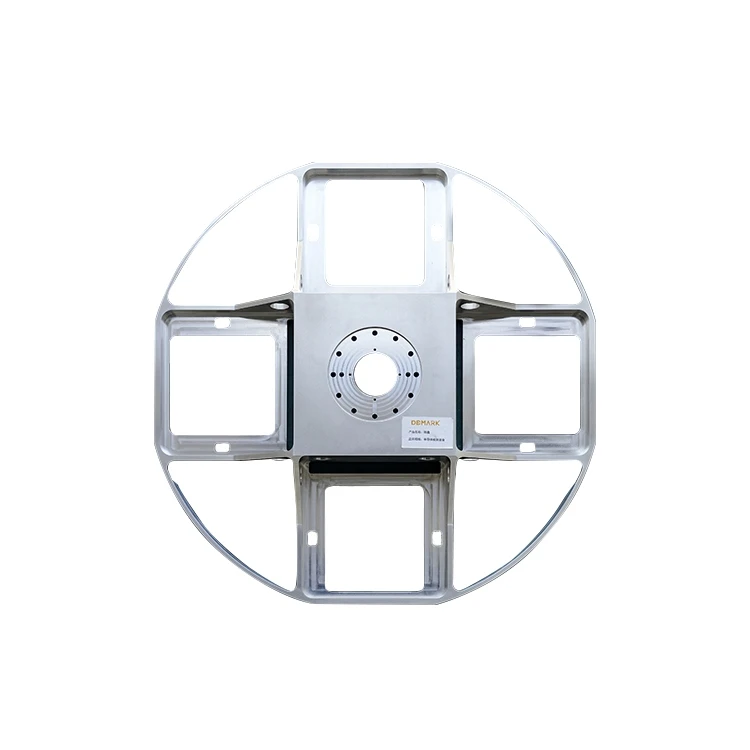
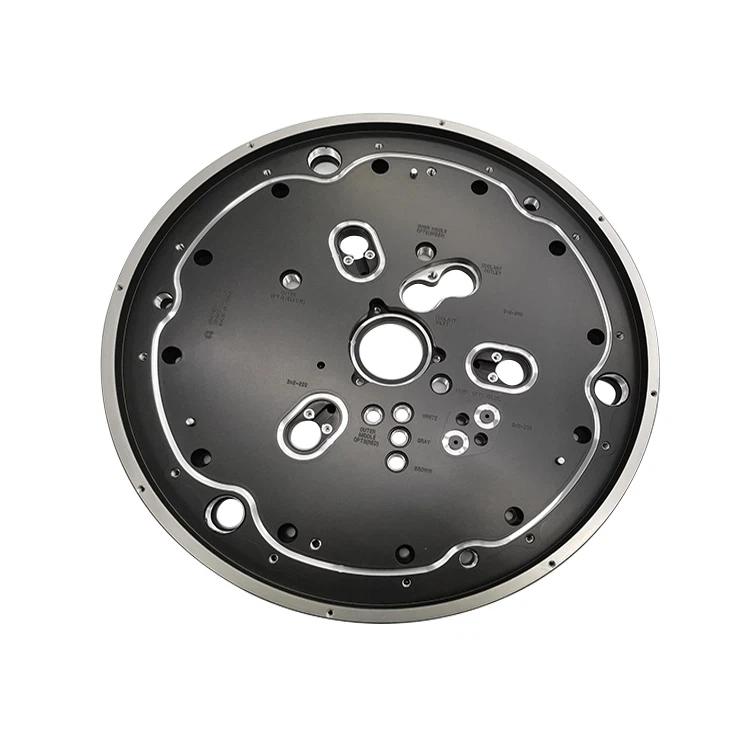
Another option is aluminum. Aluminum doesn't rust like iron or steel because it forms a thin oxide layer on its surface when exposed to air. This layer acts as a barrier, protecting the metal from further corrosion. We offer a variety of aluminum alloy parts, such as the Aluminum Alloy Parts Vacuum Suction Cup, Aluminum Alloy Parts Base Plate, and Aluminum Alloy Parts Turntable, which are highly resistant to rust.
Apply Protective Coatings
Applying a protective coating is an effective way to prevent rust. There are several types of coatings you can choose from:
Paint
Paint is a common and affordable option. It creates a physical barrier between the metal and the environment. Before painting, make sure to clean the support plate thoroughly to remove any dirt, grease, or existing rust. You can use a wire brush or sandpaper to roughen the surface, which helps the paint adhere better. Apply multiple coats of paint for better protection.
Galvanizing
Galvanizing involves coating the support plate with a layer of zinc. Zinc is more reactive than iron, so when the zinc - coated plate is exposed to oxygen and moisture, the zinc corrodes instead of the iron. This process is called sacrificial protection. Galvanized support plates can last for many years without rusting, especially in outdoor or marine environments.
Powder Coating
Powder coating is a more durable alternative to paint. It involves applying a dry powder to the support plate and then baking it in an oven. The powder melts and forms a hard, smooth coating that adheres well to the metal. Powder coating is resistant to chipping, scratching, and fading, and it provides excellent protection against rust.
Control the Environment
The environment where the support plates are stored or used can have a big impact on their rust resistance. Here are some ways to control the environment:
Keep it Dry
Moisture is the enemy when it comes to rust. Make sure to store support plates in a dry place. If possible, use a dehumidifier to reduce the humidity in the storage area. In industrial settings, you can also use ventilation systems to remove moisture from the air.
Avoid Contact with Corrosive Substances
Some substances, such as acids, alkalis, and salts, can accelerate the rusting process. Keep support plates away from these substances. If the plates are used in an environment where they may come into contact with corrosive materials, consider using additional protective measures, such as enclosures or covers.
Regular Maintenance
Regular maintenance is key to preventing rust. Here are some maintenance tasks you should perform:

Inspect Regularly
Check your support plates regularly for signs of rust. Look for small spots or discoloration on the surface. If you notice any rust, address it immediately before it spreads.
Clean and Lubricate
Clean the support plates periodically to remove dirt, dust, and other contaminants. You can use a mild detergent and water to clean the plates. After cleaning, dry them thoroughly. Lubricating the moving parts of the support plates can also help prevent rust by reducing friction and protecting the metal surface.
Conclusion
Preventing a support plate from rusting requires a combination of choosing the right material, applying protective coatings, controlling the environment, and performing regular maintenance. By following these tips, you can extend the lifespan of your support plates and ensure they perform at their best.
If you're interested in purchasing high - quality support plates or any of our aluminum alloy parts, such as the Aluminum Alloy Parts Vacuum Suction Cup, Aluminum Alloy Parts Base Plate, or Aluminum Alloy Parts Turntable, feel free to reach out for a procurement discussion.
References
- Corrosion Basics: Understanding the Fundamentals of Rust, National Association of Corrosion Engineers (NACE).
- Materials Selection for Corrosion Resistance, ASM International.
- Maintenance Guide for Metal Components, Industrial Maintenance Magazine.


