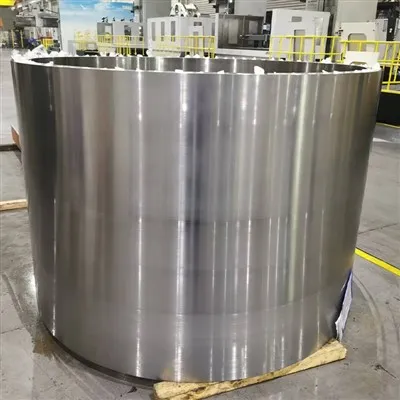
As a seasoned supplier of aluminum alloy parts, I understand the critical importance of surface finish in the manufacturing industry. A superior surface finish not only enhances the aesthetic appeal of aluminum alloy parts but also improves their functionality, durability, and corrosion resistance. In this blog post, I will share some practical tips and techniques on how to improve the surface finish of aluminum alloy parts based on my years of experience in the field.
Understanding the Basics of Surface Finish
Before diving into the methods of improving surface finish, it's essential to understand what surface finish is and why it matters. Surface finish refers to the texture and quality of the surface of a manufactured part. It is typically measured in terms of roughness, waviness, and lay. Roughness refers to the fine irregularities on the surface, while waviness refers to the larger, more gradual deviations from a perfectly flat surface. Lay refers to the direction of the predominant surface pattern.


A good surface finish is crucial for several reasons. First, it can improve the part's appearance, making it more visually appealing. Second, it can enhance the part's functionality. For example, a smooth surface finish can reduce friction and wear, improve sealing performance, and prevent the accumulation of dirt and debris. Third, it can increase the part's corrosion resistance. A smooth surface is less likely to trap moisture and other corrosive substances, which can extend the part's lifespan.
Selecting the Right Aluminum Alloy
The choice of aluminum alloy can significantly impact the surface finish of the final part. Different aluminum alloys have different chemical compositions and physical properties, which can affect how they respond to various finishing processes. For example, some alloys are more prone to corrosion or oxidation, which can result in a poor surface finish.
When selecting an aluminum alloy for a specific application, consider factors such as the required strength, ductility, machinability, and corrosion resistance. For parts that require a high - quality surface finish, alloys with a low impurity content are generally preferred. Alloys like 6061 and 7075 are popular choices in many industries due to their good combination of strength, machinability, and surface finish characteristics.
Machining Processes
Machining is one of the most common methods for producing aluminum alloy parts, and it can have a significant impact on the surface finish. Here are some key considerations in machining to achieve a better surface finish:
Cutting Tools
The choice of cutting tools is crucial. High - quality cutting tools with sharp edges can produce a smoother surface finish. Carbide cutting tools are often preferred for machining aluminum alloys because they can maintain their sharpness for longer periods compared to high - speed steel tools. Additionally, the geometry of the cutting tool, such as the rake angle and clearance angle, can also affect the surface finish. A proper rake angle can reduce cutting forces and prevent chip buildup, while an appropriate clearance angle can prevent the tool from rubbing against the workpiece.
Cutting Parameters
Optimizing cutting parameters is essential for achieving a good surface finish. Parameters such as cutting speed, feed rate, and depth of cut need to be carefully selected. Generally, a higher cutting speed and a lower feed rate can result in a smoother surface finish. However, these parameters also need to be balanced with the material properties and the capabilities of the machining equipment. For example, if the cutting speed is too high, it can cause excessive heat generation, which may lead to tool wear and a poor surface finish.
Coolant and Lubrication
Using the right coolant and lubrication can also improve the surface finish. Coolants can help to reduce heat and friction during machining, which can prevent tool wear and improve the surface quality. They can also flush away chips, preventing them from scratching the workpiece surface. Lubricants can further reduce friction and improve the flow of chips, resulting in a smoother surface finish.
Surface Treatment Processes
In addition to machining, various surface treatment processes can be used to improve the surface finish of aluminum alloy parts.
Anodizing
Anodizing is a popular surface treatment process for aluminum alloys. It involves creating an oxide layer on the surface of the aluminum part through an electrochemical process. Anodizing can improve the surface hardness, corrosion resistance, and wear resistance of the part. It can also provide a smooth and uniform surface finish. There are different types of anodizing processes, such as sulfuric acid anodizing and hard anodizing, which can be selected based on the specific requirements of the part. For example, hard anodizing can produce a thicker and harder oxide layer, which is suitable for parts that require high wear resistance.
Polishing
Polishing is a mechanical process that involves using abrasive materials to remove small amounts of material from the surface of the part, resulting in a smooth and shiny finish. There are different levels of polishing, from coarse polishing to fine polishing. Coarse polishing is used to remove larger surface defects, while fine polishing is used to achieve a mirror - like finish. Polishing can be done by hand or using automated polishing equipment. However, it is important to note that polishing can be a time - consuming and labor - intensive process, especially for complex - shaped parts.
Electroplating
Electroplating can also be used to improve the surface finish of aluminum alloy parts. In electroplating, a thin layer of metal, such as nickel or chrome, is deposited on the surface of the aluminum part through an electrochemical process. Electroplating can improve the part's corrosion resistance, wear resistance, and appearance. It can also provide a smooth and uniform surface finish. However, electroplating requires careful preparation of the workpiece surface to ensure good adhesion of the plating layer.
Quality Control
Quality control is an essential part of the process to ensure a high - quality surface finish. Implementing a comprehensive quality control system can help to identify and correct any issues early in the manufacturing process.
Inspection Tools
Use appropriate inspection tools to measure the surface finish of the parts. Tools such as surface profilometers can measure the roughness, waviness, and other surface characteristics of the part. Visual inspection can also be used to detect any obvious surface defects, such as scratches, pits, or discoloration.
Process Monitoring
Monitor the manufacturing processes closely to ensure that they are operating within the specified parameters. This can include monitoring cutting parameters during machining, chemical concentrations during surface treatment processes, and other relevant variables. By detecting and correcting any deviations from the optimal process conditions, you can maintain a consistent surface finish.
Conclusion
Improving the surface finish of aluminum alloy parts requires a combination of proper material selection, optimized machining processes, appropriate surface treatment methods, and effective quality control. As a supplier of aluminum alloy parts, I am committed to providing high - quality products with excellent surface finishes. Whether you need Aluminum Alloy Parts Vacuum Chamber, Small Base Plate and Optical Frame, or Aluminum Alloy Parts Cavity, we have the expertise and resources to meet your requirements.
If you are interested in our aluminum alloy parts or have any questions about surface finish improvement, please feel free to contact us for a procurement discussion. We look forward to working with you to achieve your manufacturing goals.
References
- ASM Handbook Volume 5: Surface Engineering. ASM International.
- Machining Aluminum: A Practical Guide. Society of Manufacturing Engineers.
- Aluminum Alloys: Structure and Properties. Elsevier.