

Hey there! As a supplier of vacuum chambers, I've seen my fair share of emergencies. Vacuum chambers are super useful in all sorts of industries, from research labs to manufacturing plants. But like any piece of equipment, they can run into problems. In this blog, I'll share some tips on how to deal with emergencies when using a vacuum chamber.
1. Leakage Emergencies
One of the most common issues with vacuum chambers is leakage. A leak can mess up the whole vacuum process and even damage the chamber. So, how do you spot and fix a leak?
First off, you need to know the signs. If you notice that the vacuum level isn't getting as low as it should or if it's dropping too quickly, there's probably a leak. Another sign is if you hear a hissing sound coming from the chamber.
Once you suspect a leak, the next step is to find it. You can use a leak detector, which is a handy tool that can pinpoint the exact location of the leak. Some detectors work by spraying a special gas around the chamber and then detecting where the gas is leaking out.
If you find a small leak, you might be able to fix it with a sealant. There are different types of sealants available, so make sure you choose one that's suitable for your vacuum chamber. But if the leak is big, you'll probably need to replace the faulty part. For example, if the Air Extraction Baffle is damaged and causing the leak, you'll have to get a new one.
2. Overheating Emergencies
Overheating can also be a major problem in vacuum chambers. This can happen if the equipment is running for too long without a break or if there's a problem with the cooling system.
The first thing you should do if you notice the chamber is overheating is to turn it off immediately. Continuing to run an overheated chamber can cause serious damage to the components.
Next, check the cooling system. Make sure the coolant is at the right level and that the cooling fans are working properly. If the coolant is low, top it up. And if the fans aren't working, you might need to replace them.
Sometimes, overheating can be caused by a blockage in the ventilation system. Check the vents and remove any debris that might be blocking the airflow.
3. Electrical Emergencies
Electrical problems are always a concern when dealing with any kind of equipment, and vacuum chambers are no exception. If you experience an electrical emergency, such as a short circuit or a power surge, it's crucial to act fast.
The first step is to cut off the power supply to the chamber. This will prevent any further damage and reduce the risk of electrical shock.
After that, don't try to fix the electrical problem yourself unless you're a qualified electrician. Electrical systems can be very dangerous, and it's best to leave the repairs to the professionals.
It's also a good idea to have a backup power supply in case of a power outage. This can help prevent data loss and damage to the chamber.
4. Component Failure Emergencies
Components in a vacuum chamber can fail for various reasons, such as wear and tear or manufacturing defects. When a component fails, it can affect the performance of the whole chamber.

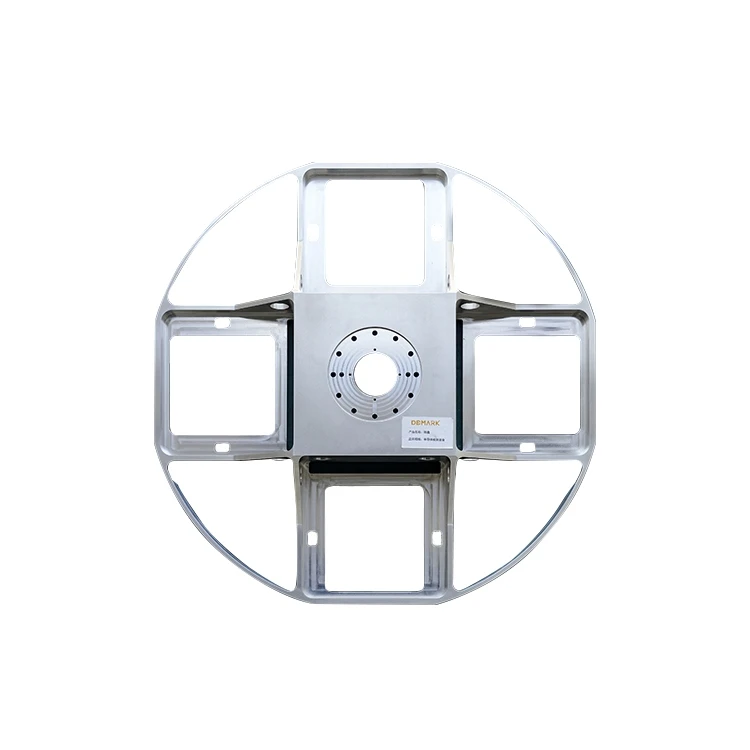
If you suspect a component failure, the first thing you need to do is identify the faulty component. This might require some troubleshooting. Check the user manual or contact the manufacturer for guidance.
Once you've identified the faulty component, you'll need to replace it. For example, if the Superconducting Inner Ring is malfunctioning, you'll need to get a new one. Make sure you use genuine parts to ensure the best performance and reliability.
5. Contamination Emergencies
Contamination can occur in a vacuum chamber if there are foreign particles or substances inside. This can affect the quality of the vacuum and the results of your experiments or processes.
If you suspect contamination, the first step is to clean the chamber. You can use a special cleaning solution and a soft cloth to wipe down the interior of the chamber. Make sure you remove all the visible dirt and debris.
Next, you might need to perform a bake-out. This involves heating the chamber to a high temperature to remove any remaining contaminants. However, be careful not to overheat the chamber, as this can cause damage.
It's also important to prevent contamination in the first place. Make sure you follow the proper cleaning and maintenance procedures, and avoid introducing any foreign objects into the chamber.
6. Pressure Emergencies
Sometimes, the pressure inside the vacuum chamber can go out of control. This can happen if there's a problem with the pressure control system or if there's a sudden change in the external environment.
If you notice that the pressure is too high or too low, the first thing you should do is check the pressure gauge. Make sure it's working properly and that the readings are accurate.
If the pressure is too high, you can try to release some of the pressure slowly. But be careful not to release it too quickly, as this can cause damage to the chamber. If the pressure is too low, you might need to check the vacuum pump to make sure it's working properly.
How to Prevent Emergencies
Of course, the best way to deal with emergencies is to prevent them from happening in the first place. Here are some tips to help you keep your vacuum chamber in good working condition:
- Regular Maintenance: Make sure you follow the manufacturer's recommended maintenance schedule. This includes cleaning the chamber, checking the components, and replacing any worn-out parts.
- Training: Make sure all the operators are properly trained on how to use the vacuum chamber. They should know how to operate the equipment safely and how to recognize the signs of an emergency.
- Quality Parts: Use high-quality parts and components in your vacuum chamber. This can help reduce the risk of component failure and other problems.
- Monitoring: Keep an eye on the performance of the vacuum chamber. Regularly check the vacuum level, temperature, pressure, and other parameters. If you notice any changes, investigate them immediately.
Contact Us for Your Vacuum Chamber Needs
If you're in the market for a vacuum chamber or need replacement parts like the Air Extraction Baffle, Superconducting Inner Ring, or Aluminum Alloy Parts Turntable, don't hesitate to reach out. We're here to provide you with top-quality products and excellent customer service. Whether you have questions about emergency handling or need help choosing the right parts for your vacuum chamber, we're just a message away. Let's start a conversation and see how we can meet your requirements.
References
- Vacuum Technology Handbook, various authors
- Manufacturer's manuals for vacuum chambers and related components


