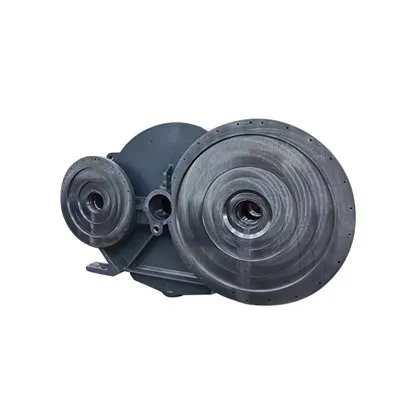
As a trusted supplier of Carbon Steel Bodies, I've witnessed firsthand the critical role that surface finish plays in the performance of these components. In this blog, I'll delve into the various aspects of how the surface finish of a carbon steel body affects its performance, drawing on both scientific knowledge and practical experience from the industry.
1. Corrosion Resistance
One of the most significant impacts of surface finish on a carbon steel body is its corrosion resistance. Carbon steel is prone to rusting when exposed to moisture and oxygen, which can significantly reduce its lifespan and structural integrity. A smooth and well - finished surface can act as a barrier against corrosive agents.
When the surface of a carbon steel body is rough, it provides more sites for corrosion to initiate. Tiny crevices and irregularities can trap moisture and contaminants, creating a favorable environment for rust formation. On the other hand, a polished or coated surface reduces the contact area between the steel and the corrosive medium. For example, a mirror - like finish on a Carbon Steel Body can prevent water from pooling on the surface, minimizing the risk of rust.
Coatings such as galvanization or painting are common ways to enhance the surface finish and corrosion resistance. Galvanized carbon steel bodies have a layer of zinc on the surface, which acts as a sacrificial anode. When the zinc corrodes, it protects the underlying steel from rusting. A well - applied paint coating can also create a physical barrier between the steel and the environment. However, the adhesion of these coatings is highly dependent on the surface finish. A rough surface may not provide good adhesion, leading to premature coating failure and subsequent corrosion.
2. Friction and Wear
The surface finish of a carbon steel body also has a profound effect on friction and wear. In applications where the carbon steel body comes into contact with other components, the friction coefficient can significantly impact the efficiency and performance of the system.
A smooth surface finish generally results in lower friction. For instance, in a Carbon Structural Steel Bottom Bracket, a polished surface reduces the frictional forces between the bearing and the bracket. This not only improves the rotational efficiency but also reduces the wear on both the bearing and the bracket. Lower friction means less energy is wasted in overcoming the resistance, leading to better overall performance and potentially lower operating costs.
On the contrary, a rough surface finish can increase friction and wear. The asperities on a rough surface can cause micro - abrasion and plowing when in contact with another surface. Over time, this can lead to material loss, dimensional changes, and ultimately, failure of the component. In high - load applications, such as heavy machinery, the wear caused by a poor surface finish can be particularly problematic, as it can lead to frequent component replacements and downtime.
3. Fatigue Resistance
Fatigue is a major concern in many carbon steel body applications, especially those subjected to cyclic loading. The surface finish can have a significant impact on the fatigue life of a carbon steel body.
Surface irregularities can act as stress concentration points. When a carbon steel body is under cyclic loading, these stress concentration points are more likely to initiate cracks. A smooth surface finish reduces the likelihood of stress concentration, thus improving the fatigue resistance. For example, in aerospace or automotive applications, where components are subjected to repeated loading, a high - quality surface finish on carbon steel bodies can extend their service life and enhance safety.


Shot peening is a surface treatment that can improve both the surface finish and fatigue resistance. By bombarding the surface with small shots, shot peening creates a compressive stress layer on the surface of the carbon steel body. This compressive stress counteracts the tensile stresses induced by cyclic loading, reducing the risk of crack initiation and propagation.
4. Aesthetic and Cleanability
In addition to the functional aspects, the surface finish of a carbon steel body also affects its aesthetic appeal and cleanability. In industries such as architecture and consumer products, the appearance of the carbon steel body is often an important factor.
A smooth and shiny surface finish gives a more professional and high - quality look. For example, the Y321RQ.15 - 6 Small Wall Panel with a polished surface finish can enhance the overall appearance of a building facade. It can also be more easily cleaned compared to a rough surface. A rough surface can trap dirt, dust, and other contaminants, making it difficult to maintain a clean appearance. In food processing or medical applications, where hygiene is crucial, a smooth surface finish on carbon steel bodies is essential to prevent the growth of bacteria and ensure compliance with safety standards.
5. Machinability and Assembly
The surface finish of a carbon steel body can also influence its machinability and ease of assembly. During the machining process, a smooth surface finish can reduce tool wear and improve the accuracy of the machining operation. For example, when drilling or milling a carbon steel body, a pre - finished smooth surface allows the cutting tools to operate more efficiently, resulting in better - quality machined parts.
In terms of assembly, a well - finished surface can ensure proper fit and alignment of components. If the surface finish of a carbon steel body is too rough, it may cause misalignment or interference during assembly, leading to problems such as increased stress, reduced performance, and potential failure of the assembled system.
Conclusion
In conclusion, the surface finish of a carbon steel body has a far - reaching impact on its performance in various aspects, including corrosion resistance, friction and wear, fatigue resistance, aesthetic appeal, cleanability, machinability, and assembly. As a supplier of Carbon Steel Body, we understand the importance of providing high - quality surface finishes to meet the diverse needs of our customers.
Whether you are in the automotive, aerospace, construction, or any other industry that requires carbon steel bodies, choosing the right surface finish is crucial for optimizing the performance and lifespan of your components. If you are interested in learning more about our carbon steel bodies and the available surface finish options, or if you have specific requirements for your projects, we invite you to contact us for a procurement discussion. We are committed to providing you with the best solutions and high - quality products.
References
- ASM Handbook Volume 5: Surface Engineering. ASM International.
- Tribology Handbook. Elsevier.
- Corrosion Engineering Handbook. McGraw - Hill.