

Can a Support Plate be Used Outdoors?
As a seasoned supplier of support plates, I often encounter a frequently asked question: Can a support plate be used outdoors? This query is not only relevant to those in the construction, manufacturing, and engineering sectors but also to DIY enthusiasts looking to expand their outdoor projects. In this blog, I will delve into the factors that determine whether a support plate can be used outdoors, exploring material properties, environmental considerations, and specific application scenarios.

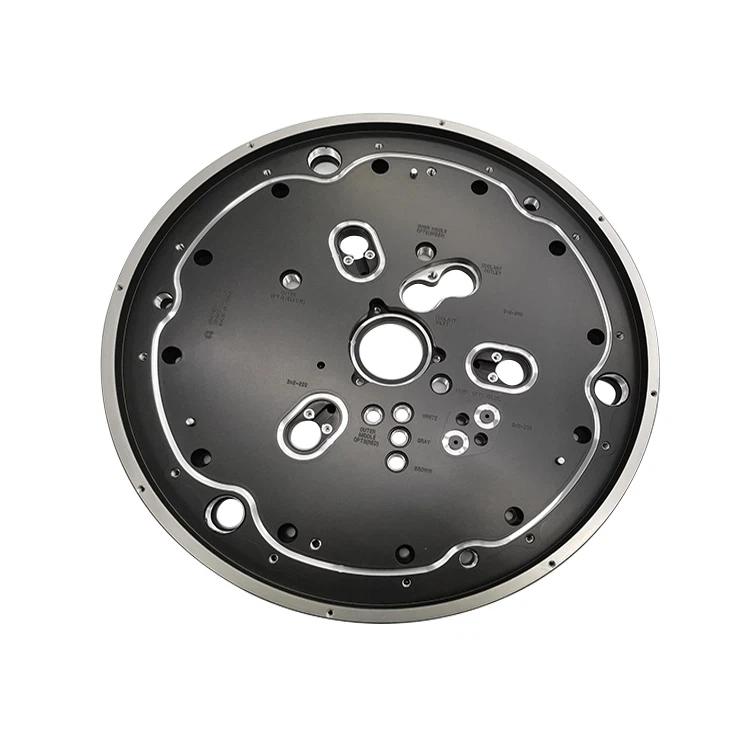
Material Matters
The first and most crucial factor to consider is the material of the support plate. Different materials have varying degrees of resistance to outdoor elements such as moisture, UV radiation, temperature fluctuations, and chemical exposure.
- Stainless Steel: Stainless steel is a popular choice for outdoor applications due to its excellent corrosion resistance. It contains chromium, which forms a passive oxide layer on the surface, protecting it from rust and oxidation. This makes stainless steel support plates suitable for use in marine environments, coastal areas, and regions with high humidity. However, not all stainless steels are created equal. For example, 304 stainless steel is commonly used for general outdoor applications, while 316 stainless steel, which contains molybdenum, offers even greater resistance to chloride corrosion and is ideal for harsh marine environments.
- Aluminum: Aluminum is another lightweight and corrosion-resistant material that is often used for outdoor support plates. It forms a natural oxide layer that protects it from rust. Aluminum support plates are also easy to machine and have good thermal conductivity. However, aluminum can be susceptible to galvanic corrosion when in contact with other metals, so proper insulation or the use of compatible metals is necessary. Additionally, some aluminum alloys may experience surface discoloration over time due to UV exposure.
- Plastic: Certain types of plastic, such as high-density polyethylene (HDPE) and polypropylene, can be used for outdoor support plates. These plastics are lightweight, resistant to moisture, and have good chemical resistance. They are also relatively inexpensive and easy to fabricate. However, plastics may not have the same strength and durability as metal support plates, and they can be affected by UV radiation, which can cause them to become brittle over time.
Environmental Considerations
The outdoor environment can be harsh and unpredictable, so it's important to consider the specific conditions where the support plate will be used.
- Moisture and Humidity: Moisture is one of the biggest enemies of outdoor support plates, as it can cause corrosion and rust. In areas with high humidity or frequent rainfall, it's essential to choose a material that is resistant to moisture. Additionally, proper drainage and ventilation should be ensured to prevent water from pooling around the support plate.
- UV Radiation: UV radiation from the sun can cause materials to degrade over time, leading to discoloration, cracking, and loss of strength. When using support plates outdoors, it's important to choose materials that are UV-stabilized or have a protective coating to prevent UV damage.
- Temperature Fluctuations: Extreme temperature changes can cause materials to expand and contract, which can lead to stress and damage. In regions with large temperature variations, it's important to choose a material that has good thermal stability and can withstand these fluctuations without losing its structural integrity.
- Chemical Exposure: Outdoor support plates may be exposed to various chemicals, such as fertilizers, pesticides, and road salts. These chemicals can cause corrosion and damage to the support plate, so it's important to choose a material that is resistant to chemical exposure.
Specific Application Scenarios
The suitability of a support plate for outdoor use also depends on the specific application scenario.
- Construction: In construction projects, support plates are often used to provide structural support for buildings, bridges, and other structures. In outdoor construction, stainless steel or aluminum support plates are commonly used due to their strength, durability, and corrosion resistance. For example, in a coastal construction project, 316 stainless steel support plates may be used to ensure long-term performance in the harsh marine environment.
- Manufacturing: In manufacturing, support plates are used to hold and support components during the manufacturing process. Outdoor manufacturing facilities may require support plates that can withstand the elements, such as dust, dirt, and moisture. Plastic support plates may be a suitable option for some manufacturing applications, as they are lightweight, easy to clean, and resistant to corrosion.
- DIY Projects: DIY enthusiasts often use support plates for outdoor projects such as building decks, pergolas, and garden structures. For these projects, a variety of materials can be used, depending on the specific requirements and budget. For example, aluminum support plates can be a good choice for a lightweight and corrosion-resistant deck support system, while wooden support plates may be more suitable for a rustic garden structure.
Product Recommendations
As a support plate supplier, I offer a range of products that are suitable for outdoor use. Here are some of our recommended products:
- Vacuum Chamber: Our vacuum chambers are made from high-quality aluminum alloy, which provides excellent corrosion resistance and durability. They are suitable for a variety of outdoor applications, such as vacuum packaging, degassing, and testing.
- Aluminum Alloy Parts Vacuum Suction Cup: Our aluminum alloy parts vacuum suction cups are designed for use in outdoor environments. They are made from a special aluminum alloy that is resistant to corrosion and wear, and they provide strong suction power for holding and moving objects.
- Adapter Base Plate: Our adapter base plates are made from stainless steel, which offers excellent corrosion resistance and strength. They are suitable for use in outdoor applications where a stable and reliable base is required, such as mounting equipment or supporting structures.
Conclusion
In conclusion, a support plate can be used outdoors, but it's important to choose the right material and consider the specific environmental conditions and application scenarios. Stainless steel, aluminum, and plastic are all viable options for outdoor support plates, each with its own advantages and disadvantages. By understanding the factors that affect the performance of support plates in outdoor environments, you can make an informed decision and choose the product that best meets your needs.
If you have any questions or need further information about our support plates or other products, please feel free to contact us. We are committed to providing high-quality products and excellent customer service, and we look forward to working with you on your next project.
References
- ASM Handbook Volume 13A: Corrosion: Fundamentals, Testing, and Protection
- Aluminum Association: Aluminum Design Manual
- ASTM International: Standards for Metals and Alloys


